Proteins: How Much You Really Need and Why It Matters
We often hear “Eat more protein!” — but how much is actually enough?
Proteins are not just for gym-goers. Every cell, muscle, and organ in our body depends on protein to stay healthy and strong.
Let’s understand how much protein you really need based on your age, gender, and weight — and why it’s so important!
Why Is Protein So Important?
Protein is like the building block of your body. Without it, your body can’t function properly.
Here’s why you must include enough protein every day:
- Builds muscles, bones, skin, and hair
- Repairs tissues after wear and tear
- Helps create important enzymes and hormones
- Supports your immune system
- Keeps you feeling full, active, and energetic
How Much Protein Do You Actually Need?
Your protein needs depend on your age, gender, and body weight.
Here’s a simple guide:
| Category | Protein Needed Per Day | Example |
| Children (4–13 years) | 0.95 grams per kg of body weight | A 30kg child needs about 28g |
| Teenagers (14–18 years) | 0.85 grams per kg | A 50kg teen needs about 43g |
| Adult Men (19–65 years) | 0.8 grams per kg | A 70kg man needs about 56g |
| Adult Women (19–65 years) | 0.8 grams per kg | A 60kg woman needs about 48g |
| Pregnant Women | 1.1 grams per kg | Extra protein needed to support the baby’s growth |
| Seniors (65+ years) | 1.0–1.2 grams per kg | To protect muscles and strength |
Quick Tip:
To calculate your protein need →
Multiply your weight (in kg) × Recommended grams from the table above.
(Example: 60kg woman × 0.8g = 48g protein needed daily.)
What Happens If You Don’t Get Enough Protein?
Not eating enough protein can affect your health in many ways:
- You may feel tired, weak, and low on energy
- You might lose muscle strength
- Your skin may become dry, hair can thin, and nails may break easily
- Your body may heal slower after injuries
- Your immune system can weaken, making you fall sick often
- Your mood may become low or irritable
Simple Ways to Add More Protein to Your Daily Diet
Adding protein doesn’t mean eating heavy meals.
Here are easy ways to boost your daily intake:
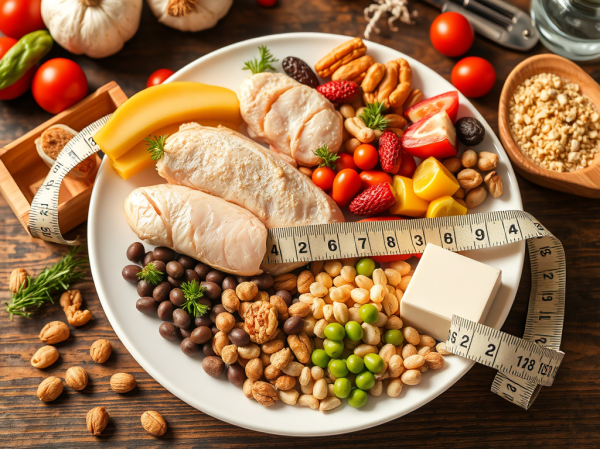
- Start your day with an egg or a bowl of curd
- Add paneer, tofu, sprouts, or lentils to your lunch and dinner
- Snack on nuts, seeds, or Greek yogurt
- Choose fish, chicken, or dals regularly
- Add chickpeas or beans to your salads
- Try protein-rich smoothies with milk, fruits, and a spoon of nut butter
Final Thought
Protein is not a luxury. It’s a daily need for everyone — children, adults, and seniors.
Give your body the strength it deserves, one meal at a time!
A healthy body begins with the right building blocks.
Start adding small but powerful protein-rich choices to your plate today!
Hi, I’m Sonita — the voice behind Healthy Living Hub. I share simple, science-backed tips to live a healthier, more balanced life — one mindful choice at a time.
“I believe real health comes from small, consistent habits — not perfection.”
 Healthy Living Hub