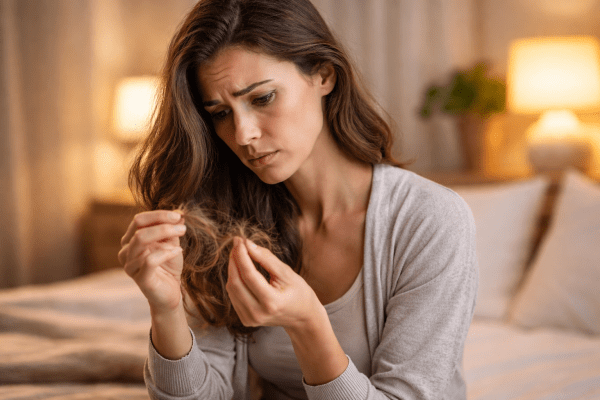
If you’ve recently noticed more hair on your pillow…
More strands in the shower drain…
Or your ponytail feeling thinner…
You’re not imagining it.
Hair thinning in women between 20 and 40 is becoming very common. And no — it’s not always your shampoo.
In fact, in many cases, your hair is simply reflecting what’s happening inside your body.
Let’s talk about the real reasons.
1️⃣ Low Iron (Even If Your Hemoglobin Is “Normal”)
This is one of the most common causes I see.
Many women are told their blood test is “normal.” But often, only hemoglobin is checked. What really matters for hair health is ferritin — your iron storage level.
Low ferritin can lead to:
- Hair shedding
- Fatigue
- Feeling cold easily
- Weakness
If you have heavy periods, vegetarian eating habits, or constant tiredness, this is worth looking into.
2️⃣ Vitamin B12 Deficiency
B12 plays a major role in red blood cell formation and oxygen delivery. When it’s low, your hair follicles don’t get enough nourishment.
Signs of low B12 can include:
- Hair thinning
- Tingling in hands or feet
- Brain fog
- Low energy
Vegetarians and people with digestive issues are more prone to this.
3️⃣ Low Protein Intake
Hair is made of a protein called keratin.
If your daily meals are mostly:
- Rice
- Roti
- Tea
- Biscuits
- Minimal dal, eggs, paneer, or pulses
Your body may not be getting enough building blocks for healthy hair.
When protein intake is low, the body prioritizes survival over hair growth. Hair becomes “non-essential.”
And thinning starts slowly.
4️⃣ Thyroid Imbalance
Both hypothyroidism and hyperthyroidism can affect hair density.
Other signs to watch for:
- Unexplained weight changes
- Irregular periods
- Constant fatigue
- Dry skin
Hair thinning combined with fatigue should never be ignored.
5️⃣ Chronic Stress (High Cortisol)
We underestimate this one.
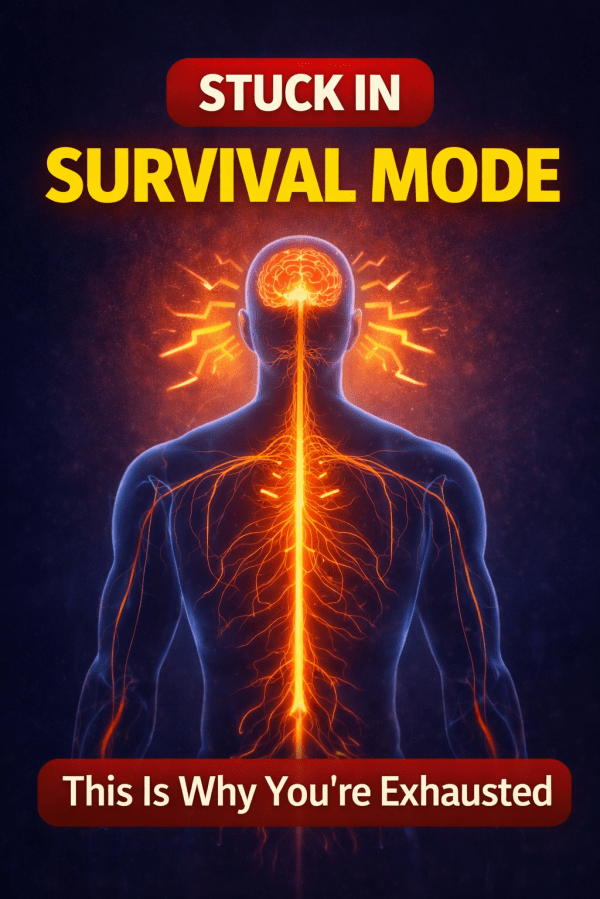
When stress stays high for weeks or months, the body shifts into survival mode. Hair growth cycles get disrupted.
This can lead to:
- Diffuse thinning
- Increased shedding
- Slower regrowth
Sometimes the trigger was emotional stress 2–3 months earlier.
6️⃣ Poor Sleep
Sleep is when repair happens.
If you are:
- Sleeping late
- Using screens at midnight
- Waking up tired despite 7–8 hours
Your recovery cycle may not be optimal — and hair health can suffer.
7️⃣ Crash Dieting or Sudden Weight Loss
Extreme dieting shocks the body.
When calorie intake drops too low, the body conserves energy by reducing “non-essential” functions — including hair growth.
Hair thinning often appears 2–3 months after a strict diet.
When Should You Get Tested?
If hair thinning is:
- Persistent (more than 3 months)
- Combined with fatigue
- Accompanied by irregular periods
- Happening alongside mood changes
It’s reasonable to discuss these tests with your doctor:
- CBC
- Ferritin
- Vitamin B12
- TSH (thyroid)
No panic. Just awareness.
What You Can Start Doing Today
You don’t need expensive serums first.
Start internally.
✔ Ensure adequate protein daily
✔ Include iron-rich foods (lentils, spinach, seeds, eggs if you eat them)
✔ Manage stress intentionally
✔ Improve sleep timing
✔ Avoid extreme dieting
Small consistent habits matter more than sudden fixes.
Final Thought
Hair thinning is not always cosmetic.
Sometimes it’s your body gently saying,
“Something needs attention.”
Listen early.
The good news?
When the root cause is addressed, improvement is possible.
Be patient. Be consistent. And don’t blame yourself.
Your body is not against you.
It’s communicating with you.






 Healthy Living Hub