Foods to Avoid on an Empty Stomach

What you eat on an empty stomach can either support your digestion… or irritate it.

Many people think all “healthy” foods are safe first thing in the morning, but some foods can actually cause acidity, bloating, or discomfort when eaten on an empty stomach.

Here are three foods you should avoid first thing in the morning, and why they may not be the best choice before breakfast.

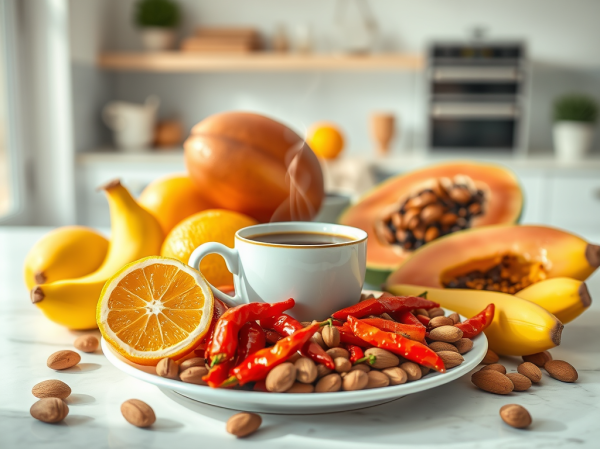
1. Citrus Fruits (Oranges, Lemons, Sweet Lime)

Citrus fruits are packed with vitamin C and antioxidants — they’re great, but not when your stomach is empty.

Why avoid them early morning?

  • They contain strong natural acids
  • These acids can irritate your stomach lining
  • May trigger heartburn or a burning sensation
  • Can worsen acidity if you’re already prone to it

Better alternative:

Start with banana, papaya, or soaked almonds — these are gentle and soothing.

2. Coffee First Thing in the Morning

For many people, coffee is the first thing they reach for.

But drinking coffee on an empty stomach can do more harm than you think.

Why it’s not ideal:

  • Coffee increases stomach acid
  • Can cause acidity or burning
  • May lead to anxiety or shakiness
  • Can irritate the gut if taken before any food

Better routine:

Have a small snack or breakfast before your coffee — even a handful of nuts helps.

3. Spicy Foods

Starting your day with spicy food forces your stomach to work harder when it should be easing into digestion.

Why avoid it in the morning:

  • Can irritate the stomach lining
  • May cause bloating
  • Increases chances of acidity
  • Not ideal before your digestive system “wakes up”

Better alternative:

Choose warm water, fruit, oats, or light breakfast foods to gently activate digestion.

✔️ 

A Simple Rule for a Happier Stomach

Your stomach is most sensitive in the morning.

So choose foods that are:

✔ Easy to digest

✔ Gentle

✔ Low in acidity

✔ Not too spicy or caffeinated

Starting your day with the right foods can keep your digestion smooth and your energy steady.

❤️ 

Final Thoughts

Small changes in your morning eating habits can make a big difference to your gut health.

Listen to your body, keep your mornings gentle, and your stomach will thank you!
https://youtube.com/shorts/tjKaNAOdhsQ?si=X-hnz9S3r6ZJY4hi

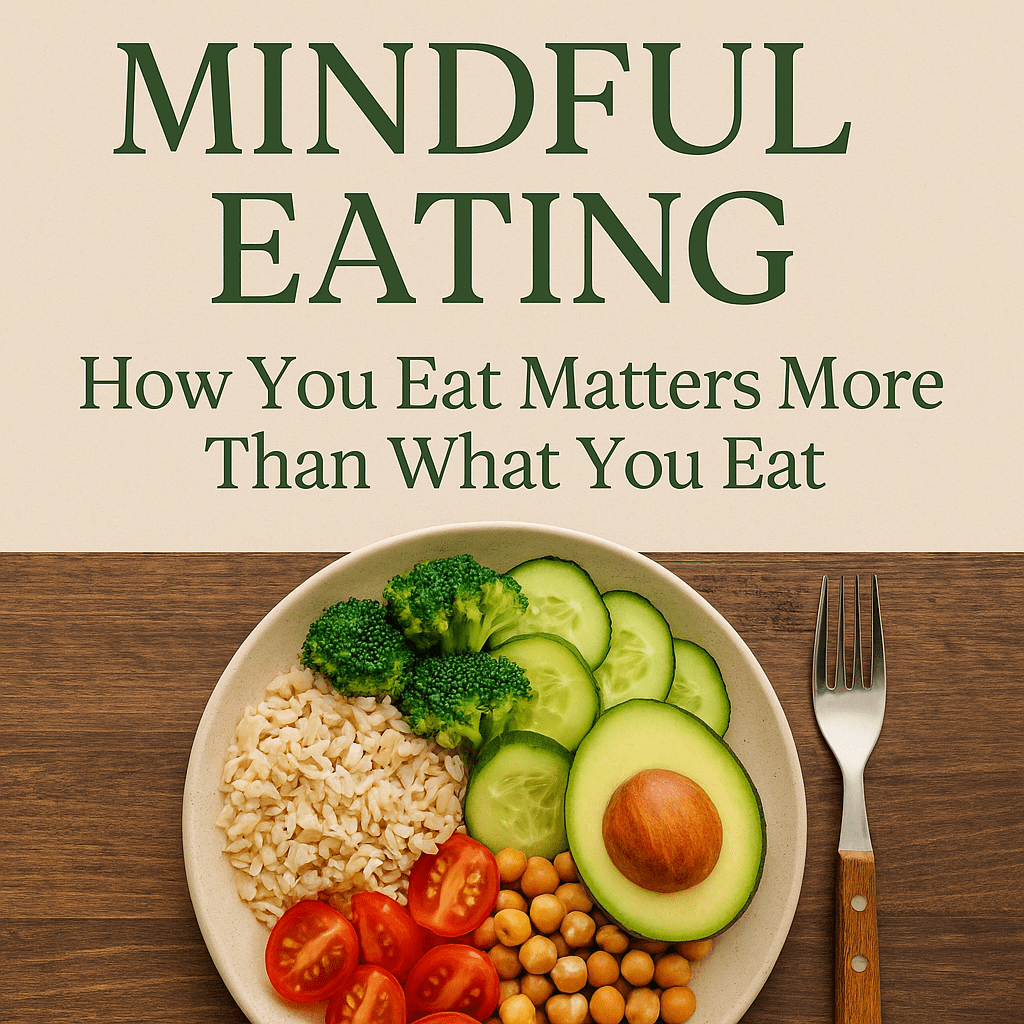
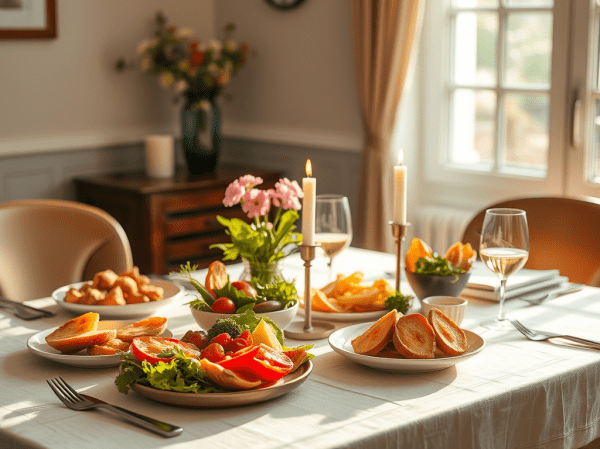
Transform Your Meals with Mindful Eating

by Sonita | Healthy Living Hub

Have you ever finished a meal and realised…

you don’t even remember how it tasted?

Maybe you were scrolling through your phone, replying to messages, or watching TV.

Before you knew it, your plate was empty — but your mind was still hungry.

I used to eat like that almost every day.

Lunch with emails waiting. Dinner with the television playing in the background.

I thought I was saving time, but what I was really doing was losing something precious —

my connection with food, and with myself. 🌸

💧 The Moment of Realisation

One day, I noticed something odd.

My stomach was full, but I still felt tired… uneasy… unsatisfied.

It wasn’t the food — it was how I was eating.

That simple awareness became the start of a quiet transformation.

I discovered mindful eating — and it changed how I looked at every meal.

🌿 What Is Mindful Eating?

Mindful eating isn’t a diet.

It has nothing to do with calorie counts or restrictions.

It’s about being present — using all your senses to truly experience your food.

It means slowing down enough to notice:

  • the colors and textures on your plate,
  • the aroma that greets you,
  • the taste that changes with every bite,
  • and the gentle signals your body sends when it’s satisfied.

When we eat mindfully, something beautiful happens —

our body begins to listen again.

☀️ The Science Behind It

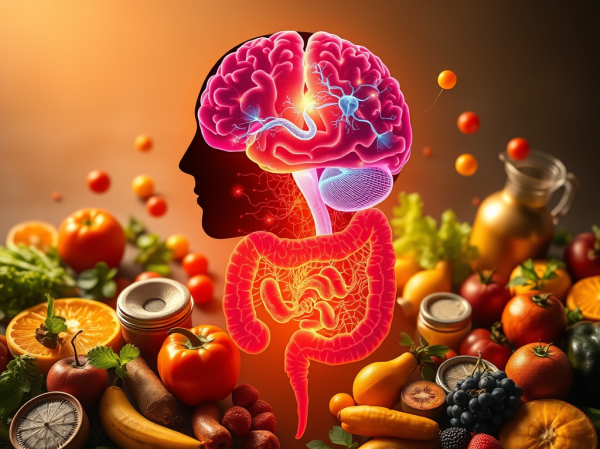
Our brain and gut are constantly communicating, through a network of nerves and hormones.

When we eat in a hurry or while stressed, digestion slows down.

Our body produces fewer enzymes, which can lead to bloating, tiredness, or even cravings right after a meal.

But when we eat slowly and calmly,

our nervous system shifts into a relaxed state —

our gut digests better, and our mind feels clearer. 🌿

Science and mindfulness say the same thing:

Your body understands food best when you eat with awareness.

🌸 How I Started

I began small.

I started by keeping my phone away during meals.

No screens. No notifications. Just quiet time with my food.

At first, it felt strange — almost too quiet.

But soon, I began to enjoy that silence.

I could taste my food again.

I knew when I was full.

And for the first time in a long while, eating felt peaceful.

Gradually, eating became less of a routine and more of a moment of gratitude.

💫 5 Simple Habits for Mindful Eating

🌿 1. Sit while eating.

It tells your body it’s time to rest and receive.

🌿 2. Take smaller bites and chew slowly.

Your brain needs time to register satisfaction.

🌿 3. Put down your spoon or fork between bites.

It helps you slow your rhythm naturally.

🌿 4. Avoid screens and distractions.

Let your meal have your full attention — even for just ten quiet minutes.

🌿 5. Begin with gratitude.

Thank your food, the hands that prepared it, and your body that receives it.

🌿 Why It Matters

Mindful eating is not about perfection — it’s about presence.

Even one mindful meal a day can reset how your body digests,

how your mind feels, and how your day flows.

Eating isn’t just about filling hunger.

It’s about connection — with your food, your emotions, and your inner calm.

So next time you sit down to eat…

pause for a moment.

Take a breath.

Taste your food.

Because every mindful bite is a step toward better health — and a calmer you. 🌸

💧 Read, Watch, and Practice

You can also watch my YouTube video on this topic:

🎥 Mindful Eating – How You Eat Matters More Than What You Eat

👉 Healthy Living Hub by Sonita on YouTube

For more such mindful health stories, visit my blog homepage:

🌿 https://healthylivinghub923.blog

Stay mindful. Stay nourished. 💕

— Sonita, Healthy Living Hub

The Gut-Brain Connection: How Your Mood is Influenced by Your Gut

Have you ever noticed how your stomach reacts when you’re stressed, anxious, or even excited? A flutter before a big presentation, that tight knot when you’re nervous, or even butterflies when you’re happy — they’re not just in your head. They’re in your gut too.

We often think of our brain as the command center for all emotions, but surprisingly, our gut has a lot to say in that conversation. In fact, scientists now call the gut our “second brain.” And trust me, it’s not just a fancy term — it’s real science.

The Brain–Gut Connection: More Powerful Than You Think

Our gut and brain constantly talk to each other through something called the gut-brain axis. It’s like a private communication line between the two — carried through nerves, hormones, and millions of tiny messengers.

So when your gut is happy, calm, and balanced, your mind often feels the same. But when your gut bacteria are out of balance (what doctors call gut dysbiosis), it can trigger anxiety, brain fog, irritability, or even mild depression.

Meet Your Mood Managers: The Gut Microbes

Here’s the amazing part: around 90% of the body’s serotonin — the “happy hormone” that boosts mood and relaxation — is actually produced in the gut!

Yes, you read that right. Not in your brain — but in your gut.

That means if your gut is inflamed, sluggish, or filled with the wrong kind of bacteria, it can directly affect how happy or calm you feel.

Think of your gut bacteria as little mood managers — they help produce and regulate neurotransmitters like serotonin, dopamine, and GABA, which influence sleep, motivation, and stress response.

How Food Affects Your Feelings

What you eat directly shapes your gut microbiome, and that, in turn, shapes your emotions. It’s that simple and that deep.

When you eat:

  • Fermented foods (like homemade curd, idli, dhokla, or kanji) → you feed good bacteria that support calmness and focus.
  • Fiber-rich foods (like vegetables, fruits, oats, and lentils) → you provide fuel for those bacteria to thrive.
  • Processed or sugary foods → you feed the “bad guys,” leading to more inflammation and unstable moods.

I often tell myself — if my mood swings are getting worse or I’m feeling off for no reason, maybe it’s not “just in my head.” Maybe it’s in my gut.

Listen to Your Gut (Literally!)

Next time your stomach feels bloated, uneasy, or heavy after eating, don’t just brush it off. It’s your gut trying to talk to you.

Try to notice:

  • How you feel after certain meals.
  • Whether you’re eating slowly or rushing through.
  • If your sleep or stress is affecting your digestion.

Because your gut is more emotional than you think — it remembers, reacts, and responds to how you live every single day.

Small Steps to Heal Both Gut and Mood

  1. Start your morning with warm water and a calm mind. It wakes up digestion gently.
  2. Add one fermented food daily. A small bowl of curd, a glass of buttermilk, or homemade pickle counts.
  3. Cut down on ultra-processed food. They kill your good bacteria silently.
  4. Chew slowly. Your brain gets time to register that you’re eating — digestion actually begins in the mouth!
  5. Sleep well. Your gut microbes repair themselves at night.

Final Thoughts

We often separate mental health and physical health as if they belong to different worlds. But the truth is — they live in the same house. One affects the other.

So next time you feel low or anxious, don’t just reach for coffee or your phone for distraction. Maybe sit back, take a deep breath, and ask — “Is my gut okay today?”

Because when your gut feels good, your mind often follows.

A Little Note From Me

I started paying attention to my gut health recently — eating slowly, adding curd to my meals, and cutting down on packaged food. And honestly, I could feel the difference. My energy became steadier, my mood lighter. It felt like my body and mind finally started speaking the same language.

Sometimes, small mindful changes do more than any medicine or motivational quote ever can.

You can also watch here👇

https://youtube.com/shorts/ulEbOFwzTLU?si=WeSmK1uMjpnohqx4

Hi, I’m Sonita — the voice behind Healthy Living Hub. I share simple, science-backed tips to live a healthier, more balanced life — one mindful choice at a time. 

The Salt Debate: Essential Nutrient or Health Risk?

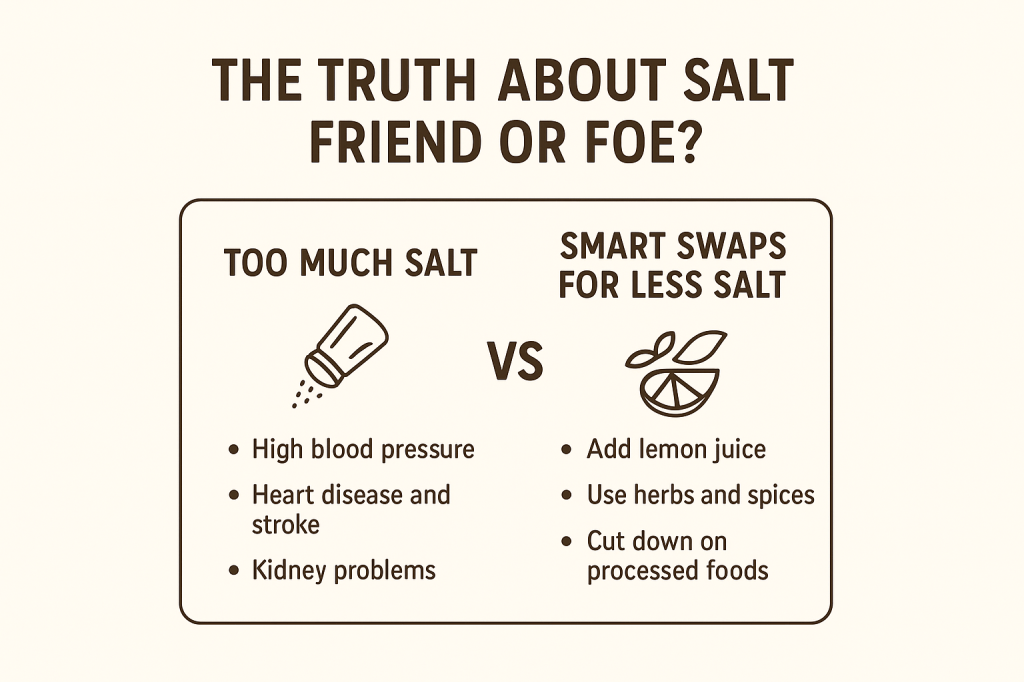
The Truth About Salt: Friend or Foe?

Salt is one of the most common ingredients in our kitchen. A pinch can make food delicious, while a little extra can ruin the whole dish. But beyond taste, salt has always carried a mixed reputation — some say it’s harmful, others claim certain types are “healthier.” So, what’s the real story?

Why Do We Need Salt at All?

Salt isn’t just about flavor. Our body actually needs sodium (the main mineral in salt) for:

  • Maintaining fluid balance
  • Proper nerve and muscle function
  • Regulating blood pressure

Without sodium, our body simply cannot function well. The problem starts when we eat too much of it.

How Much Salt Is Too Much?

Most health guidelines suggest about one teaspoon (5 grams) of salt per day. But the reality? Many of us consume almost double that amount, often without realizing it.

  • Processed foods, snacks, pickles, sauces, breads — all silently pack in extra salt.
  • Even if you don’t add “extra” salt at the table, you might already be crossing your daily limit.

The Risks of Excess Salt

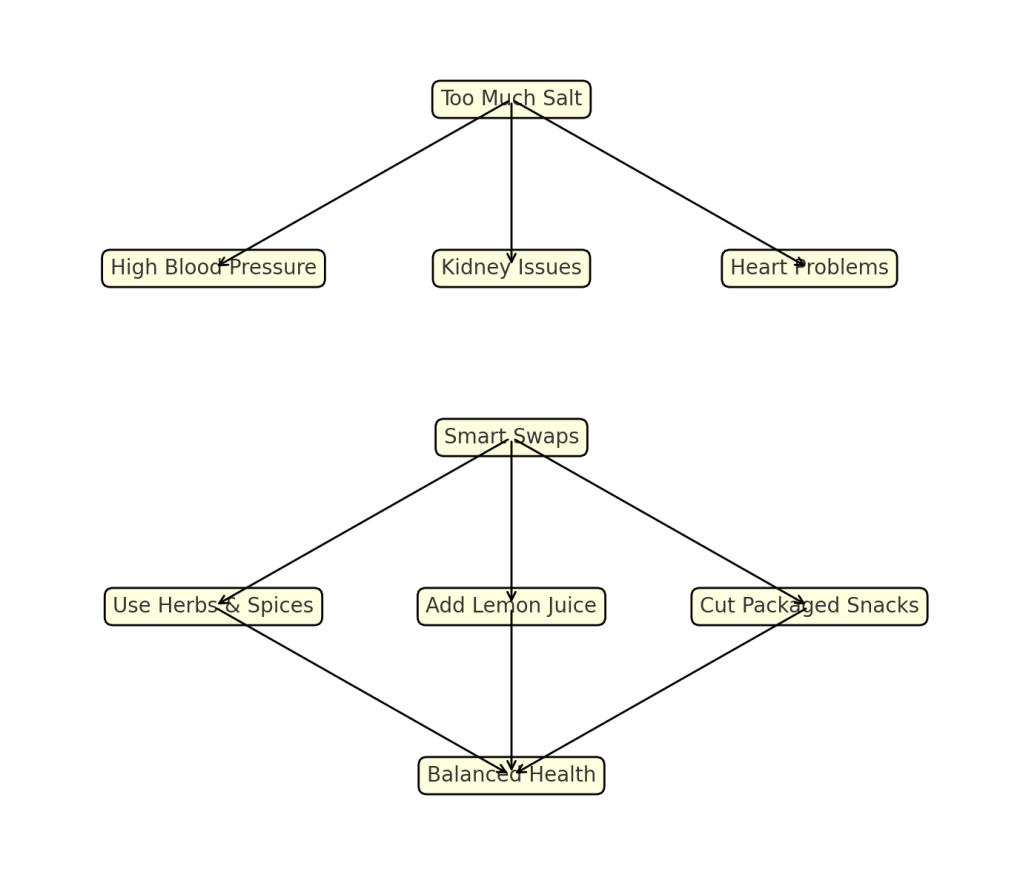
Eating too much salt for a long time can lead to:

  • High blood pressure (the biggest risk factor)
  • Heart disease and stroke
  • Kidney problems
  • Water retention and bloating

Are All Salts the Same?

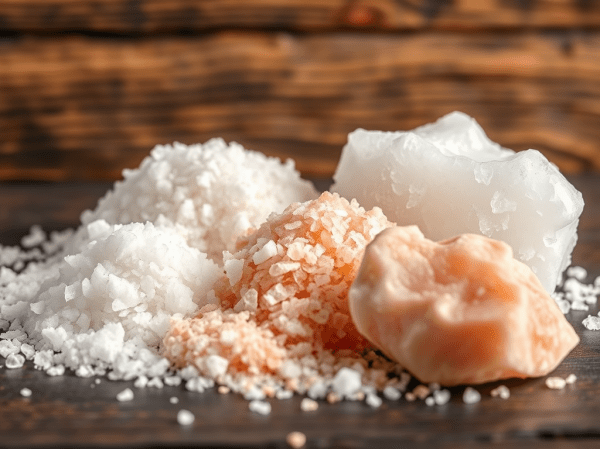
  • Table Salt: The common white salt, usually fortified with iodine (important to prevent goiter).
  • Rock Salt (Sendha Namak): Less processed, often used during fasting, but nutritionally similar.
  • Himalayan Pink Salt: Trendy and pretty, contains trace minerals, but you’d have to eat a huge amount to get real benefit — and that’s not practical.
    👉 The truth is: no matter the type, salt is salt. The key is moderation.

Smart Tips to Reduce Salt Without Losing Taste

  • Add lemon juice, herbs, or spices to enhance flavor naturally.
  • Taste your food before sprinkling extra salt.
  • Cut down on packaged snacks and instant foods.
  • Train your taste buds — when you slowly reduce salt, your body adjusts.

Final Thought

Salt isn’t your enemy. It’s about balance. Your body needs it, but only in the right amount. Remember, it’s not about choosing pink or white salt — it’s about choosing less.

So next time you reach for that extra pinch, pause and think: Do I really need it, or is it just a habit?

Hi, I’m Sonita — the voice behind Healthy Living Hub. I share simple, science-backed tips to live a healthier, more balanced life — one mindful choice at a time. 

The Power of Water: Boost Health Naturally

If I ask you, “What’s the easiest, cheapest, and most natural way to feel healthier?”—would you believe the answer is a glass of water?

We all talk about diets, workouts, supplements, and miracle drinks. But the truth is, the real miracle has always been right in front of us—plain, simple water.

💧 Why Water is Your Body’s Best Friend

Our body is about 60–70% water. Every single cell, tissue, and organ needs it. Still, most of us forget to drink enough and then wonder why we feel tired, bloated, or crave unnecessary snacks.

Here’s what water really does:

Boosts energy – Dehydration is one of the fastest ways to feel drained. A glass of water can wake you up more naturally than coffee.

Aids weight loss – Many times, what we think is “hunger” is just thirst. Drinking water before meals helps prevent overeating. It also supports digestion and metabolism.

Improves skin – Forget expensive creams—hydrated skin looks fresher, plumper, and younger.

Keeps your brain sharp – Even mild dehydration can affect focus, memory, and mood.

Detox naturally – Your kidneys rely on water to flush out toxins efficiently.

🚱 What Happens When You Don’t Drink Enough

Skipping on water might not feel like a big deal at first, but here’s what really happens:

• Constant tiredness or fatigue

• Headaches and dizziness

• Dry skin and chapped lips

• Constipation and bloating

• Strong sugar or junk food cravings

• In severe cases, kidney issues and urinary infections

Your body gives you signals—dry mouth, dark urine, irritability. Sadly, we often ignore them.

💡 How Much Water Do You Really Need?

The classic advice is 8 glasses a day. But in reality, it depends on your body, activity level, and climate. A good thumb rule is:

2–3 liters daily for adults (more if you sweat a lot or live in hot weather)

• Keep sipping throughout the day instead of gulping all at once

• Check your urine color—it should be pale yellow, not dark

🌟 Quick Tips to Make Drinking Water a Habit

• Start your morning with a big glass of water—it sets the tone for the day.

• Carry a reusable bottle wherever you go.

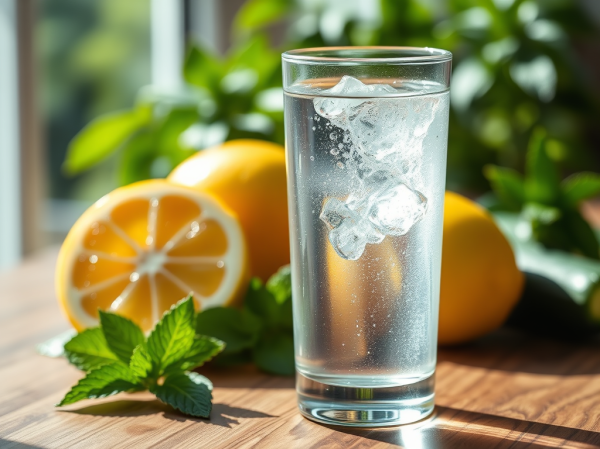
• Flavor it with lemon, cucumber, or mint if plain water feels boring.

• Set gentle reminders on your phone or tie it with your routine (e.g., drink a glass every time you check emails).

🥤 Final Thought

Water is not just about quenching thirst—it’s the foundation of good health. If you’re trying to lose weight, boost your energy, or simply feel better, start with this simplest habit: drink enough water.

Sometimes, the answers we’re looking for are not complicated—they’re as clear as water. 

Hi, I’m Sonita — the voice behind Healthy Living Hub. I share simple, science-backed tips to live a healthier, more balanced life — one mindful choice at a time. 

Smart Fat Choices for a Balanced Diet

How Much Fat Do We Really Need? Busting Myths, Oil-Free Diets & Smart Fat Choices

After writing about fats on my blog earlier, many of you asked:

“But how much fat is enough?”

“Is oil-free cooking better?”

“How can I eat good fat without overdoing it?”

Trust me — I’ve had the same questions. For years, I thought using less oil meant I was doing something good for my body. But over time, I realized: it’s not that simple.

So in this post, I’m sharing what I’ve learned — from nutrition research, conversations with doctors, and most importantly, from my own experience.

🧠 How Much Fat Do We Actually Need?

We all need fat. Yes, need — not just want!

According to experts, 20–35% of our daily calories should come from fat. For someone eating 2,000 calories a day, that’s roughly 45–75 grams of fat.

Here’s what that looks like in real life:

  • 1 tbsp of oil/ghee → 13–15g fat
  • A handful of almonds or peanuts → 14g fat
  • 2 tbsp peanut butter → 16g fat
  • 1 egg → 5g fat
  • 1 tbsp ground flaxseeds → 4g fat

So if your meals include a bit of oil or ghee, a few nuts, a boiled egg, or even some fish — you’re already covering your needs without even trying.

❌ The Truth About Oil-Free Diets

I’ve seen a lot of buzz around “oil-free cooking” — and I’ve even tried it myself. While it might help some people cut down on calories or manage cholesterol, completely eliminating oil is not necessary for everyone — and in many cases, not even ideal.

When we remove all fat from our food, here’s what can happen:

  • Dry, dull skin
  • Constant tiredness or “brain fog”
  • Mood swings
  • Poor absorption of vitamins like A, D, E & K
  • Irregular periods or hormonal issues

Instead of going oil-free, I now cook with measured, good-quality fats — and I’ve noticed better energy, glowing skin, and a fuller tummy after meals. No guilt!

✅ My Simple Ways to Add Healthy Fat (Without Overdoing Oil)

I don’t fry much anymore — but I do add fat smartly. Here are some easy ways I include good fats in my meals every single day:

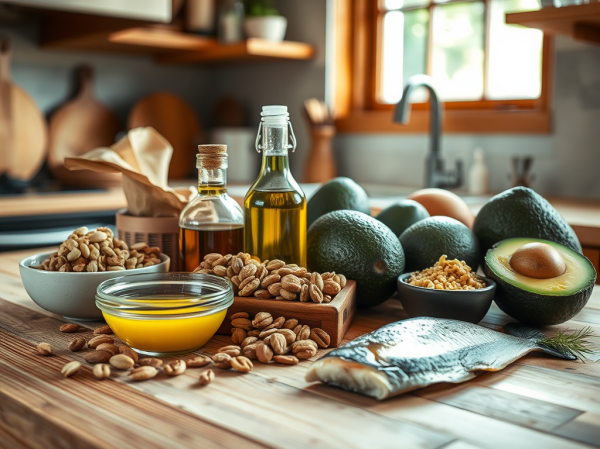
🍳 Start your day with nuts/seeds

→ Soaked almonds, walnuts, chia, or ground flaxseeds in smoothies or curd

🥗 Use 1 tsp of oil for tadka or sautéing

→ Mustard oil or cold-pressed sesame oil is my go-to

🍚 Add a little homemade ghee to rice or roti

→ It makes food delicious and satisfying

🐟 Include fatty fish when possible

→ I love fish cooked in mustard oil — rich in omega-3 and super Bengali!

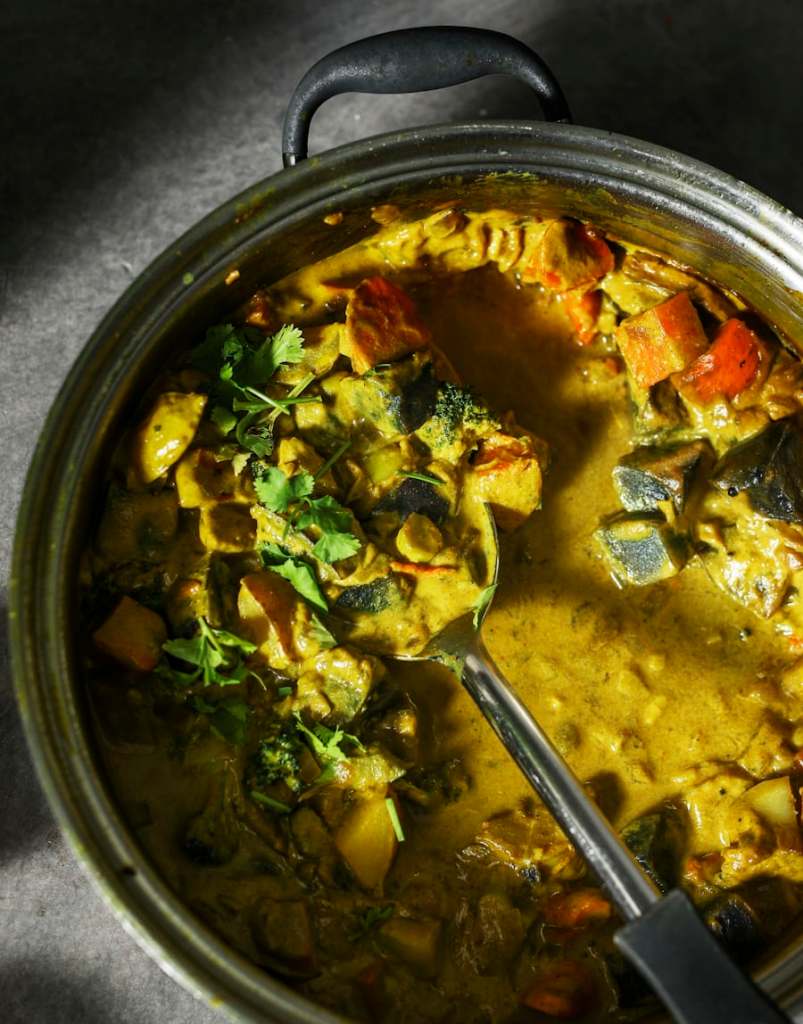
🥥 Use coconut in curries or chutneys

→ Especially good if you cook South Indian-style

🥛 Don’t fear full-fat dairy

→ A little curd, milk, or paneer adds both taste and nourishment

❤️ My Takeaway: Don’t Fear Fat. Understand It.

I’ve made peace with fat. I don’t pour oil like there’s no tomorrow, but I also don’t feel guilty for adding ghee to my dal.

I listen to my body, eat real food, and include good fat every single day — and it has made a difference.

If you’ve been avoiding oil thinking it’s the “healthy” choice, maybe it’s time to ask — is it making you feel better? Or just more restricted?

Balance is the real goal. Not fear. Not extremes. Just nourishment. 🌿

Hi, I’m Sonita — the voice behind Healthy Living Hub. I share simple, science-backed tips to live a healthier, more balanced life — one mindful choice at a time. 

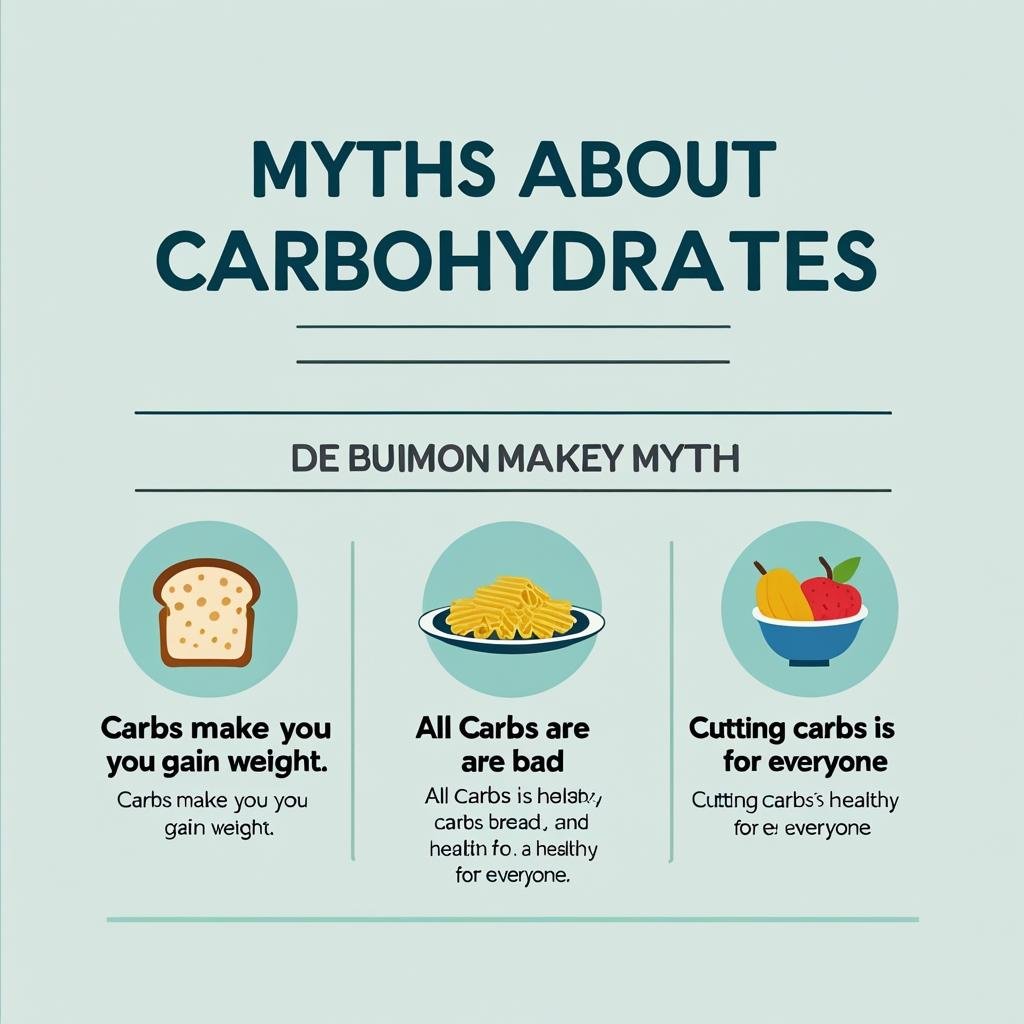
Are Carbs Really Bad? Myths vs. Facts Explained

Carbs get blamed for everything — from weight gain to energy crashes. But are they really the villain in your diet story?

Truth Bomb!

No way! Overeating anything — whether carbs, protein, or fat — can lead to weight gain. The key is balance.

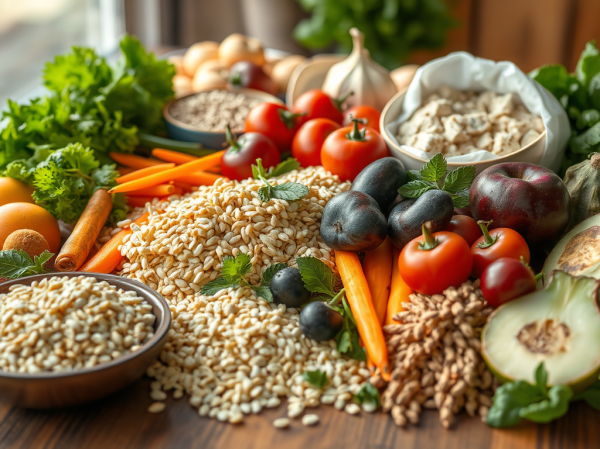
Smart carbs like whole grains, vegetables, and legumes are rich in fiber, helping us feel full longer and curb overeating.

Truth Bomb!

Big misconception! All carbs are not created equal.

NO TO – Candy, sodas, and white bread, which are refined carbs with little nutrition.

Fruits, quinoa, oats, brown rice are all complex carbs packed with fiber, vitamins, and minerals.

Truth Bomb!

Cutting carbs means cutting our body’s main energy source!

Our brain runs on glucose (a carb), and without enough, we can feel foggy, moody, and tired.

Balanced carbs are fuel for workouts, boost mood, and even aid in hormone regulation.

Truth Bomb!

Our body doesn’t wear a watch!

Weight gain depends on how much we eat overall, not when.

Truth Bomb!

Only refined carbs and added sugars cause quick blood sugar spikes and crashes.

Complex carbs are digested slowly, giving us steady, lasting energy.

The fiber in whole foods like beans, lentils, and veggies keeps blood sugar stable and hunger at bay.

Cool Fact: A high-fiber breakfast with healthy carbs has been linked to better focus and memory during the day.

BOTTOM LINE:

Don’t fear carbs — master them! Choose whole, fiber-rich carbs, keep your portions in check, and watch how our energy, mood, and health improve.

Our body loves carbs — especially the smart kind. And yes, our taste buds will thank you too!

Hi, I’m Sonita — the voice behind Healthy Living Hub. I share simple, science-backed tips to live a healthier, more balanced life — one mindful choice at a time. 
“I believe real health comes from small, consistent habits — not perfection.”

Unlocking the Power of Protein: Myths and Facts

Protein Power: Your Body’s Unsung Hero (And How to Get It Right!)

Ever wonder why everyone is suddenly obsessed with protein? It’s not just for gym freaks and bodybuilders! Protein is our body’s silent superhero — fixing, fueling, and protecting you 24/7. From glowing skin to strong muscles, it’s working behind the scenes in ways you’ve probably never imagined.

In this post, I shall break down the real magic of protein — why we need it, what happens when we don’t get enough (or too much), and why half the stuff you’ve heard about it might be… well, just myths.

What Does Protein Actually Do for You?

Think of protein as your body’s master builder and fixer-upper. It’s not just about muscles — protein does a lot more than you think:

Builds and Repairs

From muscles to skin, hair to nails — protein is the construction crew that keeps our body in top shape.

Creates Enzymes & Hormones

These tiny messengers control digestion, mood, sleep, and even how fast you grow.

Strengthens Your Immune Army

Protein makes antibodies — the little soldiers that fight off germs and keep you healthy.

Transports Nutrients

Some proteins act like taxis, carrying oxygen, vitamins, and minerals to where they’re needed.

Provides Backup Energy

When carbs and fats run low, protein steps in to give you fuel.

Keeps You Feeling Full

Protein fills you up and keeps cravings at bay — hello, smarter snacking!

Even a mild protein deficiency can mess with your body in sneaky ways:

Muscle Loss & Weakness

Hair Thinning, Weak Nails

Frequent Illness

Swelling (Edema)

Slow Wound Healing

Constant Cravings

Feeling tired, getting sick a lot, or always hungry? Your body might be quietly begging for more protein.

Can You Get Too Much Protein?

Yup! While protein is great, more isn’t always better. Going overboard can lead to:

Kidney Strain (especially if you already have kidney issues)

Dehydration

Digestive Troubles (like constipation)

Nutrient Imbalance (less room for fruits, veggies, grains)

Weight Gain (yep, extra protein = extra calories)

Balance is key! Most adults need around 0.8 grams of protein per kg of body weight. That’s about 56g per day if you weigh 70 kg.

Protein Myths Busted!

Let’s clear the air. You’ve probably heard these before — but are they true?

Myth 1: You need tons of protein to build muscle.

Truth: You need enough protein and regular strength training — not heaps of it.

Myth 2: Plant protein isn’t complete.

Truth: It’s totally complete when you eat a mix of plant-based foods over the day.

Myth 3: High protein = weak bones.

Truth: The latest science says adequate protein actually strengthens bones, not weakens them.

Myth 4: Protein shakes are a must.

Truth: Handy, yes. Necessary? Nope. Whole foods work just fine.

Myth 5: All protein is equal.

Truth: Lean meats, beans, nuts > fried chicken nuggets and processed meats. Quality matters!

So, Where Should You Get Your Protein?

Mix it up with both animal and plant-based sources:

Animal Proteins

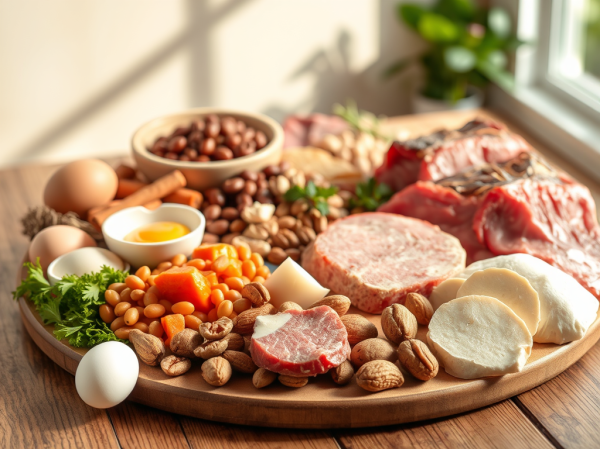
Chicken breast, eggs, fish, Greek yogurt, lean beef, milk, cottage cheese.

Plant Proteins

Lentils, chickpeas, tofu, tempeh, quinoa, nuts, seeds, edamame, nutritional yeast.

The Bottom Line: Make Protein Your Daily Partner

Protein is not just a trend — it’s a life essential. Include a bit in every meal and snack to feel stronger, stay full longer, and power your body right. It’s one of the smartest health choices you can make.

Liked this post? 💚

Share it with someone who thinks protein is “just for gym bros.”

And don’t forget to follow my blog HealthyLivingHub923.blog for more fun, no-nonsense health tips that actually make sense.

Hi, I’m Sonita — the voice behind Healthy Living Hub. I share simple, science-backed tips to live a healthier, more balanced life — one mindful choice at a time. 
“I believe real health comes from small, consistent habits — not perfection.”

Unlock Energy in Just 5 Minutes: No Coffee Required!

Tired? Drained? This 5-Minute Trick Changed Everything (Not Coffee!)

Let’s face it: Energy slumps are the worst. That afternoon crash? It’s a daily battle. You reach for more coffee, sugary snacks—anything to get through. Sound familiar? I was stuck in that loop too. But then I found something insanely simple that gave me my energy back. And no, it’s NOT another cup of coffee.

The Secret: “Micro-Movement Stacking”

It’s not a workout. It’s not complicated. It’s about adding tiny bursts of movement into your day to reignite your natural energy.

The Problem:

The Solution

The Time Commitment:

Just 5 minutes total, spread throughout your day.

How to Do It:

  • Pick your “micro-moves.”
    • Desk warrior? Try neck rolls, shoulder shrugs, or seated stretches.
    • Need a quick burst? 20 squats while dinner simmers.
    • 1 minute of jumping jacks or calf raises while brushing your teeth.
    • Feeling bold? 30-second dance party to your favorite song! (Nobody’s watching, promise!)

The Payoff:

Instant Energy: Fog lifts. Brain fires up.

Laser Focus: Better circulation = sharper thinking.

Mood Boost: Movement releases feel-good chemicals. Bye-bye, grumpiness!

No Crash: Unlike caffeine, this energy is clean, sustainable, and natural.

My Proof:

I went from daily crashes to sustained focus and a lighter mood. These tiny bursts add up to a monumental difference.

Your Challenge:

Try it for one week. Pick ONE trigger moment, ONE micro-move. See what happens—and let me know!

Hi, I’m Sonita — the voice behind Healthy Living Hub. I share simple, science-backed tips to live a healthier, more balanced life — one mindful choice at a time. 
“I believe real health comes from small, consistent habits — not perfection.”

Take Control of Emotional Hunger: The M.E.A.L.S. Method

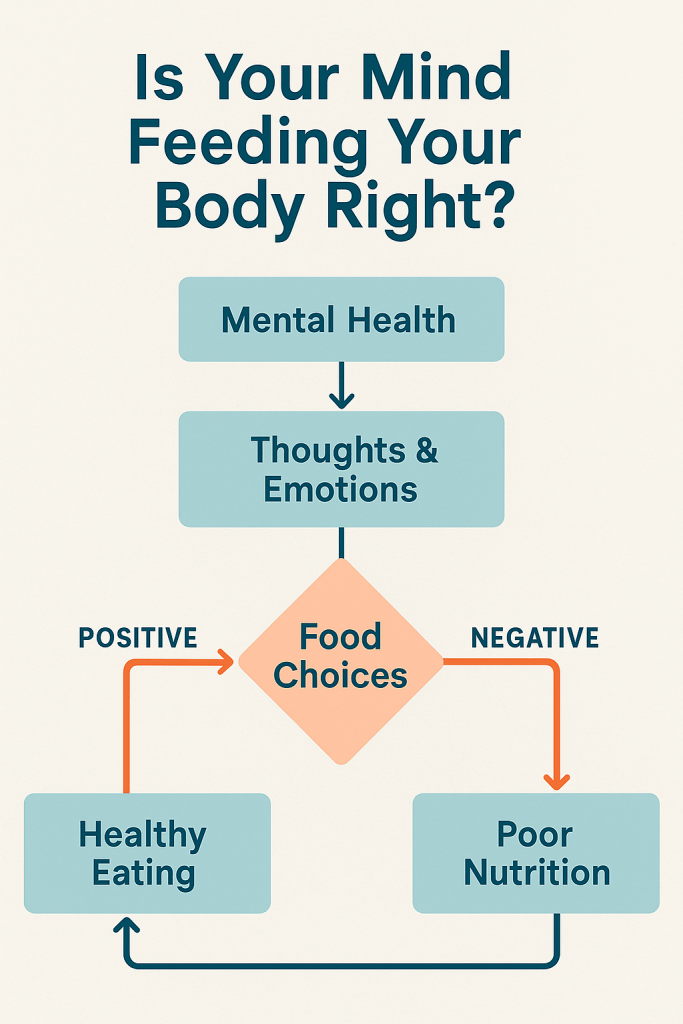
Most blogs talk about what to eat, but very few explain why we eat the way we do. This post will explore how our thoughts, moods, and stress levels control our food choices — and how we can regain control.

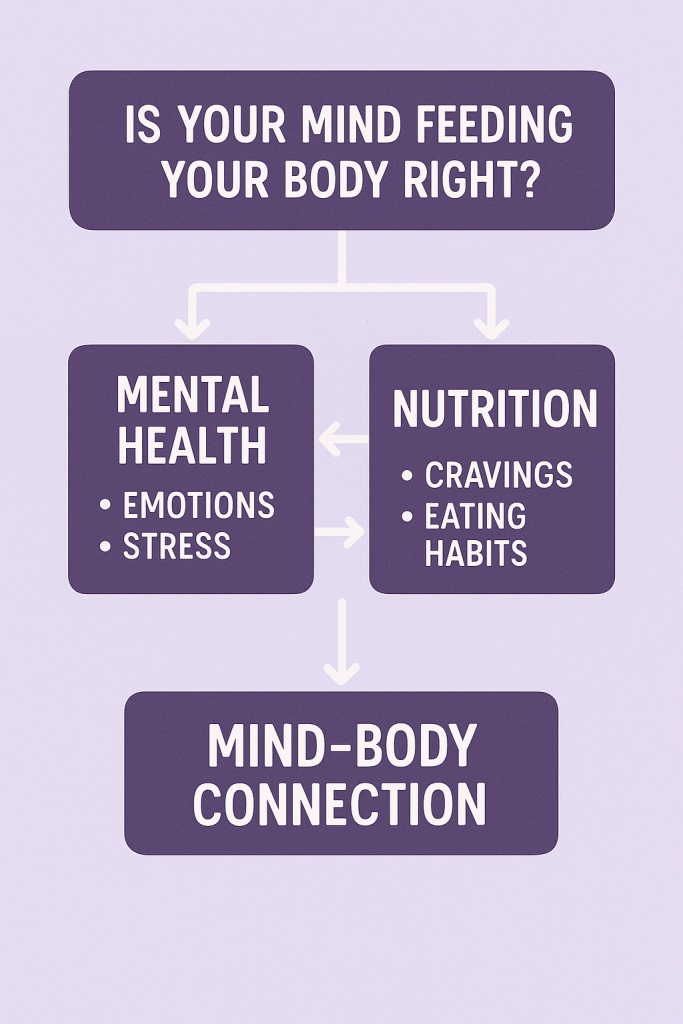
Is Your Mind Feeding Your Body Right?

Why emotional health is the hidden driver of our diet

We all know we should eat healthy.

But have you ever caught yourself saying?

  • I’ll start dieting from tomorrow.”
  • “I eat when I’m stressed.”
  • “I crave sugar when I’m upset.”

You’re not alone.

Your body doesn’t make all the decisions — your mind does.

The Real Enemy: Emotional Hunger

  • We often confuse emotional hunger with physical hunger.
  • Stress, boredom, sadness, even happiness — all trigger eating urges.
  • The result? We overeat or make unhealthy food choices… unknowingly.

💡 

Mind-Nutrition Connection: What Science Says

  • Stress increases cortisol, which increases appetite — especially for fatty and sugary foods.
  • Depression and anxiety often reduce motivation to cook or eat balanced meals.
  • Positive mood, on the other hand, encourages better choices.

How to Take Back Control

Use this simple 5-step check-in before you eat:

M.E.A.L.S. Technique:

  1. M – Mood: What am I feeling right now?
  2. E – Emotion or Hunger: Is this true hunger or a feeling?
  3. A – Aware Choice: Can I pause and choose better?
  4. L – Listen: What does my body actually need?
  5. S – Substitute: Can I swap junk for something nourishing?

Your Takeaway

Eating right isn’t just about the plate — it’s about the state of your mind.

👉 So next time you’re reaching for chips at midnight — ask yourself: is it my stomach speaking, or my stress?

Hi, I’m Sonita — the voice behind Healthy Living Hub. I share simple, science-backed tips to live a healthier, more balanced life — one mindful choice at a time. 
“I believe real health comes from small, consistent habits — not perfection.”

Blog at WordPress.com.

Up ↑