
Why You Feel Sleepy After Eating (And How to Fix It)

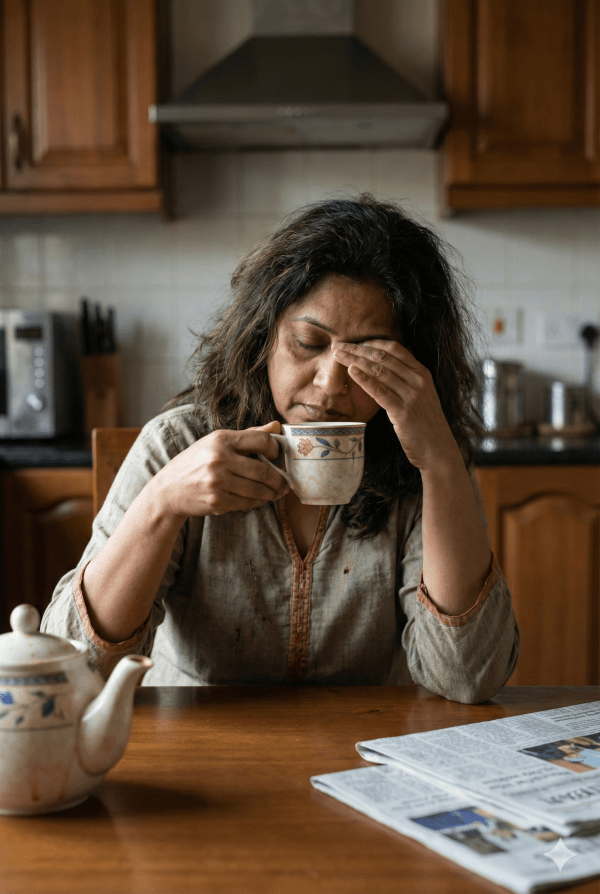
Have you ever finished a meal and suddenly felt heavy, tired, or sleepy — even if it wasn’t a big one?

If yes, you’re not alone. Many people believe this is normal, when actually it’s your body signaling something important.

Today’s video explains the real reasons behind post-meal fatigue — and how simple changes can give you more energy every day.

👉 Watch the YouTube Short:

🍽️ 

Is Feeling Sleepy After Eating Really Normal?

Most people think that grogginess after a meal is just how it is.

But the truth is — you don’t have to feel tired after eating.

Your body should feel nourished and energized, not drained.

Here are the common reasons this happens.

🧩 

Reason 1 — Too Many Refined Carbs, Not Enough Protein

If your meal is mostly rice, roti, or bread with very little protein (like eggs, dal, paneer, or curd), your blood sugar spikes quickly and then crashes just as fast.

This sudden drop makes your body feel tired, weak, and sleepy.

✔️ Tip: Add a good source of protein to every meal — this helps keep your energy stable and prevents that sugar crash.

🧩 

Reason 2 — Slow Digestion

When your stomach acid and digestive enzymes are weak, your body has to work much harder to break food down.

Instead of energy going to your brain and muscles, it goes to digestion — which can leave you feeling drained.

✔️ Tip: Chew your food thoroughly and eat slowly. This helps your digestive system work more efficiently.

🧩 

Reason 3 — Eating Too Fast or Too Much at Once

Overloading your system with a large quantity of food — especially eaten quickly — can overwhelm digestion and steal your energy.

✔️ Tip: Eat in smaller portions and take your time while eating. Your body will thank you!

🌿 

Simple Fixes That Work

Here’s a quick checklist to stop feeling sleepy after meals:

  • ✅ Add protein to every meal
  • ✅ Eat slowly and mindfully
  • ✅ Take a short 5-minute walk after eating

These small habits can make a big difference within just a few days!

🧡 

Final Thought

Feeling tired after eating isn’t something you just have to live with.

It’s your body communicating what it needs — and once you understand the cause, you can fix it.

If this helped you, watch the full Short again and try these tips today!

Stay energized and healthy — you deserve it 😊

📌 

Also Read / Watch

👉 YouTube Short:

3 Silent Signs Your Blood Pressure Is Going Up (Don’t Ignore These!)

High blood pressure is called a “silent killer” for a reason.

Most people don’t realise their BP is rising until they suddenly feel unwell — or until a doctor checks it.

But the truth is…

your body does give you early warning signs.

They’re just very easy to miss.

Today, let’s talk about 3 silent signs that your blood pressure may be increasing — even if you feel “okay.”

1. Morning Head Pressure

Do you wake up with a heavy head, tightness at the back of your skull, or a dull pain behind your neck?

This often happens when blood pressure rises during the night.

While it doesn’t always mean hypertension, it’s a warning flag your body is trying to show you.

If it happens frequently, take it seriously.

2. Sudden Facial Flushing

Experiencing sudden warmth, redness, or heat in your face — especially during stress, strong emotions, or after salty food — can be linked to temporary blood pressure spikes.

It doesn’t mean your BP is extremely high, but it does show your body is struggling to regulate pressure.

If you notice this often, keep a check on your numbers.

3. Feeling Your Heartbeat in Your Ears

That “thumping” or “whooshing” sound inside your ears (especially when lying down) is a classic early sign many people ignore.

It happens because blood is moving with more force than usual.

This is one of the most commonly overlooked symptoms of rising blood pressure.

If this becomes frequent, don’t delay a BP check.

Why These Signs Matter

These symptoms don’t confirm hypertension —

but they do tell you that your body is under pressure.

High blood pressure builds slowly.

Catching it early can protect your:

  • Heart
  • Kidneys
  • Eyes
  • Blood vessels

Taking small steps today can prevent big problems tomorrow.

Simple Things You Can Do Today

Here are small habits that help keep your BP stable:

  • Reduce extra salt
  • Drink enough water
  • Manage stress
  • Get 20–30 minutes of movement daily
  • Sleep well
  • Check your BP regularly at home

These little changes add up — and your body will thank you.

Final Thoughts

Your health always speaks to you… just in very soft whispers.

These early signs are your body’s way of saying:

“Take care of me before it becomes serious.”

So listen to the signals.

Make small lifestyle changes.

And keep monitoring your BP regularly. ❤️

Stay healthy, stay aware — and remember, you are in control of your wellbeing.

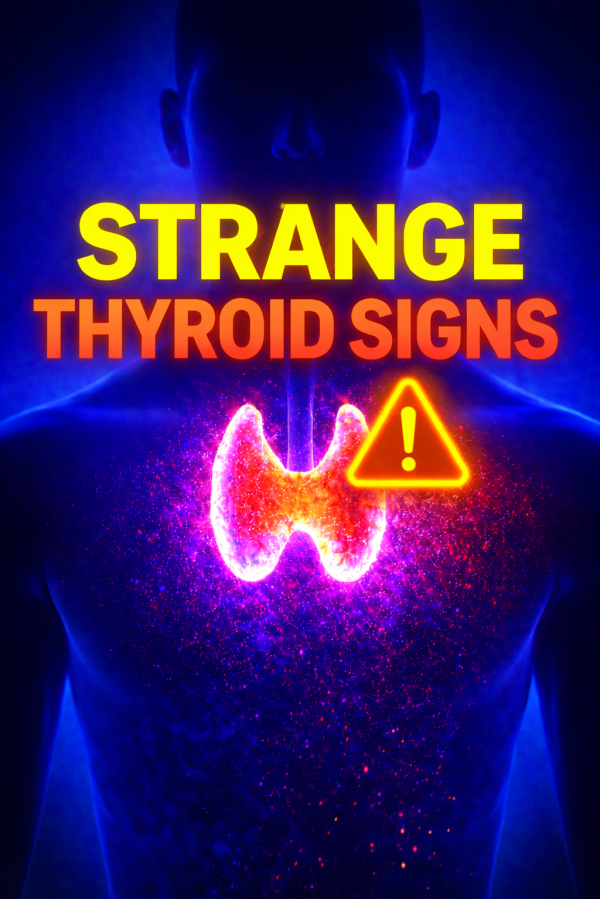
3 Strange Thyroid Signs You Should Never Ignore

Most people think thyroid problems show up only through weight gain or tiredness.

But your body sends much earlier, much stranger signals — and these small signs are often ignored.

If you’ve been feeling “off” lately without any clear reason, your thyroid may be trying to tell you something.

Here are 3 unusual thyroid signs you should not overlook:

1️⃣ Thinning of the Outer Eyebrows

Look closely at the outer third of your eyebrows.

If it’s getting thinner, patchy, or lighter — it can be one of the earliest signs of an underactive thyroid.

Why it happens:

A slow thyroid reduces the hormones responsible for hair growth. Eyebrow hair is very sensitive to this change, so it shows up here first.

👉 If you see this change and it wasn’t there before, don’t ignore it.

2️⃣ Your Voice Sounds Deeper or Hoarse

Do you feel like your voice is slightly deeper than usual?

Or do you wake up sounding hoarse, even when you’re not sick?

A sluggish thyroid can cause mild swelling around the vocal cords, which changes how your voice sounds.

This symptom is subtle… but very common in thyroid imbalance.

👉 If your voice feels different for no clear reason, it may be a thyroid signal.

3️⃣ Dry, Rough, or Flaky Skin That Won’t Improve

Using moisturizer but your skin still feels:

• dry

• rough

• flaky

• dull

This is another early sign of low thyroid activity.

Why it happens:

When the thyroid slows down, your skin’s natural oil production drops.

This causes dryness even if you drink enough water or use creams regularly.

👉 Persistent dryness — especially on arms, hands, or legs — should never be ignored.

Why These Signs Matter

Your thyroid controls your:

✔️ metabolism

✔️ body temperature

✔️ energy levels

✔️ skin and hair health

✔️ mood and hormones

So even small changes can affect how you feel every day.

The good news?

Thyroid issues are easy to detect with a simple blood test — and treatable when caught early.

What You Should Do Next

If you noticed even one of these signs for more than a few weeks:

✔️ Get your thyroid levels checked (TSH, T3, T4).

✔️ Track any changes in your skin, hair, or voice.

✔️ Discuss symptoms with a doctor if they persist.

Your body whispers before it screams.

Listening early can prevent bigger issues later.

If you found this helpful, you can watch the full video here:

🎥 YouTube Short: 3 Strange Thyroid Signs You Should Never Ignore

(Link to your short)

And explore more health tips on my blog:

🌿 HealthyLivingHub923.blog

What Happens to Your Body When You Eat Late at Night

Most of us have done it — finishing dinner late because of work, snacking at midnight, or eating while watching something on the laptop.

It feels harmless… but your body reacts very differently at night.

Eating late regularly can affect your digestion, sleep, hormones, and even weight.

Here’s what actually happens inside your body when you eat late at night — and how to fix it with simple habits.

🍕 

1. Digestion Slows Down at Night

Your digestive system works best during the day.

After sunset, your metabolism naturally slows as your body prepares for rest.

When you eat late at night:

  • Food stays in your stomach longer
  • Digestion becomes sluggish
  • You may feel bloated or heavy
  • Acid reflux becomes more likely
  • You wake up feeling full or uncomfortable

This is why late-night meals often leave you feeling uneasy or restless.

😴 

2. It Disturbs Your Sleep Cycle

When you sleep, your body wants to repair and reset.

But if your stomach is busy digesting food, your brain stays more alert.

Late-night eating can cause:

  • Trouble falling asleep
  • Light, poor-quality sleep
  • Waking up in the middle of the night
  • Feeling tired the next morning

Your sleep hormone melatonin drops when you eat late — making your sleep less refreshing.

⚖️ 

3. It Can Lead to Weight Gain Over Time

This doesn’t happen because of “calories at night.”

It happens because:

  • Digestion is slow
  • Insulin sensitivity is lower
  • Your body stores more fat at night
  • You are less active after eating

Even a small late meal can cause fat storage if it becomes a daily habit.

🤦‍♂️ 

4. You May Feel More Bloated in the Morning

If you wake up with:

✔ a heavy stomach

✔ gas or bloating

✔ a feeling of fullness

✔ low appetite in the morning

Late-night eating is often the reason.

Food that isn’t digested well at night ferments in the gut, causing discomfort the next day.

🚫 

5. Wearing Tight Clothes After Eating Makes It Worse

Many people relax in tight jeans or sit for hours after dinner — this puts extra pressure on your stomach and slows digestion even more.

It can increase:

  • Indigestion
  • Acid reflux
  • Bloating
  • Discomfort

Loose clothes + movement = much better digestion.

🌿 

So What’s the Solution? Try This Simple Habit

You don’t need to make big changes.

Just follow this small rule:

⭐ 

Have your last meal 2–3 hours before sleep.

And after eating:

🟢 

Take a gentle 10–15 minute walk.

This helps food move smoothly through the digestive system and improves sleep quality naturally.

Even if you can’t walk outside, a slow indoor walk also works.

🌙 

Small Change, Big Results

Late-night eating once in a while is okay.

But if it becomes a routine, it affects your health more than you realise.

Start small:

  • Eat a little earlier
  • Avoid heavy meals at night
  • Walk for a few minutes after dinner
  • Keep your sleep routine consistent

Your digestion and energy levels will improve within days.

📌 

Read More at Healthy Living Hub

For more simple, science-backed health tips, explore the blog anytime.

Is Your Blood Sugar Rising Silently? 5 Early Signs You Should Never Ignore

Most people think blood sugar rises only when we eat too much sugar.

But the truth is — your body gives early warnings long before diabetes develops.

If you catch these signs on time, you can reverse the damage easily.

Here are 5 silent early signs that your blood sugar is slowly rising.

1. You Feel Hungry Right After a Meal

If you feel hungry even after eating properly, it means:

  • Your cells are not getting energy
  • Glucose is staying in the blood
  • The pancreas is struggling to release enough insulin

This is one of the earliest signs of insulin resistance.

2. You Feel Sleepy or Tired After Eating

If you feel like lying down or taking a nap after lunch/dinner, it’s not normal.

This happens when:

  • Blood sugar spikes quickly
  • The pancreas releases too much insulin
  • Your energy crashes suddenly

This “energy crash” is a major early warning.

3. You Are Always Thirsty, Even in Winter

This is because excess sugar pulls water out of your tissues.

You may notice:

  • Dry mouth
  • Feeling thirsty at night
  • Frequent water breaks

If you are thirsty without any reason, check your sugar.

4. You Are Gaining Weight Around Your Belly

High blood sugar forces the body to store more fat—especially around the stomach.

Belly fat is not just fat;

it is a sign of insulin resistance.

Even slim people can have high blood sugar if they have belly fat.

5. You Are Waking Up at Night to Pee

When sugar rises:

  • The kidneys work extra to flush it
  • You feel the urge to urinate at night
  • Sleep becomes disturbed

If this happens frequently, don’t ignore it.

Why Does Blood Sugar Rise Silently?

Because the pancreas tries to “save you” quietly by releasing more and more insulin.

By the time symptoms appear, insulin is already struggling.

That’s why early detection is extremely important.

How to Control Blood Sugar Naturally (Simple Tips)

✔ Eat more fiber (dal, vegetables, fruits with skin)

Slows down sugar spikes.

✔ Add protein to every meal

Helps keep sugar stable (eggs, paneer, curd, chana, nuts).

✔ Walk 10 minutes after every meal

This alone can reduce sugar spikes by 30–40%.

✔ Reduce white carbs

White bread, maida, sweets, sugary drinks.

✔ Sleep 7 hours

Poor sleep increases insulin resistance immediately.

Final Message

Blood sugar does not rise in one day.

Your body gives warnings — we just have to listen.

If you notice these signs, take small steps today.

They can protect you from prediabetes and diabetes tomorrow.

Watch here👇

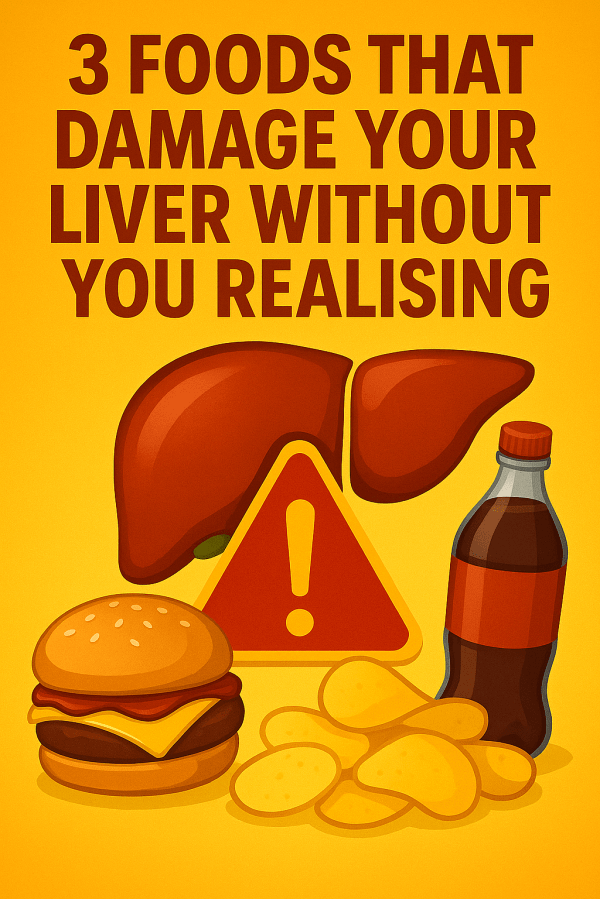
3 Foods That Damage Your Liver Without You Realising ⚠️

Your liver works silently all day — filtering toxins, digesting food, balancing hormones, and keeping your energy levels stable.

But the truth is… many everyday foods can slowly weaken your liver without showing any early symptoms.

You may feel perfectly fine on the outside, but inside, your liver may be struggling.

Here are 3 common foods that can silently damage your liver if eaten regularly.

1️⃣ Soft Drinks (Even Zero-Sugar Drinks)

Soft drinks overload your liver with:

  • High amounts of fructose
  • Artificial sweeteners
  • Chemical preservatives
  • Artificial colors

Even “diet” or “zero sugar” drinks are not harmless. They confuse your metabolism and increase inflammation inside the liver.

What happens?

  • Liver fat increases
  • Detox capacity reduces
  • Risk of fatty liver rises — even if you’re slim

Better alternatives:

Lemon water, coconut water, plain soda, homemade fruit-infused water.

2️⃣ Deep-Fried Foods (Especially Street Food)

Samosas, pakodas, fries, chicken popcorn — all may taste amazing, but they are hard on your liver.

Most fried foods are cooked in:

  • Reused oil
  • Very high heat
  • Oils high in omega-6

This creates toxic compounds that your liver must break down.

Results:

  • Liver inflammation
  • Slower digestion
  • Fat buildup

Even “occasional” deep-fried foods can create issues when combined with stress and low sleep.

Better alternatives:

Air-fried snacks, roasted chana, baked samosa, homemade fries.

3️⃣ Processed Snacks (Chips, Biscuits, Packaged Namkeen)

These are convenient but harmful because they contain:

  • Trans fats
  • Too much sodium
  • Artificial flavor enhancers
  • Preservatives

Your liver has to work extra hard to filter out these chemicals.

Over time this leads to:

  • Fatty liver
  • Water retention
  • Cravings
  • Low energy

Better swaps:

Peanuts, makhana, fruits, yoghurt, homemade trail mix.

Why This Matters

Your liver doesn’t scream for help in the beginning.

It gives silent hints like:

  • Low energy
  • Bloating
  • Mild acidity
  • Poor sleep
  • Craving sugar

Avoiding these foods can reduce the hidden stress on your liver and support long-term health.

⭐ 

How to Protect Your Liver Naturally

✔ Increase fruits & vegetables

✔ Add garlic, turmeric & beetroot

✔ Drink more water

✔ Reduce alcohol & sugary drinks

✔ Get 7–8 hours of sleep

Small changes make a big difference.

Final Thoughts

You don’t have to completely “cut out” these foods — just eat them less often and give your liver a chance to recover.

Your liver works silently for you every day… let’s support it with simple habits.

Watch here👇

3 Early Signs Your Liver Is Becoming Fatty (Even If You’re Slim)

Most people think fatty liver only happens if you’re overweight or eat too much junk food. But that’s not true anymore. Today, even thin and active people are developing fatty liver because of stress, poor sleep, wrong eating habits, and too much sugar.

The good news?

Your body gives early warning signs—you just have to notice them.

Here are three simple symptoms you should never ignore.

1. Constant Fatigue

Do you feel tired all the time… even after sleeping well?

This is one of the first signs of fatty liver. When the liver starts storing fat, it struggles to filter toxins properly. This makes your whole body feel heavy, dull, and slow.

If your energy crashes during the day or everything feels exhausting, don’t ignore it.

2. Discomfort or Heaviness on the Right Side

A fatty liver often causes a mild ache, tightness, or heaviness under your right ribcage.

Many people confuse it with gas, acidity, or bloating, but the liver sits exactly on the right side. When it gets enlarged or stressed, you start feeling pressure in that area.

The pain may not be sharp — it’s usually dull, annoying, and comes and goes.

3. Belly Fat That Appears Suddenly

If you suddenly gain fat around your stomach — even without eating more — your liver may be involved.

A fatty liver can’t break down fats properly, so your body starts storing fat around the waist.

If your upper belly looks swollen by evening or you feel bloated easily, this is another early sign.

Can Fatty Liver Be Reversed?

YES — fatty liver is one of the few conditions that can be fully reversed with simple changes:

  • Cut down sugar
  • Reduce deep-fried foods
  • Add more vegetables
  • Sleep well
  • Stay active
  • Hydrate properly

Your liver works silently every day… take care of it before it becomes overloaded.

Also watch👇

3 Early Signs Your Kidneys Need Attention (Don’t Ignore These!)

But the truth is — your kidneys quietly work 24/7 to filter toxins, balance fluids, control blood pressure, and keep you healthy.

When they start struggling, your body gives you early clues… but we often miss them.

Here are three simple signs your kidneys may be overworked.

1️⃣ Foamy or Bubbly Urine

If you notice frequent foam in your urine (not just once in a while), pay attention.

This can happen when protein starts leaking into the urine — something healthy kidneys normally prevent.

Why it matters:

Persistent foamy urine can be an early sign of kidney stress or dysfunction.

What you can do:

  • Stay hydrated
  • Reduce very salty and packaged foods
  • Get a urine test if it happens regularly

2️⃣ Puffy Eyes, Especially in the Morning

Waking up with swollen or puffy eyes may look normal after a late night…

But if it happens often, it may be connected to your kidneys.

When kidneys can’t balance fluids well, water begins to collect in tissues — and your eyes show it first.

Other clues:

  • Swollen feet or ankles
  • Face puffiness

What helps:

  • Drink enough water throughout the day
  • Cut down on salty snacks
  • Sleep 7–8 hours
  • Check your protein intake

3️⃣ One-Sided Lower Back Pain

Kidney pain usually appears on one side, slightly above your waist.

You may feel:

✔ A dull ache

✔ Pain that comes and goes

✔ Pain that worsens after drinking too little water

This pain feels different from muscle pain because it’s deeper and harder to pinpoint.

What helps:

  • Stay hydrated
  • Avoid holding your urine for long
  • Reduce painkillers (they strain kidneys)
  • See a doctor if the pain keeps returning

🌿 

How to Keep Your Kidneys Healthy

Small daily habits can make a big difference:

  • Drink enough water (6–8 glasses a day)
  • Reduce excess salt
  • Eat more fruits and vegetables
  • Avoid unnecessary painkillers
  • Stay active
  • Get regular blood pressure and sugar checks

Your kidneys don’t ask for much… just a little care ❤️

⭐ 

Final Thoughts

Most kidney problems start silently.

But your body gives small signals — and knowing them early can protect your health.

If any two symptoms from above feel familiar, don’t ignore them.

Your kidneys are precious — take care of them before they get overwhelmed.

3 Warning Signs Your Liver Is Overworked — Don’t Ignore These Early Symptoms

“A medical-style graphic showing a human body silhouette with the liver highlighted in glowing red, along with a warning symbol. Represents early signs of an overworked liver and symptoms people should not ignore.”

Your liver works 24/7 — filtering toxins, digesting fats, balancing hormones, and supporting your energy levels. But when it becomes overworked, your body starts sending subtle warning signs that many people ignore.

Here are the 3 early symptoms of liver stress, along with simple steps you can take today to support your liver naturally.


1️⃣ Constant Fatigue (Even When You Sleep Well)

Feeling tired all the time? When the liver struggles to filter toxins, those toxins stay in the bloodstream — making your body work harder.
Common signs include:

Feeling drained by afternoon

Persistent tiredness

Brain fog

Low motivation

According to Cleveland Clinic, fatigue is one of the earliest indicators of liver dysfunction.

Personal note: Many people I’ve spoken to shared that they felt “tired for no reason.” After improving their diet and hydration, their energy levels noticeably improved — showing how much the liver affects daily vitality.


2️⃣ Bloating or Discomfort on the Right Side of the Abdomen


The liver sits on the upper right side of your abdomen. So when it becomes inflamed or stressed, you may feel:

  • Heaviness after meals
  • Right-side upper abdominal pressure
  • Bloating
  • Difficulty digesting oily foods

The Mayo Clinic notes that liver inflammation often presents as upper right abdominal discomfort.

3️⃣ Skin Changes You Didn’t Expect

Your skin often reflects liver health. When the liver can’t detox properly, toxins may show up in the form of:

  • Dry, itchy skin
  • Small bumps or breakouts
  • Itching without rash
  • Slight yellowish tint in eyes or nails

NIDDK states that early liver issues may cause itching and mild yellowing of the skin.

⭐ What You Can Do Right Now (Simple, Daily Habits)

Supporting your liver doesn’t require drastic changes. These small, consistent habits make a big difference:

🔹 1. Reduce Sugar
Excess sugar creates fat buildup in the liver. Choose healthier alternatives like fruits, nuts, or homemade snacks.

🔹 2. Avoid Fried and Heavy Foods

Fried foods force your liver to work harder. Try steaming, baking, or air-frying.

🔹 3. Stay Hydrated (2.5–3L/day)
Hydration helps flush toxins and supports liver filtration.

🔹 4. Add Liver-Friendly Foods
Beetroot

Lemon water

Garlic

Turmeric

Leafy greens

Green tea

🔹 5. Move Your Body

Even 20 minutes of walking increases blood flow to the liver.

🔹 6. Limit Alcohol

Alcohol directly stresses the liver. Even reducing frequency helps.


🎥 Watch the Video Version


See this visually explained in my YouTube Short:
👉 [https://youtube.com/shorts/imxsrRaT-7s?si=S1mV5UIyiztm94tM ]


🔗 Read More or Share This Post


Full blog link:
👉 [https://healthylivinghub923.blog/ ]


Conclusion
Your liver works quietly behind the scenes, protecting you every second. Recognizing these early signs and supporting your liver with simple habits can boost your energy, improve digestion, and protect your long-term health.

If this helped you, share it with someone who might need it — your small action could help someone take care of their health. 💛


Frequently Asked Questions


1. What are the early signs of liver problems?

The earliest signs include constant fatigue, bloating or discomfort on the right side of the abdomen, and skin changes such as dryness, itching, or a slight yellowish tint.

2. How do I know if my liver is overworked?

If you often feel tired despite good sleep, struggle to digest oily foods, or have unexplained bloating or itching, your liver may be stressed.

3. What foods are good for liver health?

Beetroot, leafy greens, garlic, turmeric, lemon water, and green tea support liver detox and reduce inflammation.

4. Can dehydration affect the liver?

Yes. Dehydration reduces your liver’s ability to filter toxins, making it work harder.

5. How do I improve my liver naturally?

Reduce sugar, avoid fried foods, drink more water, limit alcohol, and include antioxidant-rich foods in your diet.


Are You Dehydrated? Try This 5-Second Test!

Hand performing 5-second hydration skin pinch test.

Have you ever wondered if you’re drinking enough water?

Most of us think we are… but our body often tells a different story.

The good news?

You don’t need any gadget or medical test to check your hydration level.

There’s a simple 5-second test you can do anywhere — at home, at work, or even while reading this blog.

Let’s try it together.

💧 Step 1: The Simple Skin-Pinch Test

  • Pinch the skin on the back of your hand.
  • Hold it for 1 second.
  • Now release it.

That’s it.

Just observe what happens next.

💡 What Your Result Means

✔️ If the skin snaps back instantly:

You’re hydrated!

Your body has enough water to keep your skin elastic and cells healthy.

⚠️ If the skin returns slowly or stays lifted:

This is a sign of dehydration.

Even a delay of 1–2 seconds means your body needs more fluids.

This test is called a “skin turgor test,” and doctors use it too — because it’s quick, reliable, and easy for everyone.

😬 Most People Don’t Realise They’re Dehydrated

Even mild dehydration can make you feel “off” without knowing why.

Here are some common symptoms you might think are normal:

  • Morning tiredness
  • Headaches
  • Dizziness
  • Dry lips or mouth
  • Bloating
  • Constipation
  • Sugar cravings
  • Fatigue after lunch
  • Difficulty concentrating

If you experience any of these often, your body might simply be asking for water.

🧂 Why Does Dehydration Happen So Easily?

Because we lose water throughout the day through:

  • Breathing
  • Sweating
  • Urination
  • Digestion

And if we’re busy, stressed, or distracted, drinking water becomes the last thing on our mind.

Coffee and tea also dehydrate if taken in excess — which many of us do!

🚰 How Much Water Should You Drink Daily?

Here’s a simple rule that works for most people:

👉 30–35 ml of water per kg of body weight

Example:

If you weigh 60 kg → you need about 1.8 – 2.1 litres per day.

But needs increase if you:

  • Live in a hot, humid place
  • Exercise
  • Drink tea/coffee often
  • Stay in AC rooms

🌞 A Simple Morning Hydration Routine

Start your day with this:

  1. Drink 1–2 glasses of water after waking up
  2. Avoid tea/coffee for the first 45 minutes
  3. Add a pinch of salt or lemon if you feel sluggish
  4. Eat water-rich fruits (orange, watermelon, apple)

This reduces morning headaches and puffiness, and boosts metabolism.

🍉 Foods That Hydrate Your Body

You don’t have to drink water only.

These foods hydrate you naturally:

  • Cucumber
  • Watermelon
  • Coconut water
  • Oranges
  • Buttermilk
  • Tomatoes
  • Lettuce
  • Homemade soups

Add at least one of these daily.

⏰ When You Should Drink More Water

Increase your water intake when:

  • You wake up
  • In hot weather
  • Before and after exercise
  • When eating salty foods
  • If you feel cravings
  • Before long screen-time sessions
  • During travel

Even drinking a glass of water at the right time can prevent headaches and cravings.

❓ FAQ: Is the 5-Second Test Accurate?

Yes — for most people.

But here’s when results may vary:

  • Older adults (skin loses elasticity with age)
  • After major weight loss
  • Certain medical conditions
  • Very cold weather

Still, it is a great daily self-check for hydration.

💧 Final Thought: Your Body Needs Water More Than You Think

Your skin, energy, digestion, brain — everything depends on proper hydration.

And this 5-second test is an easy reminder to look after your body every single day.

So go ahead…

Do the test again.

Drink a glass of water.

Your body will thank you for it. 🌿💛

If you want, I can also write a Pinterest pin, Instagram caption, or email newsletter based on this blog.

Blog at WordPress.com.

Up ↑