
What Happens to Your Body When You Eat Late at Night

Most of us have done it — finishing dinner late because of work, snacking at midnight, or eating while watching something on the laptop.

It feels harmless… but your body reacts very differently at night.

Eating late regularly can affect your digestion, sleep, hormones, and even weight.

Here’s what actually happens inside your body when you eat late at night — and how to fix it with simple habits.

🍕 

1. Digestion Slows Down at Night

Your digestive system works best during the day.

After sunset, your metabolism naturally slows as your body prepares for rest.

When you eat late at night:

  • Food stays in your stomach longer
  • Digestion becomes sluggish
  • You may feel bloated or heavy
  • Acid reflux becomes more likely
  • You wake up feeling full or uncomfortable

This is why late-night meals often leave you feeling uneasy or restless.

😴 

2. It Disturbs Your Sleep Cycle

When you sleep, your body wants to repair and reset.

But if your stomach is busy digesting food, your brain stays more alert.

Late-night eating can cause:

  • Trouble falling asleep
  • Light, poor-quality sleep
  • Waking up in the middle of the night
  • Feeling tired the next morning

Your sleep hormone melatonin drops when you eat late — making your sleep less refreshing.

⚖️ 

3. It Can Lead to Weight Gain Over Time

This doesn’t happen because of “calories at night.”

It happens because:

  • Digestion is slow
  • Insulin sensitivity is lower
  • Your body stores more fat at night
  • You are less active after eating

Even a small late meal can cause fat storage if it becomes a daily habit.

🤦‍♂️ 

4. You May Feel More Bloated in the Morning

If you wake up with:

✔ a heavy stomach

✔ gas or bloating

✔ a feeling of fullness

✔ low appetite in the morning

Late-night eating is often the reason.

Food that isn’t digested well at night ferments in the gut, causing discomfort the next day.

🚫 

5. Wearing Tight Clothes After Eating Makes It Worse

Many people relax in tight jeans or sit for hours after dinner — this puts extra pressure on your stomach and slows digestion even more.

It can increase:

  • Indigestion
  • Acid reflux
  • Bloating
  • Discomfort

Loose clothes + movement = much better digestion.

🌿 

So What’s the Solution? Try This Simple Habit

You don’t need to make big changes.

Just follow this small rule:

⭐ 

Have your last meal 2–3 hours before sleep.

And after eating:

🟢 

Take a gentle 10–15 minute walk.

This helps food move smoothly through the digestive system and improves sleep quality naturally.

Even if you can’t walk outside, a slow indoor walk also works.

🌙 

Small Change, Big Results

Late-night eating once in a while is okay.

But if it becomes a routine, it affects your health more than you realise.

Start small:

  • Eat a little earlier
  • Avoid heavy meals at night
  • Walk for a few minutes after dinner
  • Keep your sleep routine consistent

Your digestion and energy levels will improve within days.

📌 

Read More at Healthy Living Hub

For more simple, science-backed health tips, explore the blog anytime.

🌿 Feeling Bloated? Here’s How to Fix It Fast!

Have you ever woken up feeling heavy, tight, or just “off” in your stomach — even when you didn’t eat much?

I’ve been there too. In fact, bloating is one of the most common discomforts people message me about on Healthy Living Hub. The good news? Most bloating can be reduced with a few simple everyday habits.

Today, I’m sharing what has actually worked for me and the science behind why these tips help. These are small changes, but they can make you feel lighter and more energetic within a day.

⭐ 1. Eat Slower

I used to finish my meals quickly, especially on busy days — and I always wondered why I felt full and gassy afterward. Later I learned that eating too fast makes us swallow excess air, which gets trapped and causes bloating.

Why it helps:

• Less swallowed air

• Better chewing → easier digestion

• Reduced overeating

Try this:

Put your spoon down between bites, chew properly, and aim to finish meals in 10–15 minutes.

⭐ 2. Try a Probiotic

Your gut has billions of “good bacteria” that help break down food. When these bacteria go out of balance (due to stress, irregular meals, or antibiotics), bloating becomes common.

Why it helps:

• Supports digestion

• Reduces gas formation

• Improves overall gut health

What I personally use:

A bowl of homemade curd or buttermilk every day — simple, affordable, effective.

Other options include fermented foods (idli/dosa batter, pickles) or probiotic supplements.

⭐ 3. Add More Fiber

Fiber is like a gentle broom for your digestive system. When you don’t get enough, your digestion slows down, leading to bloating.

But increasing fiber suddenly can also cause gas — so make changes slowly.

Good sources:

• Fruits: papaya, banana, apple

• Vegetables

• Oats

• Chia seeds

• Whole grains

A small fruit bowl and 1 tbsp chia seeds daily works wonderfully for me.

⭐ 4. Avoid Sugar Alcohols

This is something many people don’t know: sugar-free products often contain sugar alcohols like sorbitol, mannitol, and xylitol. They are difficult to digest and produce gas in the intestine.

Common hidden sources:

• Sugar-free gum

• Diet snacks

• Sugar-free chocolates

• Protein bars

If you’re frequently bloated, check the nutrition labels — this one change alone helps many people.

⭐ 5. Reduce Salt

High-salt foods make the body retain water, which leads to a puffy, bloated feeling.

Quick fixes:

• Choose home-cooked over packaged food

• Reduce chips, instant soups, sauces

• Avoid adding extra salt without tasting

You’ll notice a difference within a day or two.

🌼 Final Thoughts

Bloating is uncomfortable, but it doesn’t always require medicine.

With consistent small changes, you can reduce bloating naturally and feel lighter throughout the day.

These tips have personally helped me, and I hope they help you too.

If your bloating is severe or frequent, do consult a doctor — sometimes the cause can be deeper.

💚 If you found this post useful, feel free to share it or leave a comment on what worked best for you.

Foods to Avoid on an Empty Stomach

What you eat on an empty stomach can either support your digestion… or irritate it.

Many people think all “healthy” foods are safe first thing in the morning, but some foods can actually cause acidity, bloating, or discomfort when eaten on an empty stomach.

Here are three foods you should avoid first thing in the morning, and why they may not be the best choice before breakfast.

1. Citrus Fruits (Oranges, Lemons, Sweet Lime)

Citrus fruits are packed with vitamin C and antioxidants — they’re great, but not when your stomach is empty.

Why avoid them early morning?

  • They contain strong natural acids
  • These acids can irritate your stomach lining
  • May trigger heartburn or a burning sensation
  • Can worsen acidity if you’re already prone to it

Better alternative:

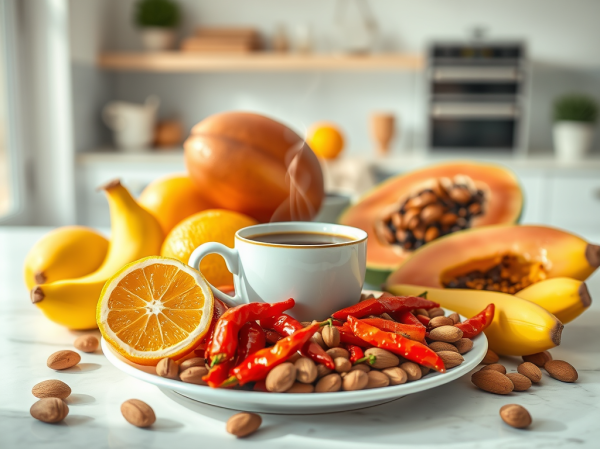
Start with banana, papaya, or soaked almonds — these are gentle and soothing.

2. Coffee First Thing in the Morning

For many people, coffee is the first thing they reach for.

But drinking coffee on an empty stomach can do more harm than you think.

Why it’s not ideal:

  • Coffee increases stomach acid
  • Can cause acidity or burning
  • May lead to anxiety or shakiness
  • Can irritate the gut if taken before any food

Better routine:

Have a small snack or breakfast before your coffee — even a handful of nuts helps.

3. Spicy Foods

Starting your day with spicy food forces your stomach to work harder when it should be easing into digestion.

Why avoid it in the morning:

  • Can irritate the stomach lining
  • May cause bloating
  • Increases chances of acidity
  • Not ideal before your digestive system “wakes up”

Better alternative:

Choose warm water, fruit, oats, or light breakfast foods to gently activate digestion.

✔️ 

A Simple Rule for a Happier Stomach

Your stomach is most sensitive in the morning.

So choose foods that are:

✔ Easy to digest

✔ Gentle

✔ Low in acidity

✔ Not too spicy or caffeinated

Starting your day with the right foods can keep your digestion smooth and your energy steady.

❤️ 

Final Thoughts

Small changes in your morning eating habits can make a big difference to your gut health.

Listen to your body, keep your mornings gentle, and your stomach will thank you!

https://youtube.com/shorts/tjKaNAOdhsQ?si=X-hnz9S3r6ZJY4hi

The Gut-Brain Connection: How Your Mood is Influenced by Your Gut

Have you ever noticed how your stomach reacts when you’re stressed, anxious, or even excited? A flutter before a big presentation, that tight knot when you’re nervous, or even butterflies when you’re happy — they’re not just in your head. They’re in your gut too.

We often think of our brain as the command center for all emotions, but surprisingly, our gut has a lot to say in that conversation. In fact, scientists now call the gut our “second brain.” And trust me, it’s not just a fancy term — it’s real science.

The Brain–Gut Connection: More Powerful Than You Think

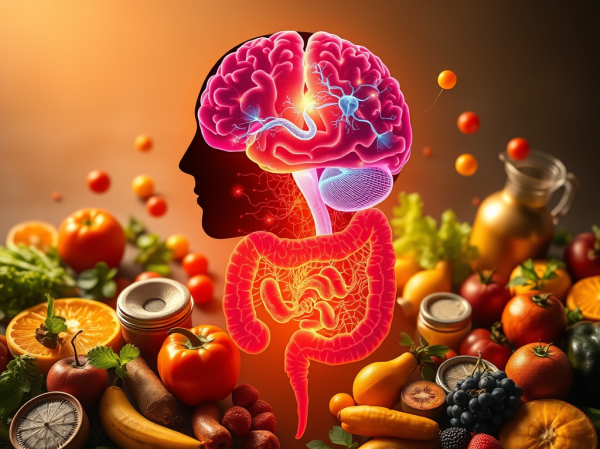
Our gut and brain constantly talk to each other through something called the gut-brain axis. It’s like a private communication line between the two — carried through nerves, hormones, and millions of tiny messengers.

So when your gut is happy, calm, and balanced, your mind often feels the same. But when your gut bacteria are out of balance (what doctors call gut dysbiosis), it can trigger anxiety, brain fog, irritability, or even mild depression.

Meet Your Mood Managers: The Gut Microbes

Here’s the amazing part: around 90% of the body’s serotonin — the “happy hormone” that boosts mood and relaxation — is actually produced in the gut!

Yes, you read that right. Not in your brain — but in your gut.

That means if your gut is inflamed, sluggish, or filled with the wrong kind of bacteria, it can directly affect how happy or calm you feel.

Think of your gut bacteria as little mood managers — they help produce and regulate neurotransmitters like serotonin, dopamine, and GABA, which influence sleep, motivation, and stress response.

How Food Affects Your Feelings

What you eat directly shapes your gut microbiome, and that, in turn, shapes your emotions. It’s that simple and that deep.

When you eat:

  • Fermented foods (like homemade curd, idli, dhokla, or kanji) → you feed good bacteria that support calmness and focus.
  • Fiber-rich foods (like vegetables, fruits, oats, and lentils) → you provide fuel for those bacteria to thrive.
  • Processed or sugary foods → you feed the “bad guys,” leading to more inflammation and unstable moods.

I often tell myself — if my mood swings are getting worse or I’m feeling off for no reason, maybe it’s not “just in my head.” Maybe it’s in my gut.

Listen to Your Gut (Literally!)

Next time your stomach feels bloated, uneasy, or heavy after eating, don’t just brush it off. It’s your gut trying to talk to you.

Try to notice:

  • How you feel after certain meals.
  • Whether you’re eating slowly or rushing through.
  • If your sleep or stress is affecting your digestion.

Because your gut is more emotional than you think — it remembers, reacts, and responds to how you live every single day.

Small Steps to Heal Both Gut and Mood

  1. Start your morning with warm water and a calm mind. It wakes up digestion gently.
  2. Add one fermented food daily. A small bowl of curd, a glass of buttermilk, or homemade pickle counts.
  3. Cut down on ultra-processed food. They kill your good bacteria silently.
  4. Chew slowly. Your brain gets time to register that you’re eating — digestion actually begins in the mouth!
  5. Sleep well. Your gut microbes repair themselves at night.

Final Thoughts

We often separate mental health and physical health as if they belong to different worlds. But the truth is — they live in the same house. One affects the other.

So next time you feel low or anxious, don’t just reach for coffee or your phone for distraction. Maybe sit back, take a deep breath, and ask — “Is my gut okay today?”

Because when your gut feels good, your mind often follows.

A Little Note From Me

I started paying attention to my gut health recently — eating slowly, adding curd to my meals, and cutting down on packaged food. And honestly, I could feel the difference. My energy became steadier, my mood lighter. It felt like my body and mind finally started speaking the same language.

Sometimes, small mindful changes do more than any medicine or motivational quote ever can.

You can also watch here👇

https://youtube.com/shorts/ulEbOFwzTLU?si=WeSmK1uMjpnohqx4

Hi, I’m Sonita — the voice behind Healthy Living Hub. I share simple, science-backed tips to live a healthier, more balanced life — one mindful choice at a time. 

Blog at WordPress.com.

Up ↑