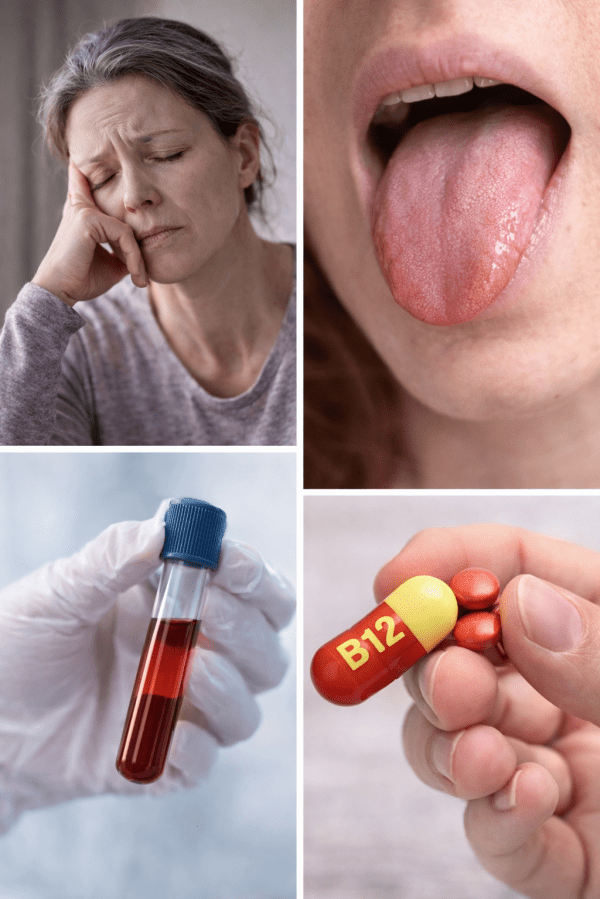
Many people feel tired, dizzy, or mentally foggy without knowing the real reason. One possible cause could be Vitamin B12 deficiency, which often develops slowly and goes unnoticed for a long time.
2️⃣ Signs to Watch For
1. Persistent Fatigue
Even after resting, you may feel unusually tired or weak.
2. Tingling in Hands or Feet
Vitamin B12 is important for nerve health. Low levels can cause tingling or numbness.
3. Pale or Yellowish Skin
A deficiency may affect red blood cell production, making skin look pale.
4. Glossitis (Smooth, Swollen Tongue)
The tongue may appear red, swollen, or unusually smooth.
5. Memory Problems or Brain Fog
6. Shortness of Breath
7. Mood Changes
3️⃣ Who Is More at Risk?
Vegetarians or vegans
Older adults
People with digestive disorders
People taking certain medications
4️⃣ Foods Rich in Vitamin B12
Eggs
Dairy products
Fish
Meat
Fortified cereals
5️⃣ When to See a Doctor
If several of these symptoms appear together, it’s wise to check your Vitamin B12 levels through a blood test.
Have you ever slept for 7–8 hours, yet woken up feeling tired, weak, or drained?
Most of us assume that good sleep automatically means good energy. But the truth is, sleep alone is not always enough. Sometimes, your body wakes up tired because something small—but important—is out of balance.
Let’s look at a few everyday reasons this happens.
💧 1. Mild Dehydration After Sleep
During sleep, your body goes for several hours without water. Even mild dehydration in the morning can cause weakness, headache, or low energy.
Many people start their day with tea or coffee but forget plain water. This simple habit can make mornings feel heavier than they should.
🍽️ 2. Low Morning Fuel
If your dinner was very light or too late at night, your body may run out of energy by morning.
Skipping proper meals or eating irregularly can lead to low blood sugar levels, which often show up as morning weakness, shakiness, or tiredness—even after good sleep.
🚶♀️ 3. Poor Circulation Due to Less Movement
When we don’t move enough during the day, circulation slows down. This can reduce oxygen delivery to muscles and make the body feel stiff or weak the next morning.
Simple movement—like stretching, walking, or light activity—can make a big difference.
🌿 Listen to Your Body
Feeling weak doesn’t mean your body is lazy or failing.
Very often, it’s just asking for:
Enough water
Balanced meals
Gentle daily movement
Small adjustments can help you feel lighter, fresher, and more energetic in the morning.
💚 Final Thought
Your body speaks quietly.
When you feel tired without a clear reason, pause and listen.
High blood pressure is called a “silent killer” for a reason.
Most people don’t realise their BP is rising until they suddenly feel unwell — or until a doctor checks it.
But the truth is…
your body does give you early warning signs.
They’re just very easy to miss.
Today, let’s talk about 3 silent signs that your blood pressure may be increasing — even if you feel “okay.”
1. Morning Head Pressure
Do you wake up with a heavy head, tightness at the back of your skull, or a dull pain behind your neck?
This often happens when blood pressure rises during the night.
While it doesn’t always mean hypertension, it’s a warning flag your body is trying to show you.
If it happens frequently, take it seriously.
2. Sudden Facial Flushing
Experiencing sudden warmth, redness, or heat in your face — especially during stress, strong emotions, or after salty food — can be linked to temporary blood pressure spikes.
It doesn’t mean your BP is extremely high, but it does show your body is struggling to regulate pressure.
If you notice this often, keep a check on your numbers.
3. Feeling Your Heartbeat in Your Ears
That “thumping” or “whooshing” sound inside your ears (especially when lying down) is a classic early sign many people ignore.
It happens because blood is moving with more force than usual.
This is one of the most commonly overlooked symptoms of rising blood pressure.
If this becomes frequent, don’t delay a BP check.
Why These Signs Matter
These symptoms don’t confirm hypertension —
but they do tell you that your body is under pressure.
High blood pressure builds slowly.
Catching it early can protect your:
Heart
Kidneys
Eyes
Blood vessels
Taking small steps today can prevent big problems tomorrow.
Simple Things You Can Do Today
Here are small habits that help keep your BP stable:
Reduce extra salt
Drink enough water
Manage stress
Get 20–30 minutes of movement daily
Sleep well
Check your BP regularly at home
These little changes add up — and your body will thank you.
Final Thoughts
Your health always speaks to you… just in very soft whispers.
These early signs are your body’s way of saying:
“Take care of me before it becomes serious.”
So listen to the signals.
Make small lifestyle changes.
And keep monitoring your BP regularly. ❤️
Stay healthy, stay aware — and remember, you are in control of your wellbeing.
Do your hands or feet feel cold even when the weather isn’t?
Many people brush this off as normal. But sometimes, this is your body quietly asking for help.
Poor blood circulation rarely causes pain in the beginning. Instead, it shows up through small, easy-to-miss signs. Recognizing them early can help prevent bigger health problems later.
Let’s look at three hidden signs of poor blood circulation you shouldn’t ignore.
1️⃣ Cold Hands or Feet in Normal Weather
You’re sitting comfortably at home, yet your hands or feet feel unusually cold.
This often happens when blood is not reaching your extremities efficiently.
Healthy blood flow helps regulate body temperature. When circulation slows down, the hands and feet are usually the first to feel it.
2️⃣ Tingling, Numbness, or Pins-and-Needles Sensation
Do you sometimes feel tingling or numbness in your hands or feet?
This can occur when nerves don’t receive enough oxygen and nutrients from proper blood flow. Over time, poor circulation may affect nerve health, leading to these uncomfortable sensations.
3️⃣ Small Cuts Taking Longer to Heal
Another silent sign is slow healing.
If small cuts or wounds take longer than usual to heal, it may be because poor circulation is slowing your body’s natural repair system. Blood plays a key role in delivering healing nutrients to injured areas.
A Gentle Reminder
These signs don’t shout.
They whisper.
But if ignored, poor blood circulation can slowly damage nerves and vital organs. Paying attention early gives your body the care it deserves.
Most people think fatty liver only happens if you’re overweight or eat too much junk food. But that’s not true anymore. Today, even thin and active people are developing fatty liver because of stress, poor sleep, wrong eating habits, and too much sugar.
The good news?
Your body gives early warning signs—you just have to notice them.
Here are three simple symptoms you should never ignore.
1. Constant Fatigue
Do you feel tired all the time… even after sleeping well?
This is one of the first signs of fatty liver. When the liver starts storing fat, it struggles to filter toxins properly. This makes your whole body feel heavy, dull, and slow.
If your energy crashes during the day or everything feels exhausting, don’t ignore it.
2. Discomfort or Heaviness on the Right Side
A fatty liver often causes a mild ache, tightness, or heaviness under your right ribcage.
Many people confuse it with gas, acidity, or bloating, but the liver sits exactly on the right side. When it gets enlarged or stressed, you start feeling pressure in that area.
The pain may not be sharp — it’s usually dull, annoying, and comes and goes.
3. Belly Fat That Appears Suddenly
If you suddenly gain fat around your stomach — even without eating more — your liver may be involved.
A fatty liver can’t break down fats properly, so your body starts storing fat around the waist.
If your upper belly looks swollen by evening or you feel bloated easily, this is another early sign.
Can Fatty Liver Be Reversed?
YES — fatty liver is one of the few conditions that can be fully reversed with simple changes:
Cut down sugar
Reduce deep-fried foods
Add more vegetables
Sleep well
Stay active
Hydrate properly
Your liver works silently every day… take care of it before it becomes overloaded.
“A medical-style graphic showing a human body silhouette with the liver highlighted in glowing red, along with a warning symbol. Represents early signs of an overworked liver and symptoms people should not ignore.”
Your liver works 24/7 — filtering toxins, digesting fats, balancing hormones, and supporting your energy levels. But when it becomes overworked, your body starts sending subtle warning signs that many people ignore.
Here are the 3 early symptoms of liver stress, along with simple steps you can take today to support your liver naturally.
1️⃣ Constant Fatigue (Even When You Sleep Well)
Feeling tired all the time? When the liver struggles to filter toxins, those toxins stay in the bloodstream — making your body work harder. Common signs include:
Feeling drained by afternoon
Persistent tiredness
Brain fog
Low motivation
According to Cleveland Clinic, fatigue is one of the earliest indicators of liver dysfunction.
Personal note: Many people I’ve spoken to shared that they felt “tired for no reason.” After improving their diet and hydration, their energy levels noticeably improved — showing how much the liver affects daily vitality.
2️⃣ Bloating or Discomfort on the Right Side of the Abdomen
The liver sits on the upper right side of your abdomen. So when it becomes inflamed or stressed, you may feel:
Heaviness after meals
Right-side upper abdominal pressure
Bloating
Difficulty digesting oily foods
The Mayo Clinic notes that liver inflammation often presents as upper right abdominal discomfort.
3️⃣ Skin Changes You Didn’t Expect
Your skin often reflects liver health. When the liver can’t detox properly, toxins may show up in the form of:
Dry, itchy skin
Small bumps or breakouts
Itching without rash
Slight yellowish tint in eyes or nails
NIDDK states that early liver issues may cause itching and mild yellowing of the skin.
⭐ What You Can Do Right Now (Simple, Daily Habits)
Supporting your liver doesn’t require drastic changes. These small, consistent habits make a big difference:
🔹 1. Reduce Sugar Excess sugar creates fat buildup in the liver. Choose healthier alternatives like fruits, nuts, or homemade snacks.
🔹 2. Avoid Fried and Heavy Foods
Fried foods force your liver to work harder. Try steaming, baking, or air-frying.
Conclusion Your liver works quietly behind the scenes, protecting you every second. Recognizing these early signs and supporting your liver with simple habits can boost your energy, improve digestion, and protect your long-term health.
If this helped you, share it with someone who might need it — your small action could help someone take care of their health. 💛
Frequently Asked Questions
1. What are the early signs of liver problems?
The earliest signs include constant fatigue, bloating or discomfort on the right side of the abdomen, and skin changes such as dryness, itching, or a slight yellowish tint.
2. How do I know if my liver is overworked?
If you often feel tired despite good sleep, struggle to digest oily foods, or have unexplained bloating or itching, your liver may be stressed.
3. What foods are good for liver health?
Beetroot, leafy greens, garlic, turmeric, lemon water, and green tea support liver detox and reduce inflammation.
4. Can dehydration affect the liver?
Yes. Dehydration reduces your liver’s ability to filter toxins, making it work harder.
5. How do I improve my liver naturally?
Reduce sugar, avoid fried foods, drink more water, limit alcohol, and include antioxidant-rich foods in your diet.
Many people skip breakfast thinking it helps with weight loss — but your body reacts very differently when breakfast is skipped randomly versus intentionally through Intermittent Fasting. In this post, I’ll explain what actually happens to your energy, metabolism, and cravings when you skip breakfast, and who can safely skip it as part of a planned fasting routine. 🌿
Skipping Breakfast — Harmless Habit or Hidden Problem?
Hi! I’m Sonita, and welcome to Healthy Living Hub 💚
If you’re someone who often skips breakfast because you’re busy — or because you think it’ll help you lose weight — this post is for you.
Let’s understand what really happens in your body when breakfast is missing… and how it changes when you’re doing intermittent fasting intentionally.
1. Your Blood Sugar Drops
After 8–10 hours of sleep, your body is waiting for fuel.
Skipping breakfast keeps your blood sugar low, which can make you:
Tired
Irritable
Foggy
Craving sweets or junk
That mid-morning tiredness?
That’s your body asking for breakfast.
2. Your Metabolism Slows Down
Many people skip breakfast hoping to burn fat.
But actually, your body does the opposite — it slows down energy burn to “save” calories.
This means you may end up storing more fat, not burning it.
3. More Cravings Later
When you skip breakfast randomly, the body will push you towards quick energy —
usually sugary or salty snacks.
Most people eat more calories later without realising it.
But What If You’re Doing Intermittent Fasting (IF)?
This is where the story changes…
Intermittent Fasting involves a planned eating window (like 16:8 or 14:10).
In this case, skipping breakfast is not careless — it’s part of a routine.
✔ When skipping breakfast
IS OKAY
If you are:
Following a proper fasting window
Eating balanced meals during your eating time
Staying hydrated
Feeling energetic and comfortable
Not doing it randomly
Then skipping breakfast is perfectly fine — your body adjusts smoothly.
When Intermittent Fasting Is NOT Suitable
IF may not suit you if you have:
Low blood sugar
Thyroid issues
Acid reflux
Irregular eating habits
Pregnancy or breastfeeding
Weakness / dizziness
In these cases, eating breakfast is important.
Bottom Line
Skipping breakfast randomly slows your metabolism and affects your energy.
Skipping breakfast as part of intermittent fasting can be safe —
if your body is comfortable and your routine is consistent.
Listen to your body.
Give it what it needs.And start your mornings with care






 Healthy Living Hub