What you eat on an empty stomach can either support your digestion… or irritate it.
Many people think all “healthy” foods are safe first thing in the morning, but some foods can actually cause acidity, bloating, or discomfort when eaten on an empty stomach.
Here are three foods you should avoid first thing in the morning, and why they may not be the best choice before breakfast.
1. Citrus Fruits (Oranges, Lemons, Sweet Lime)
Citrus fruits are packed with vitamin C and antioxidants — they’re great, but not when your stomach is empty.
Why avoid them early morning?
They contain strong natural acids
These acids can irritate your stomach lining
May trigger heartburn or a burning sensation
Can worsen acidity if you’re already prone to it
Better alternative:
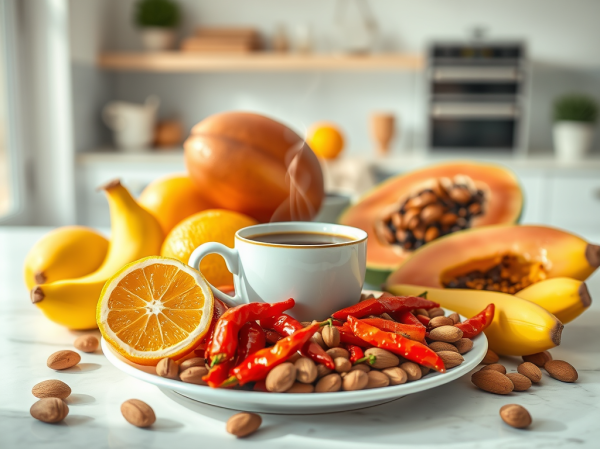
Start with banana, papaya, or soaked almonds — these are gentle and soothing.
2. Coffee First Thing in the Morning
For many people, coffee is the first thing they reach for.
But drinking coffee on an empty stomach can do more harm than you think.
Why it’s not ideal:
Coffee increases stomach acid
Can cause acidity or burning
May lead to anxiety or shakiness
Can irritate the gut if taken before any food
Better routine:
Have a small snack or breakfast before your coffee — even a handful of nuts helps.
3. Spicy Foods
Starting your day with spicy food forces your stomach to work harder when it should be easing into digestion.
Why avoid it in the morning:
Can irritate the stomach lining
May cause bloating
Increases chances of acidity
Not ideal before your digestive system “wakes up”
Better alternative:
Choose warm water, fruit, oats, or light breakfast foods to gently activate digestion.
✔️
A Simple Rule for a Happier Stomach
Your stomach is most sensitive in the morning.
So choose foods that are:
✔ Easy to digest
✔ Gentle
✔ Low in acidity
✔ Not too spicy or caffeinated
Starting your day with the right foods can keep your digestion smooth and your energy steady.
❤️
Final Thoughts
Small changes in your morning eating habits can make a big difference to your gut health.
Listen to your body, keep your mornings gentle, and your stomach will thank you!
Many people skip breakfast thinking it helps with weight loss — but your body reacts very differently when breakfast is skipped randomly versus intentionally through Intermittent Fasting. In this post, I’ll explain what actually happens to your energy, metabolism, and cravings when you skip breakfast, and who can safely skip it as part of a planned fasting routine. 🌿
Skipping Breakfast — Harmless Habit or Hidden Problem?
Hi! I’m Sonita, and welcome to Healthy Living Hub 💚
If you’re someone who often skips breakfast because you’re busy — or because you think it’ll help you lose weight — this post is for you.
Let’s understand what really happens in your body when breakfast is missing… and how it changes when you’re doing intermittent fasting intentionally.
1. Your Blood Sugar Drops
After 8–10 hours of sleep, your body is waiting for fuel.
Skipping breakfast keeps your blood sugar low, which can make you:
Tired
Irritable
Foggy
Craving sweets or junk
That mid-morning tiredness?
That’s your body asking for breakfast.
2. Your Metabolism Slows Down
Many people skip breakfast hoping to burn fat.
But actually, your body does the opposite — it slows down energy burn to “save” calories.
This means you may end up storing more fat, not burning it.
3. More Cravings Later
When you skip breakfast randomly, the body will push you towards quick energy —
usually sugary or salty snacks.
Most people eat more calories later without realising it.
But What If You’re Doing Intermittent Fasting (IF)?
This is where the story changes…
Intermittent Fasting involves a planned eating window (like 16:8 or 14:10).
In this case, skipping breakfast is not careless — it’s part of a routine.
✔ When skipping breakfast
IS OKAY
If you are:
Following a proper fasting window
Eating balanced meals during your eating time
Staying hydrated
Feeling energetic and comfortable
Not doing it randomly
Then skipping breakfast is perfectly fine — your body adjusts smoothly.
When Intermittent Fasting Is NOT Suitable
IF may not suit you if you have:
Low blood sugar
Thyroid issues
Acid reflux
Irregular eating habits
Pregnancy or breastfeeding
Weakness / dizziness
In these cases, eating breakfast is important.
Bottom Line
Skipping breakfast randomly slows your metabolism and affects your energy.
Skipping breakfast as part of intermittent fasting can be safe —
if your body is comfortable and your routine is consistent.
Listen to your body.
Give it what it needs.And start your mornings with care
Have you ever finished your meal so quickly that you barely remember tasting it?
I’ve done that too — especially on busy days when the clock feels faster than my appetite. But did you know that rushing through your meals can quietly affect your digestion, your energy, and even your mood?
Let’s take a closer look at what really happens inside your body when you eat too fast — and how slowing down can make a big difference.
🧠 Your Brain Needs Time to Catch Up
When you start eating, your brain doesn’t immediately know that food is coming. It takes around 15–20 minutes for the “I’m full” signal to travel from your stomach to your brain.
If you eat too quickly, you can easily overeat before your brain gets the message. That’s why you often feel too full or uncomfortable after a rushed meal.
🍽️ Your Stomach Works Overtime
Eating fast means your food isn’t chewed properly. Larger food pieces make your stomach work harder to digest them.
The result?
Bloating
Indigestion
Gas or discomfort after meals
Slower eating allows digestive enzymes to do their job smoothly — helping your body absorb nutrients better.
⚖️ Your Blood Sugar May Spike
When food enters your system too quickly, your blood sugar levels can rise sharply — especially if your meal includes refined carbs or sugary items.
Frequent spikes like these can leave you feeling tired, hungry again soon, or craving sweets.
💚 Slow Eating = Mindful Eating
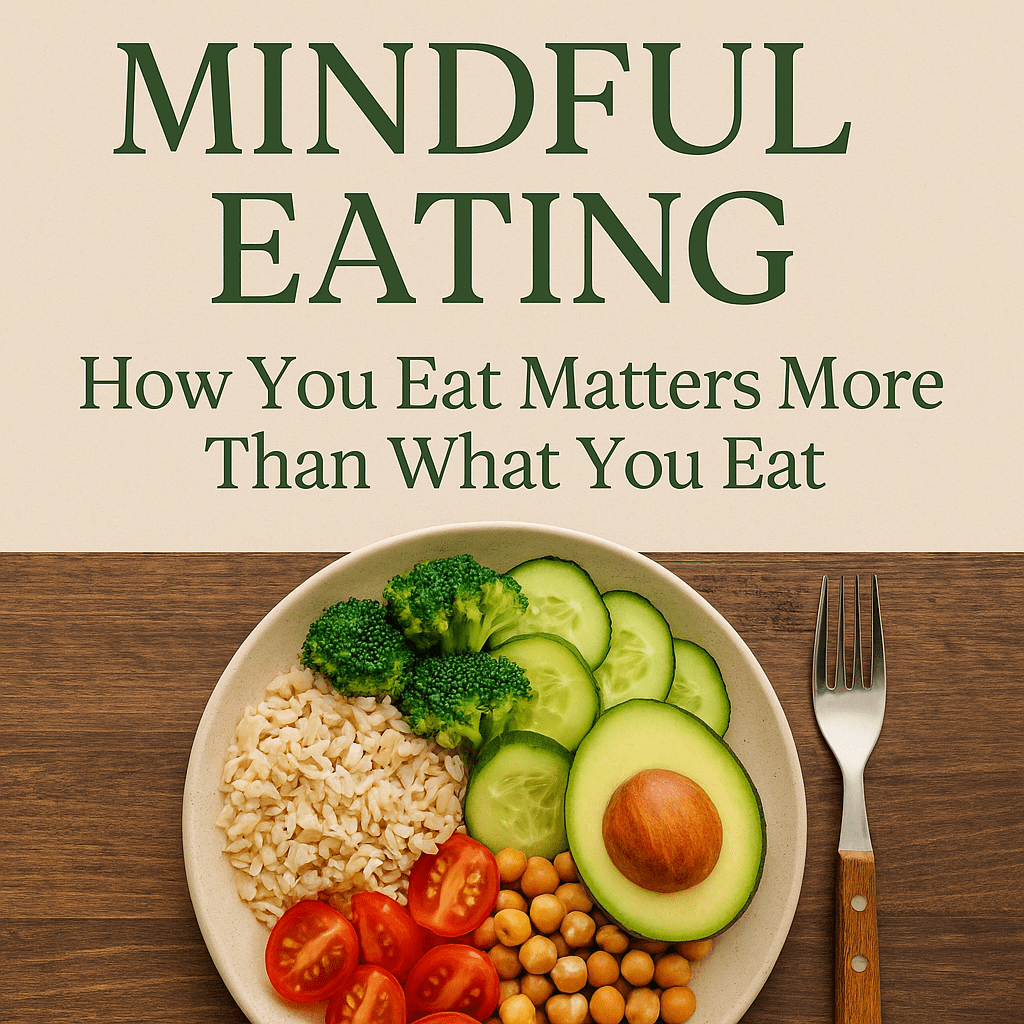
Eating slowly isn’t just about manners — it’s about mindfulness.
When you take smaller bites, chew well, and actually taste your food, you’re not only helping your digestion but also giving your mind a chance to relax.
You enjoy your meal more — and your body feels satisfied with less.
🌿 Try This Today
Next time you eat:
Put your spoon or fork down between bites.
Take a deep breath before your first bite.
Focus on the flavors and textures.
These small steps can help you feel lighter, more energetic, and more connected to your food.
✨ A Gentle Reminder
Eating slowly is a form of self-care. It’s not about dieting or control — it’s about listening to your body and giving it the time it deserves.
So today, take a moment to slow down… your body will thank you. 💚
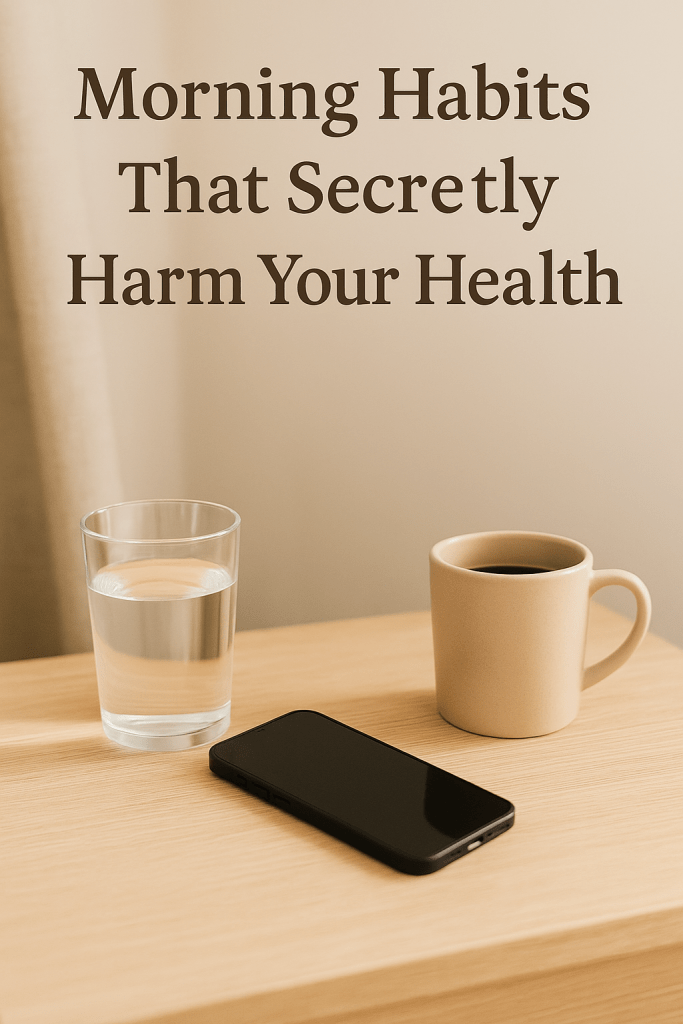
We all want to start our mornings right — fresh, calm, and full of energy. But sometimes, without realising it, we begin the day in ways that quietly drain our body and mind.
Here are a few common morning habits that might be secretly harming your health — and how to fix them.
☕
1. Reaching for Your Phone the Moment You Wake Up
If checking messages or social media is the first thing you do, you’re flooding your brain with stress before it’s even fully awake.
Your mind goes from rest to rush mode instantly — which can raise anxiety and lower focus for the rest of the day.
Try this instead:
Take the first 10 minutes just for yourself. Sit quietly, stretch, breathe deeply, or drink water before touching your phone.
Let your brain wake up gently, not digitally.
🚫
2. Skipping Water, Going Straight to Tea or Coffee
After 6–8 hours of sleep, your body is naturally dehydrated. Coffee or tea without water first only adds more acidity and stress hormones.
Try this instead:
Drink a full glass of water before your morning beverage. It rehydrates you, boosts digestion, and wakes you up naturally.
🛋️
3. Sitting Too Long After Waking Up
Many of us scroll, plan, or just sit still after waking. But your body needs gentle movement to activate blood flow and metabolism.
Try this instead:
Do light stretching, walk around your room, or step outside for 5 minutes. Movement tells your body — “the day has begun.”
🍞
4. Skipping Breakfast or Eating Too Late
Skipping breakfast slows your metabolism and may lead to overeating later. Eating too late can make you sluggish through the morning.
Try this instead:
Eat something simple and balanced within an hour of waking — like fruit, soaked nuts, or light home-cooked breakfast.
😩
5. Starting the Day in a Rush
Waking up late, multitasking, rushing through breakfast — it all raises your stress hormones before the day even begins.
Try this instead:
Wake up 15 minutes earlier. Keep your mornings calm and slow — your entire day will feel different.
✨ The Bottom Line
A healthy morning isn’t about perfection — it’s about intention.
When you begin your day with calmness and awareness, your body responds with energy, balance, and focus.
We often talk about what to eat for good health — but hardly ever about how to drink. The truth is, even the simplest habit like the way we drink water can change how we feel every day. Here’s what I learned about mindful hydration — and why your gut will thank you for it.
Are You Drinking Water the Right Way? What Your Gut Is Trying to Tell You
(By Sonita – Healthy Living Hub)
Have you ever felt tired, anxious, or heavy — even after eating right, sleeping enough, and doing “everything healthy”?
In my previous post, I spoke about how our gut and brain constantly talk through a secret nerve pathway called the vagus nerve. This connection controls so much more than we realize — our mood, digestion, and even our motivation.
But here’s something I recently discovered:
Even this gut-brain connection depends on how we drink water.
🌿 My Little Realisation
There was a time when I used to gulp down two full glasses of cold water right after my meals — thinking it would help digestion.
But instead, I often felt bloated, sleepy, and sluggish.
It puzzled me for a long time.
I wasn’t overeating. My food choices were decent. So what was wrong?
One day, while reading about mindful hydration, I stumbled upon something simple yet eye-opening:
Cold water immediately after meals dilutes the digestive acids that our stomach uses to break down food. It’s like putting out a fire when it’s just starting to cook your meal!
So I made a small change — I started sipping warm water slowly, especially in the morning and between meals.
Within days, I noticed the difference. My digestion felt lighter, my energy stayed stable, and surprisingly, even my skin started looking better.
💧 Simple Changes That Made a Big Difference
Here are the tiny yet powerful water habits that transformed my daily rhythm — and they might help you too:
🥛 1. Sip, Don’t Gulp
Your stomach likes gentleness. When you sip slowly instead of gulping, water mixes naturally with your saliva and helps digestion begin right in your mouth.
🪷 2. Sit While Drinking
Standing and drinking makes water rush through your system too fast. Sitting allows your body to absorb it calmly — just the way nature intended.
☀️ 3. Start Your Day with Warm Water
Before tea, before coffee — try one glass of warm water. It wakes up your digestive system softly and helps flush out toxins collected overnight.
🍽️ 4. Avoid Drinking Too Much Right After Meals
Give your body at least 30 minutes before or after eating. That way, stomach acids can do their job without being diluted.
💧 5. Listen to Your Body
You don’t need to force eight glasses a day. Let your body’s thirst guide you — that’s its way of saying “I need hydration now.”
🌸 The Hidden Connection
Our gut, brain, and water share a quiet conversation every single day.
When we drink mindfully — slowly, warmly, and with awareness — we help that connection stay strong and balanced.
The next time you pick up your glass of water, pause for a moment.
Sip slowly.
Because every drop is not just hydrating your body — it’s calming your gut, clearing your mind, and refreshing your energy from within.
🎥 Watch the Story on My YouTube Channel
I’ve shared this same topic in a calm, storytelling-style video on my YouTube channel – Healthy Living Hub by Sonita.
You’ll find it peaceful, simple, and practical — just like a slow sip of warm water on a quiet morning.
👉 Watch the video here (Add your video link once uploaded)
🌿 Final Thought
We all know water is essential — but when we treat it with the same mindfulness we give our food, it truly becomes healing.
So today, make a small promise to yourself:
Drink water the right way.
Your gut, your mind, and your entire body will thank you. 💧
Have you ever noticed how your stomach reacts when you’re stressed, anxious, or even excited? A flutter before a big presentation, that tight knot when you’re nervous, or even butterflies when you’re happy — they’re not just in your head. They’re in your gut too.
We often think of our brain as the command center for all emotions, but surprisingly, our gut has a lot to say in that conversation. In fact, scientists now call the gut our “second brain.” And trust me, it’s not just a fancy term — it’s real science.
The Brain–Gut Connection: More Powerful Than You Think
Our gut and brain constantly talk to each other through something called the gut-brain axis. It’s like a private communication line between the two — carried through nerves, hormones, and millions of tiny messengers.
So when your gut is happy, calm, and balanced, your mind often feels the same. But when your gut bacteria are out of balance (what doctors call gut dysbiosis), it can trigger anxiety, brain fog, irritability, or even mild depression.
Meet Your Mood Managers: The Gut Microbes
Here’s the amazing part: around 90% of the body’s serotonin — the “happy hormone” that boosts mood and relaxation — is actually produced in the gut!
Yes, you read that right. Not in your brain — but in your gut.
That means if your gut is inflamed, sluggish, or filled with the wrong kind of bacteria, it can directly affect how happy or calm you feel.
Think of your gut bacteria as little mood managers — they help produce and regulate neurotransmitters like serotonin, dopamine, and GABA, which influence sleep, motivation, and stress response.
How Food Affects Your Feelings
What you eat directly shapes your gut microbiome, and that, in turn, shapes your emotions. It’s that simple and that deep.
When you eat:
Fermented foods (like homemade curd, idli, dhokla, or kanji) → you feed good bacteria that support calmness and focus.
Fiber-rich foods (like vegetables, fruits, oats, and lentils) → you provide fuel for those bacteria to thrive.
Processed or sugary foods → you feed the “bad guys,” leading to more inflammation and unstable moods.
I often tell myself — if my mood swings are getting worse or I’m feeling off for no reason, maybe it’s not “just in my head.” Maybe it’s in my gut.
Listen to Your Gut (Literally!)
Next time your stomach feels bloated, uneasy, or heavy after eating, don’t just brush it off. It’s your gut trying to talk to you.
Try to notice:
How you feel after certain meals.
Whether you’re eating slowly or rushing through.
If your sleep or stress is affecting your digestion.
Because your gut is more emotional than you think — it remembers, reacts, and responds to how you live every single day.
Small Steps to Heal Both Gut and Mood
Start your morning with warm water and a calm mind. It wakes up digestion gently.
Add one fermented food daily. A small bowl of curd, a glass of buttermilk, or homemade pickle counts.
Cut down on ultra-processed food. They kill your good bacteria silently.
Chew slowly. Your brain gets time to register that you’re eating — digestion actually begins in the mouth!
Sleep well. Your gut microbes repair themselves at night.
Final Thoughts
We often separate mental health and physical health as if they belong to different worlds. But the truth is — they live in the same house. One affects the other.
So next time you feel low or anxious, don’t just reach for coffee or your phone for distraction. Maybe sit back, take a deep breath, and ask — “Is my gut okay today?”
Because when your gut feels good, your mind often follows.
A Little Note From Me
I started paying attention to my gut health recently — eating slowly, adding curd to my meals, and cutting down on packaged food. And honestly, I could feel the difference. My energy became steadier, my mood lighter. It felt like my body and mind finally started speaking the same language.
Sometimes, small mindful changes do more than any medicine or motivational quote ever can.
Hi, I’m Sonita — the voice behind Healthy Living Hub. I share simple, science-backed tips to live a healthier, more balanced life — one mindful choice at a time.
Salt is one of the most common ingredients in our kitchen. A pinch can make food delicious, while a little extra can ruin the whole dish. But beyond taste, salt has always carried a mixed reputation — some say it’s harmful, others claim certain types are “healthier.” So, what’s the real story?
Why Do We Need Salt at All?
Salt isn’t just about flavor. Our body actually needs sodium (the main mineral in salt) for:
Maintaining fluid balance
Proper nerve and muscle function
Regulating blood pressure
Without sodium, our body simply cannot function well. The problem starts when we eat too much of it.
How Much Salt Is Too Much?
Most health guidelines suggest about one teaspoon (5 grams) of salt per day. But the reality? Many of us consume almost double that amount, often without realizing it.
Processed foods, snacks, pickles, sauces, breads — all silently pack in extra salt.
Even if you don’t add “extra” salt at the table, you might already be crossing your daily limit.
The Risks of Excess Salt
Eating too much salt for a long time can lead to:
High blood pressure (the biggest risk factor)
Heart disease and stroke
Kidney problems
Water retention and bloating
Are All Salts the Same?
Table Salt: The common white salt, usually fortified with iodine (important to prevent goiter).
Rock Salt (Sendha Namak): Less processed, often used during fasting, but nutritionally similar.
Himalayan Pink Salt: Trendy and pretty, contains trace minerals, but you’d have to eat a huge amount to get real benefit — and that’s not practical. 👉 The truth is: no matter the type, salt is salt. The key is moderation.
Smart Tips to Reduce Salt Without Losing Taste
Add lemon juice, herbs, or spices to enhance flavor naturally.
Taste your food before sprinkling extra salt.
Cut down on packaged snacks and instant foods.
Train your taste buds — when you slowly reduce salt, your body adjusts.
Final Thought
Salt isn’t your enemy. It’s about balance. Your body needs it, but only in the right amount. Remember, it’s not about choosing pink or white salt — it’s about choosing less.
So next time you reach for that extra pinch, pause and think: Do I really need it, or is it just a habit?
Hi, I’m Sonita — the voice behind Healthy Living Hub. I share simple, science-backed tips to live a healthier, more balanced life — one mindful choice at a time.
If I ask you, “What’s the easiest, cheapest, and most natural way to feel healthier?”—would you believe the answer is a glass of water?
We all talk about diets, workouts, supplements, and miracle drinks. But the truth is, the real miracle has always been right in front of us—plain, simple water.
💧 Why Water is Your Body’s Best Friend
Our body is about 60–70% water. Every single cell, tissue, and organ needs it. Still, most of us forget to drink enough and then wonder why we feel tired, bloated, or crave unnecessary snacks.
Here’s what water really does:
• Boosts energy – Dehydration is one of the fastest ways to feel drained. A glass of water can wake you up more naturally than coffee.
• Aids weight loss – Many times, what we think is “hunger” is just thirst. Drinking water before meals helps prevent overeating. It also supports digestion and metabolism.
• Keeps your brain sharp – Even mild dehydration can affect focus, memory, and mood.
• Detox naturally – Your kidneys rely on water to flush out toxins efficiently.
🚱 What Happens When You Don’t Drink Enough
Skipping on water might not feel like a big deal at first, but here’s what really happens:
• Constant tiredness or fatigue
• Headaches and dizziness
• Dry skin and chapped lips
• Constipation and bloating
• Strong sugar or junk food cravings
• In severe cases, kidney issues and urinary infections
Your body gives you signals—dry mouth, dark urine, irritability. Sadly, we often ignore them.
💡 How Much Water Do You Really Need?
The classic advice is 8 glasses a day. But in reality, it depends on your body, activity level, and climate. A good thumb rule is:
• 2–3 liters daily for adults (more if you sweat a lot or live in hot weather)
• Keep sipping throughout the day instead of gulping all at once
• Check your urine color—it should be pale yellow, not dark
🌟 Quick Tips to Make Drinking Water a Habit
• Start your morning with a big glass of water—it sets the tone for the day.
• Carry a reusable bottle wherever you go.
• Flavor it with lemon, cucumber, or mint if plain water feels boring.
• Set gentle reminders on your phone or tie it with your routine (e.g., drink a glass every time you check emails).
🥤 Final Thought
Water is not just about quenching thirst—it’s the foundation of good health. If you’re trying to lose weight, boost your energy, or simply feel better, start with this simplest habit: drink enough water.
Sometimes, the answers we’re looking for are not complicated—they’re as clear as water.
Hi, I’m Sonita — the voice behind Healthy Living Hub. I share simple, science-backed tips to live a healthier, more balanced life — one mindful choice at a time.