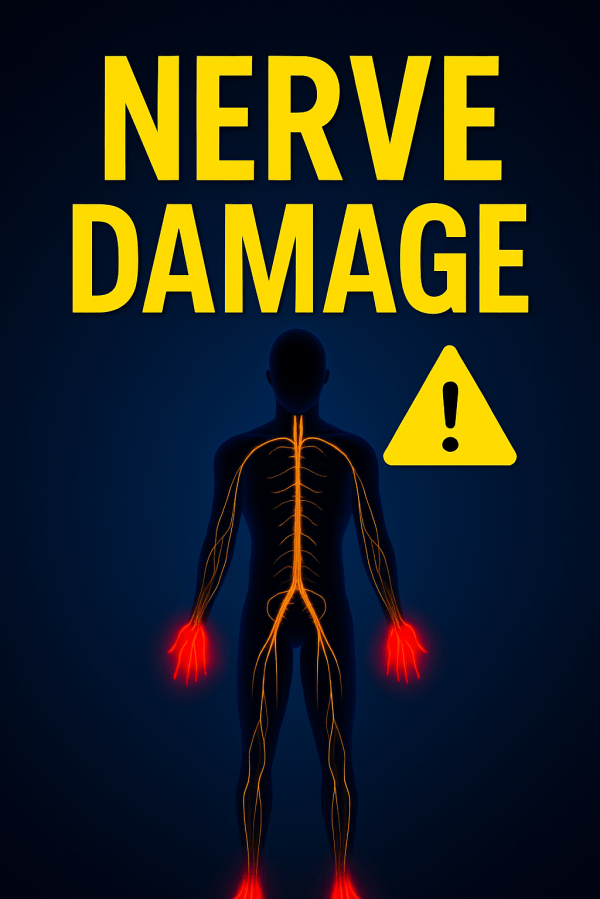
3 Silent Signs Your Nerves Are Getting Damaged (Don’t Ignore These!)

Introduction

Nerve damage doesn’t usually announce itself loudly.

It often starts with small, easily ignored symptoms — until the damage becomes difficult to reverse.

Your nerves control sensation, movement, and coordination. When they begin to weaken, your body quietly sends warning signals. Recognising these early signs can help prevent long-term complications.

Here are three silent signs of nerve damage you should never ignore.

1️⃣ Tingling or Numbness in Hands and Feet

A frequent pins-and-needles sensation, numbness, or reduced feeling — especially in the hands or feet — is often one of the earliest signs of nerve damage.

This can be linked to diabetes, vitamin B12 deficiency, or poor blood circulation. Many people ignore it, assuming it’s temporary, but persistent tingling deserves attention.

2️⃣ Burning Pain or Electric-Shock Sensations

Nerve irritation can cause sharp, burning pain or sudden electric-shock-like sensations, even without injury.

These sensations may appear at night or while resting and are a common sign of nerve inflammation or compression.

3️⃣ Weakness or Loss of Balance

If you feel unusually weak, clumsy, or notice difficulty with balance or coordination, damaged nerves may be affecting muscle control.

This can increase the risk of falls and injuries, especially in older adults.

Why Nerve Damage Happens

Some common causes include:

  • Diabetes and insulin resistance
  • Vitamin B12 deficiency
  • Poor blood circulation
  • Prolonged sitting or repetitive strain
  • Long-term stress on nerves

Final Thoughts

Nerve damage can worsen silently over time.

The earlier you recognise the signs, the better your chances of slowing or preventing further damage.

If you notice these symptoms regularly, don’t ignore them — listen to what your body is telling you.

3 Hidden Signs of Poor Blood Circulation You Shouldn’t Ignore

Do your hands or feet feel cold even when the weather isn’t?

Many people brush this off as normal. But sometimes, this is your body quietly asking for help.

Poor blood circulation rarely causes pain in the beginning. Instead, it shows up through small, easy-to-miss signs. Recognizing them early can help prevent bigger health problems later.

Let’s look at three hidden signs of poor blood circulation you shouldn’t ignore.

1️⃣ Cold Hands or Feet in Normal Weather

You’re sitting comfortably at home, yet your hands or feet feel unusually cold.

This often happens when blood is not reaching your extremities efficiently.

Healthy blood flow helps regulate body temperature. When circulation slows down, the hands and feet are usually the first to feel it.

2️⃣ Tingling, Numbness, or Pins-and-Needles Sensation

Do you sometimes feel tingling or numbness in your hands or feet?

This can occur when nerves don’t receive enough oxygen and nutrients from proper blood flow. Over time, poor circulation may affect nerve health, leading to these uncomfortable sensations.

3️⃣ Small Cuts Taking Longer to Heal

Another silent sign is slow healing.

If small cuts or wounds take longer than usual to heal, it may be because poor circulation is slowing your body’s natural repair system. Blood plays a key role in delivering healing nutrients to injured areas.

A Gentle Reminder

These signs don’t shout.

They whisper.

But if ignored, poor blood circulation can slowly damage nerves and vital organs. Paying attention early gives your body the care it deserves.

Is Your Blood Sugar Rising Silently? 5 Early Signs You Should Never Ignore

Most people think blood sugar rises only when we eat too much sugar.

But the truth is — your body gives early warnings long before diabetes develops.

If you catch these signs on time, you can reverse the damage easily.

Here are 5 silent early signs that your blood sugar is slowly rising.

1. You Feel Hungry Right After a Meal

If you feel hungry even after eating properly, it means:

  • Your cells are not getting energy
  • Glucose is staying in the blood
  • The pancreas is struggling to release enough insulin

This is one of the earliest signs of insulin resistance.

2. You Feel Sleepy or Tired After Eating

If you feel like lying down or taking a nap after lunch/dinner, it’s not normal.

This happens when:

  • Blood sugar spikes quickly
  • The pancreas releases too much insulin
  • Your energy crashes suddenly

This “energy crash” is a major early warning.

3. You Are Always Thirsty, Even in Winter

This is because excess sugar pulls water out of your tissues.

You may notice:

  • Dry mouth
  • Feeling thirsty at night
  • Frequent water breaks

If you are thirsty without any reason, check your sugar.

4. You Are Gaining Weight Around Your Belly

High blood sugar forces the body to store more fat—especially around the stomach.

Belly fat is not just fat;

it is a sign of insulin resistance.

Even slim people can have high blood sugar if they have belly fat.

5. You Are Waking Up at Night to Pee

When sugar rises:

  • The kidneys work extra to flush it
  • You feel the urge to urinate at night
  • Sleep becomes disturbed

If this happens frequently, don’t ignore it.

Why Does Blood Sugar Rise Silently?

Because the pancreas tries to “save you” quietly by releasing more and more insulin.

By the time symptoms appear, insulin is already struggling.

That’s why early detection is extremely important.

How to Control Blood Sugar Naturally (Simple Tips)

✔ Eat more fiber (dal, vegetables, fruits with skin)

Slows down sugar spikes.

✔ Add protein to every meal

Helps keep sugar stable (eggs, paneer, curd, chana, nuts).

✔ Walk 10 minutes after every meal

This alone can reduce sugar spikes by 30–40%.

✔ Reduce white carbs

White bread, maida, sweets, sugary drinks.

✔ Sleep 7 hours

Poor sleep increases insulin resistance immediately.

Final Message

Blood sugar does not rise in one day.

Your body gives warnings — we just have to listen.

If you notice these signs, take small steps today.

They can protect you from prediabetes and diabetes tomorrow.

Watch here👇

3 Silent Signs Your Heart Is Getting Weak — Don’t Ignore These!

Your heart works non-stop — beating over 100,000 times a day. But when it starts getting weak, the early signs are often so subtle that people ignore them.

Here are three silent signals your heart may be struggling:

1️⃣ Shortness of Breath During Simple Activities

If you feel breathless while climbing a few steps, walking fast, or doing light chores, it may be a sign your heart isn’t pumping enough blood.

✔ Happens suddenly

✔ Feels unusual for your normal fitness

✔ Gets worse when lying down

This is one of the most common early warning signs.

2️⃣ Chest Pressure or Tightness That Comes and Goes

Not sharp pain — but a dull pressure, heaviness, or tightness in the center of the chest.

✔ May feel like someone is pressing on your chest

✔ Can come and go

✔ Often ignored as “gas” or “stress”

This symptom should never be ignored.

3️⃣ Swelling in Feet, Ankles, or Legs

When the heart weakens, it can’t pump fluid effectively.

This causes fluid to collect in the lower body.

✔ Ankles look puffy

✔ Shoes feel tighter

✔ Swelling is worse in the evening

This is a classic sign of early heart weakness.

❤️ 

How to Support a Healthy Heart

  • Reduce salt and processed foods
  • Stay active (even 20–30 min walking helps!)
  • Manage stress
  • Avoid smoking and excessive alcohol
  • Get regular blood pressure and cholesterol checks

Your heart works for you every second.

Take care of it today — your future self will thank you. ❤️

3 Silent Signs Your Pancreas Is Getting Weak — Don’t Ignore These Early Signals

Your pancreas works quietly every day, helping you digest food and control your blood sugar.

But when it starts getting weak, your body gives small, early warning signs. These signs are easy to ignore — but noticing them early can protect you from serious health issues later.

Here are 3 silent signs your pancreas may be struggling:

1️⃣ Frequent Bloating or Indigestion After Meals

If you feel heavy, gassy, or bloated shortly after eating, it may be because your pancreas isn’t producing enough digestive enzymes.

This can make even simple meals feel uncomfortable.

✔ Happens especially after oily or heavy food

✔ May be worse in the evenings

2️⃣ Sudden Greasy or Pale Stools

This is a major early indicator.

When your pancreas can’t break down fat properly, stools may become:

  • Greasy
  • Pale
  • Large
  • Difficult to flush

This means fat is passing through your system undigested.

3️⃣ Unexplained Upper Belly or Back Discomfort

Pancreatic stress often shows up as a dull ache in:

  • The upper middle part of your belly
  • Or spreading to your back

It may come and go, and many people mistake it for gas or acidity.

💡 How to Protect Your Pancreas

  • Eat smaller, more frequent meals
  • Cut down on fried and processed foods
  • Avoid smoking and heavy alcohol
  • Add enzyme-rich foods like papaya, pineapple, and probiotics
  • Stay hydrated

Your pancreas is a small organ with a big job — treat it well today to avoid problems tomorrow.

watch here👇

3 Dangerous Habits That Damage Your Liver Before Age 40”

Your liver is always working for you—even when you’re sleeping, eating, or going through a busy day. But without realising it, many of us follow certain habits that slowly stress the liver and cause long-term damage.

Here are three common habits that harm your liver before you turn 40, and most people don’t even know they are doing it.

1. Sleeping Late Every Night

Your liver performs its most important repair and detox work between 11 pm and 3 am.

If you sleep late, the liver doesn’t get enough time to complete this process.

This can lead to fatigue, hormonal imbalance, and even fatty liver over time.

Fix: Try to sleep by 10:30–11 pm at least 4–5 days a week. Your liver heals best when you rest.

2. Eating Too Much Fried or Packaged Food

Chips, aloo chops, samosas, instant noodles, biscuits, bakery items, and even some “healthy” packaged snacks all contain excess sugar, salt, and unhealthy fats.

These ingredients slowly increase liver fat and inflammation, pushing your liver to work harder every day.

Fix: Enjoy these foods sometimes—not daily. Add more fruits, vegetables, homemade meals, and water to your routine.

3. Skipping Breakfast Regularly

If you skip breakfast often, your liver starts releasing extra stored sugar to keep your energy up.

This makes the liver work overtime and can increase fat build-up in the long run.

Fix: Even something simple like fruits, poha, upma, eggs, or a handful of nuts is better than skipping breakfast.

Final Thought

Small changes can protect your liver for life. Start with one habit at a time—your body will thank you later.

If you want more simple health tips like this, keep following Healthy Living Hub!

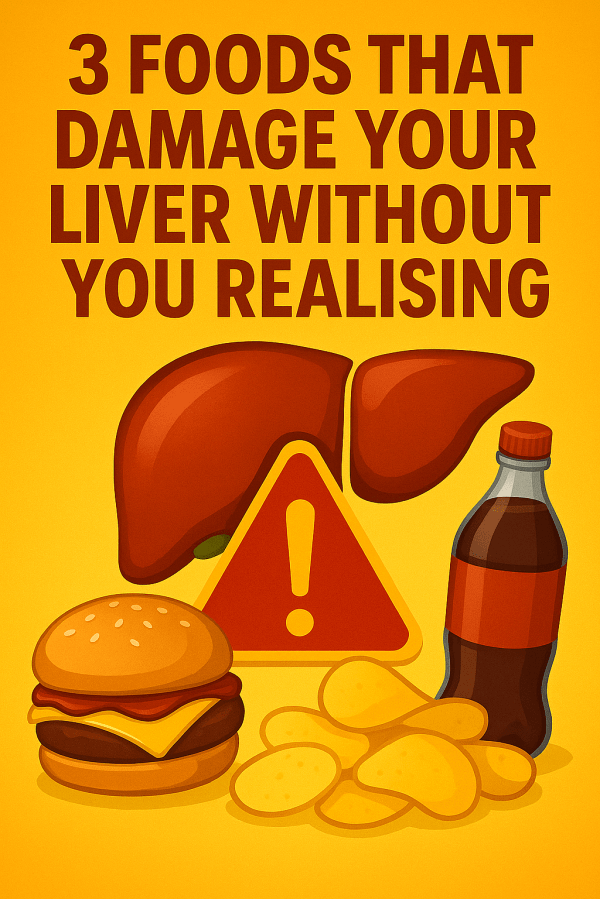
3 Foods That Damage Your Liver Without You Realising ⚠️

Your liver works silently all day — filtering toxins, digesting food, balancing hormones, and keeping your energy levels stable.

But the truth is… many everyday foods can slowly weaken your liver without showing any early symptoms.

You may feel perfectly fine on the outside, but inside, your liver may be struggling.

Here are 3 common foods that can silently damage your liver if eaten regularly.

1️⃣ Soft Drinks (Even Zero-Sugar Drinks)

Soft drinks overload your liver with:

  • High amounts of fructose
  • Artificial sweeteners
  • Chemical preservatives
  • Artificial colors

Even “diet” or “zero sugar” drinks are not harmless. They confuse your metabolism and increase inflammation inside the liver.

What happens?

  • Liver fat increases
  • Detox capacity reduces
  • Risk of fatty liver rises — even if you’re slim

Better alternatives:

Lemon water, coconut water, plain soda, homemade fruit-infused water.

2️⃣ Deep-Fried Foods (Especially Street Food)

Samosas, pakodas, fries, chicken popcorn — all may taste amazing, but they are hard on your liver.

Most fried foods are cooked in:

  • Reused oil
  • Very high heat
  • Oils high in omega-6

This creates toxic compounds that your liver must break down.

Results:

  • Liver inflammation
  • Slower digestion
  • Fat buildup

Even “occasional” deep-fried foods can create issues when combined with stress and low sleep.

Better alternatives:

Air-fried snacks, roasted chana, baked samosa, homemade fries.

3️⃣ Processed Snacks (Chips, Biscuits, Packaged Namkeen)

These are convenient but harmful because they contain:

  • Trans fats
  • Too much sodium
  • Artificial flavor enhancers
  • Preservatives

Your liver has to work extra hard to filter out these chemicals.

Over time this leads to:

  • Fatty liver
  • Water retention
  • Cravings
  • Low energy

Better swaps:

Peanuts, makhana, fruits, yoghurt, homemade trail mix.

Why This Matters

Your liver doesn’t scream for help in the beginning.

It gives silent hints like:

  • Low energy
  • Bloating
  • Mild acidity
  • Poor sleep
  • Craving sugar

Avoiding these foods can reduce the hidden stress on your liver and support long-term health.

⭐ 

How to Protect Your Liver Naturally

✔ Increase fruits & vegetables

✔ Add garlic, turmeric & beetroot

✔ Drink more water

✔ Reduce alcohol & sugary drinks

✔ Get 7–8 hours of sleep

Small changes make a big difference.

Final Thoughts

You don’t have to completely “cut out” these foods — just eat them less often and give your liver a chance to recover.

Your liver works silently for you every day… let’s support it with simple habits.

Watch here👇

3 Foods That Clean Your Liver Naturally 🍏

Your liver works silently every second — filtering toxins, breaking down fats, and keeping your body energized.

But poor diet, stress, and daily habits can make your liver overworked.

The good news?

A few simple foods can strengthen your liver and help it detox naturally.

Here are 3 scientifically backed foods that support liver health:

1️⃣ Garlic – The Natural Detox Activator

Garlic contains a compound called allicin, which boosts your liver’s ability to flush out toxins.

It also reduces inflammation and helps prevent fat buildup inside the liver.

📌 Tip:

Eat 1 clove of raw or lightly cooked garlic daily. Add it to soups, stir-fries, or warm water.

2️⃣ Turmeric – The Golden Liver Protector

Turmeric’s active ingredient, curcumin, is known to reduce liver inflammation and improve detox function.

It also helps slow down fat accumulation — making it helpful for people with fatty liver.

📌 Tip:

Add ½ teaspoon turmeric to milk, warm water, tea, or curries every day.

3️⃣ Beetroot – The Liver Cleanser

Beetroot is rich in antioxidants called betalains, which repair liver cells and improve blood flow.

It also helps your liver break down fats more efficiently.

📌 Tip:

Drink beetroot juice or add it to salads, smoothies, or roasted dishes.

⭐ 

Final Note

Your liver works 24/7 — give it the support it deserves with these natural, everyday foods.

Small changes truly make a big difference in the long run.

3 Early Signs Your Liver Is Becoming Fatty (Even If You’re Slim)

Most people think fatty liver only happens if you’re overweight or eat too much junk food. But that’s not true anymore. Today, even thin and active people are developing fatty liver because of stress, poor sleep, wrong eating habits, and too much sugar.

The good news?

Your body gives early warning signs—you just have to notice them.

Here are three simple symptoms you should never ignore.

1. Constant Fatigue

Do you feel tired all the time… even after sleeping well?

This is one of the first signs of fatty liver. When the liver starts storing fat, it struggles to filter toxins properly. This makes your whole body feel heavy, dull, and slow.

If your energy crashes during the day or everything feels exhausting, don’t ignore it.

2. Discomfort or Heaviness on the Right Side

A fatty liver often causes a mild ache, tightness, or heaviness under your right ribcage.

Many people confuse it with gas, acidity, or bloating, but the liver sits exactly on the right side. When it gets enlarged or stressed, you start feeling pressure in that area.

The pain may not be sharp — it’s usually dull, annoying, and comes and goes.

3. Belly Fat That Appears Suddenly

If you suddenly gain fat around your stomach — even without eating more — your liver may be involved.

A fatty liver can’t break down fats properly, so your body starts storing fat around the waist.

If your upper belly looks swollen by evening or you feel bloated easily, this is another early sign.

Can Fatty Liver Be Reversed?

YES — fatty liver is one of the few conditions that can be fully reversed with simple changes:

  • Cut down sugar
  • Reduce deep-fried foods
  • Add more vegetables
  • Sleep well
  • Stay active
  • Hydrate properly

Your liver works silently every day… take care of it before it becomes overloaded.

Also watch👇

3 Early Signs Your Kidneys Need Attention (Don’t Ignore These!)

But the truth is — your kidneys quietly work 24/7 to filter toxins, balance fluids, control blood pressure, and keep you healthy.

When they start struggling, your body gives you early clues… but we often miss them.

Here are three simple signs your kidneys may be overworked.

1️⃣ Foamy or Bubbly Urine

If you notice frequent foam in your urine (not just once in a while), pay attention.

This can happen when protein starts leaking into the urine — something healthy kidneys normally prevent.

Why it matters:

Persistent foamy urine can be an early sign of kidney stress or dysfunction.

What you can do:

  • Stay hydrated
  • Reduce very salty and packaged foods
  • Get a urine test if it happens regularly

2️⃣ Puffy Eyes, Especially in the Morning

Waking up with swollen or puffy eyes may look normal after a late night…

But if it happens often, it may be connected to your kidneys.

When kidneys can’t balance fluids well, water begins to collect in tissues — and your eyes show it first.

Other clues:

  • Swollen feet or ankles
  • Face puffiness

What helps:

  • Drink enough water throughout the day
  • Cut down on salty snacks
  • Sleep 7–8 hours
  • Check your protein intake

3️⃣ One-Sided Lower Back Pain

Kidney pain usually appears on one side, slightly above your waist.

You may feel:

✔ A dull ache

✔ Pain that comes and goes

✔ Pain that worsens after drinking too little water

This pain feels different from muscle pain because it’s deeper and harder to pinpoint.

What helps:

  • Stay hydrated
  • Avoid holding your urine for long
  • Reduce painkillers (they strain kidneys)
  • See a doctor if the pain keeps returning

🌿 

How to Keep Your Kidneys Healthy

Small daily habits can make a big difference:

  • Drink enough water (6–8 glasses a day)
  • Reduce excess salt
  • Eat more fruits and vegetables
  • Avoid unnecessary painkillers
  • Stay active
  • Get regular blood pressure and sugar checks

Your kidneys don’t ask for much… just a little care ❤️

⭐ 

Final Thoughts

Most kidney problems start silently.

But your body gives small signals — and knowing them early can protect your health.

If any two symptoms from above feel familiar, don’t ignore them.

Your kidneys are precious — take care of them before they get overwhelmed.

Blog at WordPress.com.

Up ↑