
Understanding Carbohydrates: The Good and Bad for Your Health

Carbohydrates: Friend or Foe? Here’s the Truth You Should Know

Carbs — are they good or bad?

Many people say, “I’ve stopped eating carbs” or “Carbs make you gain weight.”

But the truth is: not all carbs are bad. Some are actually essential for your health!

Let’s understand what carbohydrates are, how they work in your body, and how to eat them the smart way.

What Are Carbohydrates?

Carbohydrates are the body’s main source of energy.

They fuel your:

  • Brain
  • Muscles
  • Daily activities

When you eat the right kind of carbs, your body stays active, focused, and balanced.

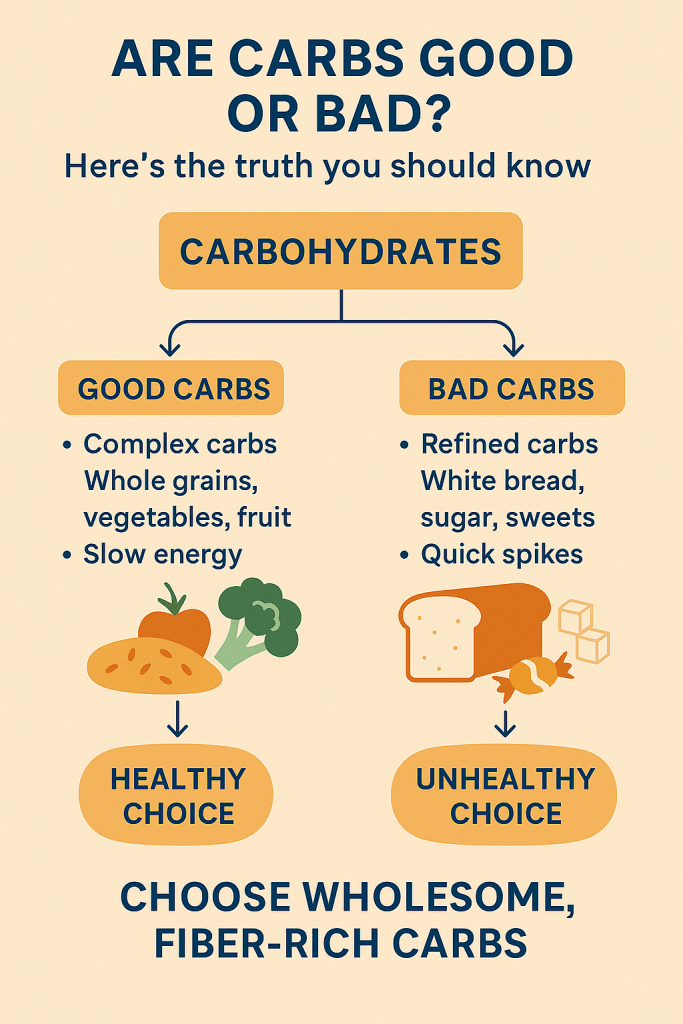
Good Carbs vs Bad Carbs

Not all carbs are the same. Let’s keep it simple:

Good CarbsBad Carbs
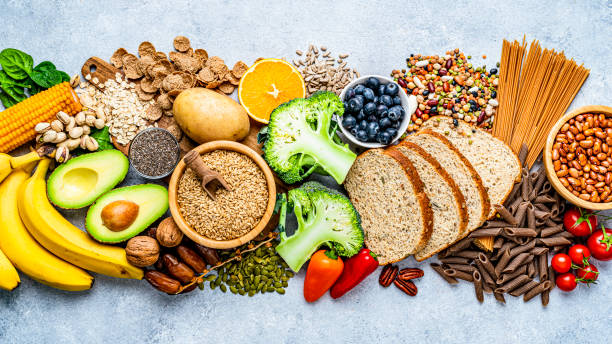
Whole grains (brown rice, oats, whole wheat)White bread, biscuits
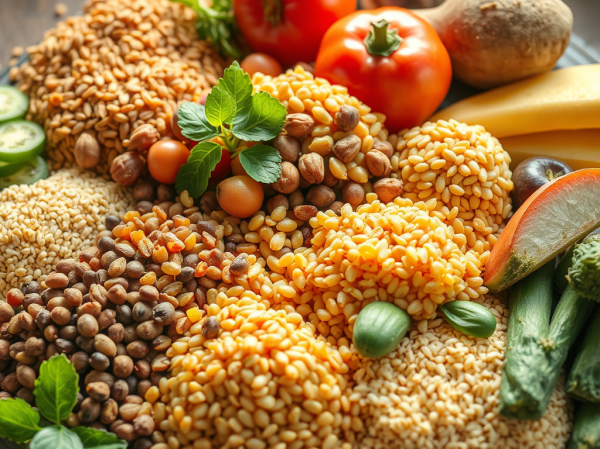
Lentils, dal, beans, vegetablesSugary snacks, sweets
Fruits (not juices!)Cold drinks, packaged foods

Good carbs give slow, steady energy and are full of fiber and nutrients.

Bad carbs give quick sugar spikes, make you hungry again soon, and offer very little nutrition.

Why You Need Good Carbs

Don’t skip carbs! Your body needs them for:

  • Long-lasting energy
  • Better digestion (thanks to fiber)
  • Balanced mood and focus
  • Healthy weight (when eaten in the right form)
  • Preventing cravings and overeating

What Happens If You Avoid Carbs Completely?

  • You may feel tired, weak, or dizzy
  • You might struggle to focus or remember things
  • You could have mood swings
  • Constipation may become a problem due to lack of fiber
  • Your body may break down muscle for energy

Carbs are not the enemy. It’s the type of carbs that matter.

Smart Tips to Choose Carbs Wisely

  • Choose brown rice, millets, or daliya instead of white rice (a few times a week)
  • Eat whole wheat roti instead of refined flour
  • Add vegetables and dal to every meal
  • Enjoy fruits (but skip the juices)
  • Limit sugary snacks and soft drinks

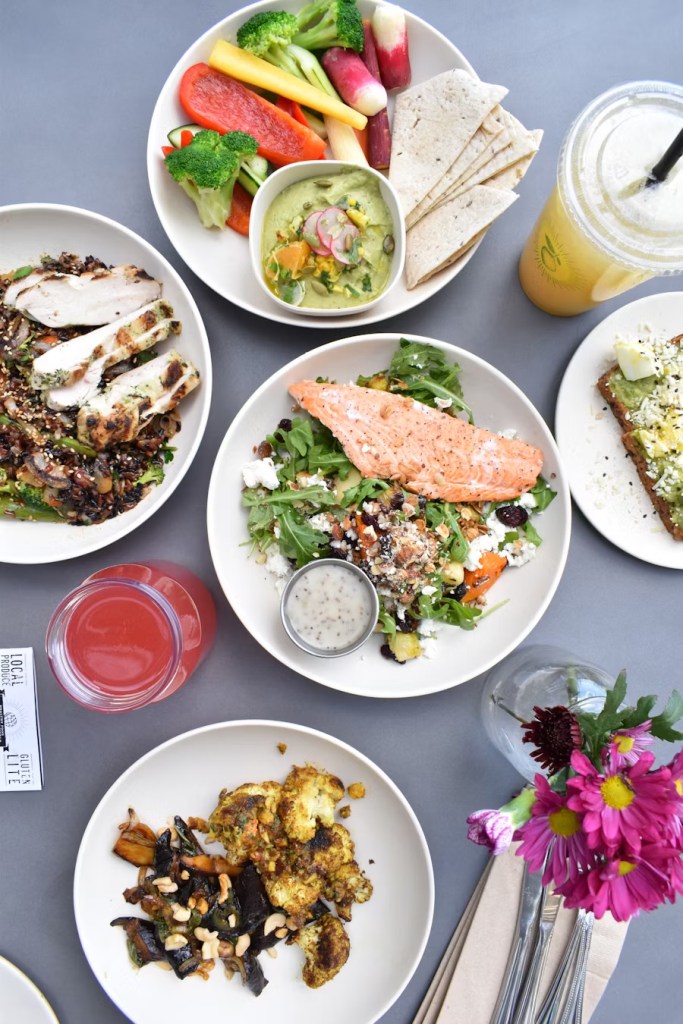
A colorful plate is often a healthy plate!

Final Thought

Carbs are not your enemy. Refined carbs are.

Eat real, whole foods and your body will thank you.

Make peace with carbs — choose them smartly, not fearfully!

Hi, I’m Sonita — the voice behind Healthy Living Hub. I share simple, science-backed tips to live a healthier, more balanced life — one mindful choice at a time. 
“I believe real health comes from small, consistent habits — not perfection.”
Essential Protein Guide: Daily Needs and Benefits

Proteins: How Much You Really Need and Why It Matters

We often hear “Eat more protein!” — but how much is actually enough?

Proteins are not just for gym-goers. Every cell, muscle, and organ in our body depends on protein to stay healthy and strong.

Let’s understand how much protein you really need based on your age, gender, and weight — and why it’s so important!

Why Is Protein So Important?

Protein is like the building block of your body. Without it, your body can’t function properly.

Here’s why you must include enough protein every day:

  • Builds muscles, bones, skin, and hair
  • Repairs tissues after wear and tear
  • Helps create important enzymes and hormones
  • Supports your immune system
  • Keeps you feeling full, active, and energetic

How Much Protein Do You Actually Need?

Your protein needs depend on your age, gender, and body weight.

Here’s a simple guide:

CategoryProtein Needed Per DayExample
Children (4–13 years)0.95 grams per kg of body weightA 30kg child needs about 28g
Teenagers (14–18 years)0.85 grams per kgA 50kg teen needs about 43g
Adult Men (19–65 years)0.8 grams per kgA 70kg man needs about 56g
Adult Women (19–65 years)0.8 grams per kgA 60kg woman needs about 48g
Pregnant Women1.1 grams per kgExtra protein needed to support the baby’s growth
Seniors (65+ years)1.0–1.2 grams per kgTo protect muscles and strength


Quick Tip:

To calculate your protein need →

Multiply your weight (in kg) × Recommended grams from the table above.

(Example: 60kg woman × 0.8g = 48g protein needed daily.)

What Happens If You Don’t Get Enough Protein?

Not eating enough protein can affect your health in many ways:

  • You may feel tired, weak, and low on energy
  • You might lose muscle strength
  • Your skin may become dry, hair can thin, and nails may break easily
  • Your body may heal slower after injuries
  • Your immune system can weaken, making you fall sick often
  • Your mood may become low or irritable

Simple Ways to Add More Protein to Your Daily Diet

Adding protein doesn’t mean eating heavy meals.

Here are easy ways to boost your daily intake:

  • Start your day with an egg or a bowl of curd
  • Add paneer, tofu, sprouts, or lentils to your lunch and dinner
  • Snack on nuts, seeds, or Greek yogurt
  • Choose fish, chicken, or dals regularly
  • Add chickpeas or beans to your salads
  • Try protein-rich smoothies with milk, fruits, and a spoon of nut butter

Final Thought

Protein is not a luxury. It’s a daily need for everyone — children, adults, and seniors.

Give your body the strength it deserves, one meal at a time!

A healthy body begins with the right building blocks.

Start adding small but powerful protein-rich choices to your plate today!

Hi, I’m Sonita — the voice behind Healthy Living Hub. I share simple, science-backed tips to live a healthier, more balanced life — one mindful choice at a time. 
“I believe real health comes from small, consistent habits — not perfection.”

Understanding Macronutrients: A Simple Guide

MACRONUTRIENTS

Macronutrients Made Simple – What Your Body Really Needs

Are you confused about what to eat and what to avoid?

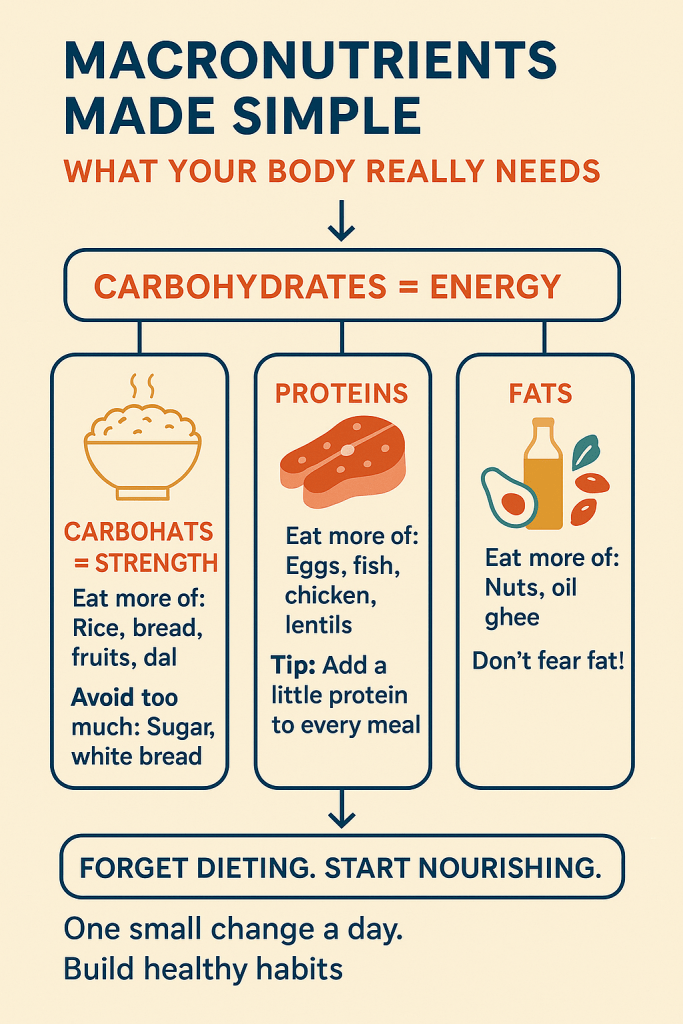
Let’s make it super simple: your body mainly needs three macronutrients — carbohydrates, proteins, and fats — to stay active, strong, and healthy.

Each one plays a unique role, and the key is balance, not elimination.

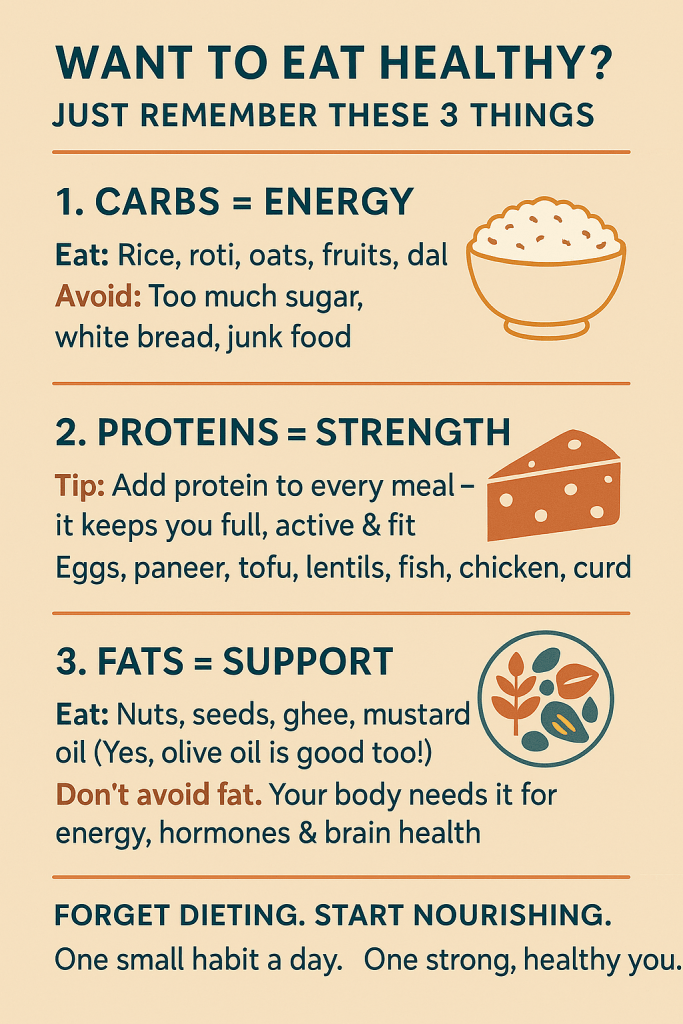
1. Carbohydrates = Energy

Carbohydrates are your body’s main fuel source.

They help you stay energetic, focused, and full of life.

Eat more of:

  • Whole grains (brown rice, oats, whole wheat roti)
  • Fruits and vegetables
  • Lentils, dal

Avoid too much:

  • Sugar, white bread, pastries, processed foods

2. Proteins = Strength

Proteins are the building blocks of your body.

They help build muscles, repair tissues, and keep you feeling full.

Eat more of:

  • Eggs, fish, chicken
  • Paneer, tofu, curd
  • Pulses, sprouts, lentils

Tip: Add a little protein to every meal — it helps avoid overeating and supports energy.

3. Fats = Support

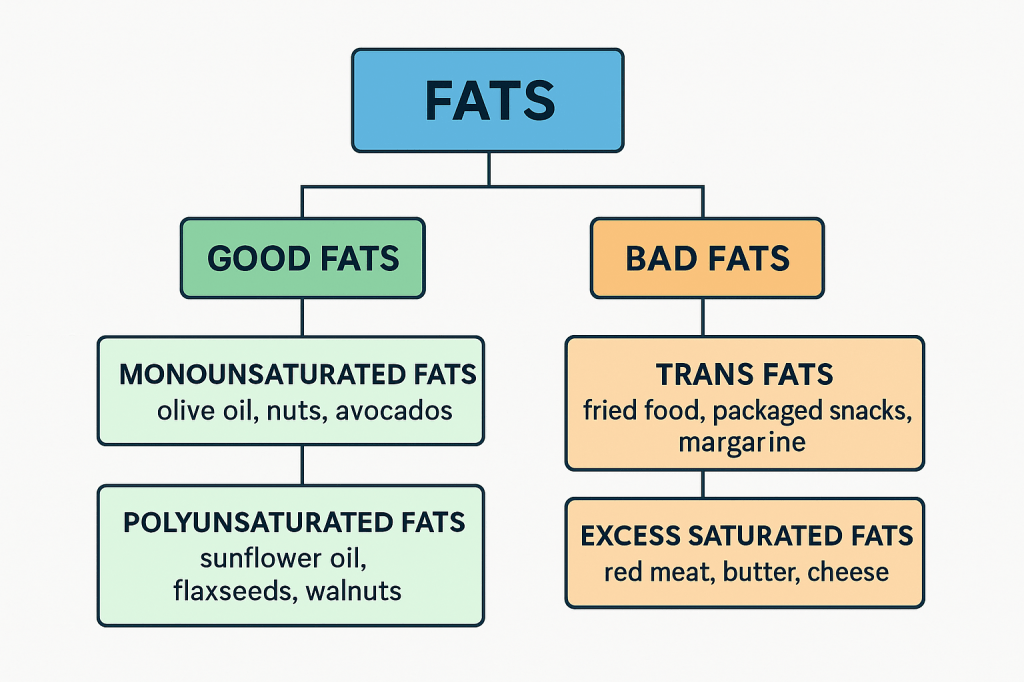
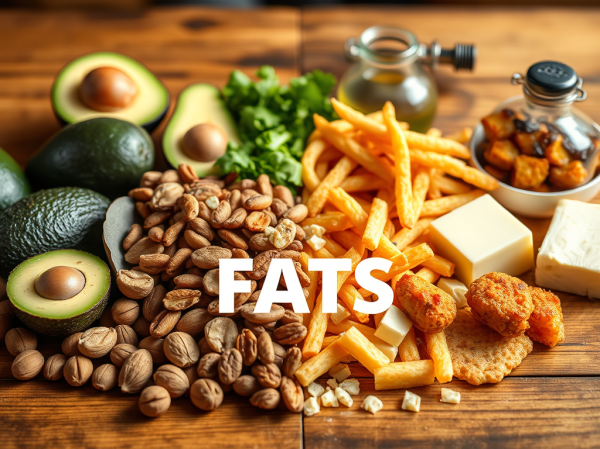
Fats help your body absorb vitamins, protect organs, and keep your brain and hormones healthy.

Eat more of:

  • Nuts, seeds, ghee, mustard oil, olive oil
  • Avocados, coconut (in moderation)

Don’t fear fat! Your body needs good fats to function properly.

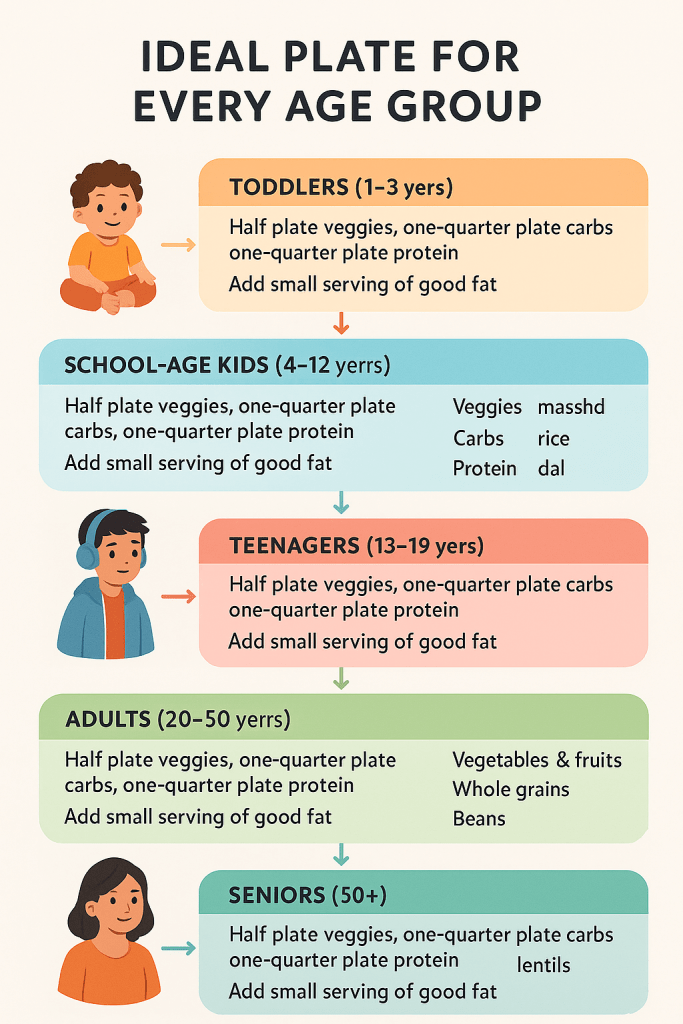
The Balanced Plate Formula (Simple to Remember)

Here’s the easiest way to eat right at every meal:

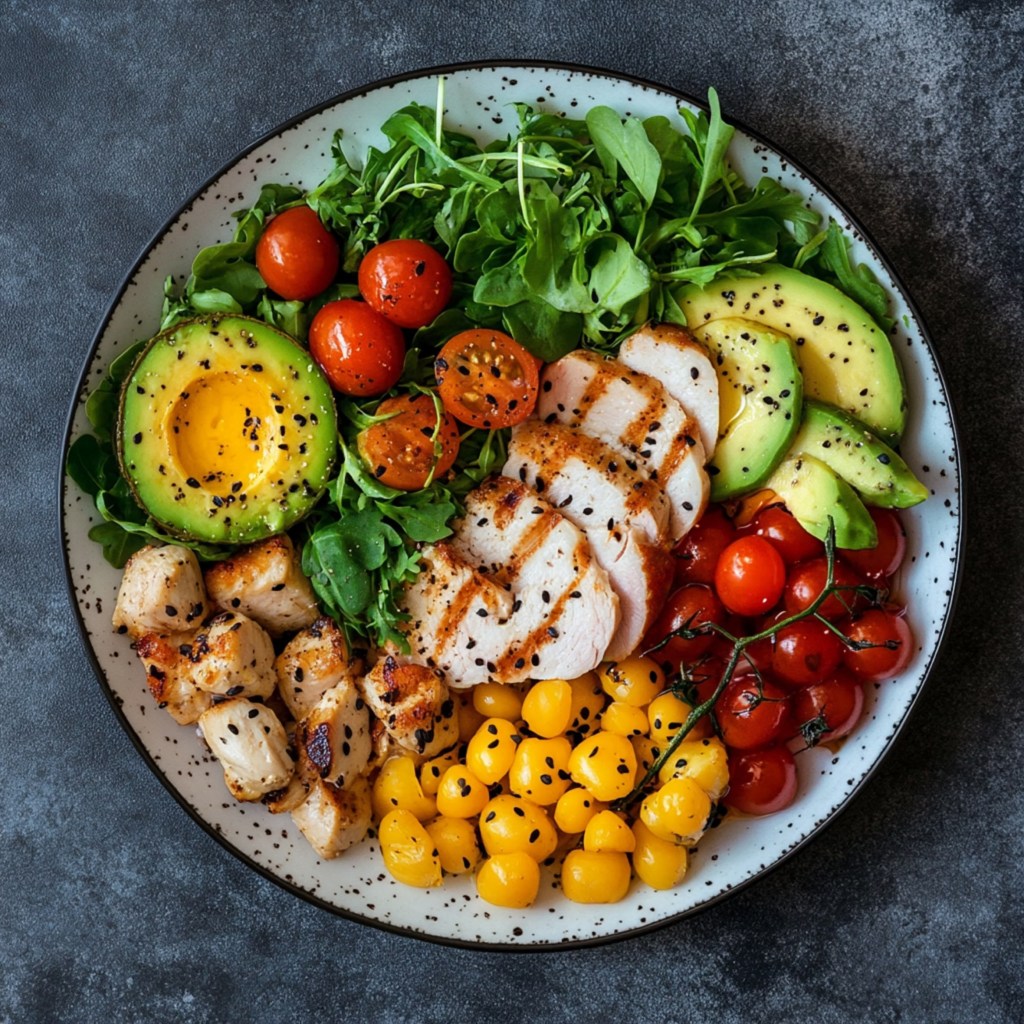
  • ½ of your plate → vegetables (cooked or raw)
  • ¼ of your plate → carbohydrates (like brown rice, roti, dal)
  • ¼ of your plate → proteins (like paneer, fish, egg, lentils)

Add a spoon of healthy fat (ghee, mustard oil, or nuts) — and you’re done!

This one plate method helps you:

  • Control portion size
  • Get all nutrients
  • Feel full and energetic

Forget Dieting. Start Nourishing.

You don’t need a perfect diet — just a balanced one.

Start with one small change a day. Build healthy habits step by step.

Macronutrients are not your enemy — they are your body’s best friends.

Learn them. Respect them. Balance them!

Hi, I’m Sonita — the voice behind Healthy Living Hub. I share simple, science-backed tips to live a healthier, more balanced life — one mindful choice at a time. 
“I believe real health comes from small, consistent habits — not perfection.”
Essential Nutrition Tips for Everyone

Welcome back to Healthy Living Hub!

Most people think healthy eating is only for those who want to lose weight or are already sick. But that’s not true. Good nutrition is something everyone needs — whether you are young or old, busy or relaxed, thin or overweight.

Let’s break it down in simple steps so you understand what your body really needs every day.

1. What is Nutrition?

Nutrition means feeding your body with the right fuel. Just like your car needs petrol, your body needs energy — and that energy comes from food.

There are two types of nutrients:

Macronutrients – Carbohydrates (energy) – Proteins (muscles and repair) – Fats (energy and healthy cells)

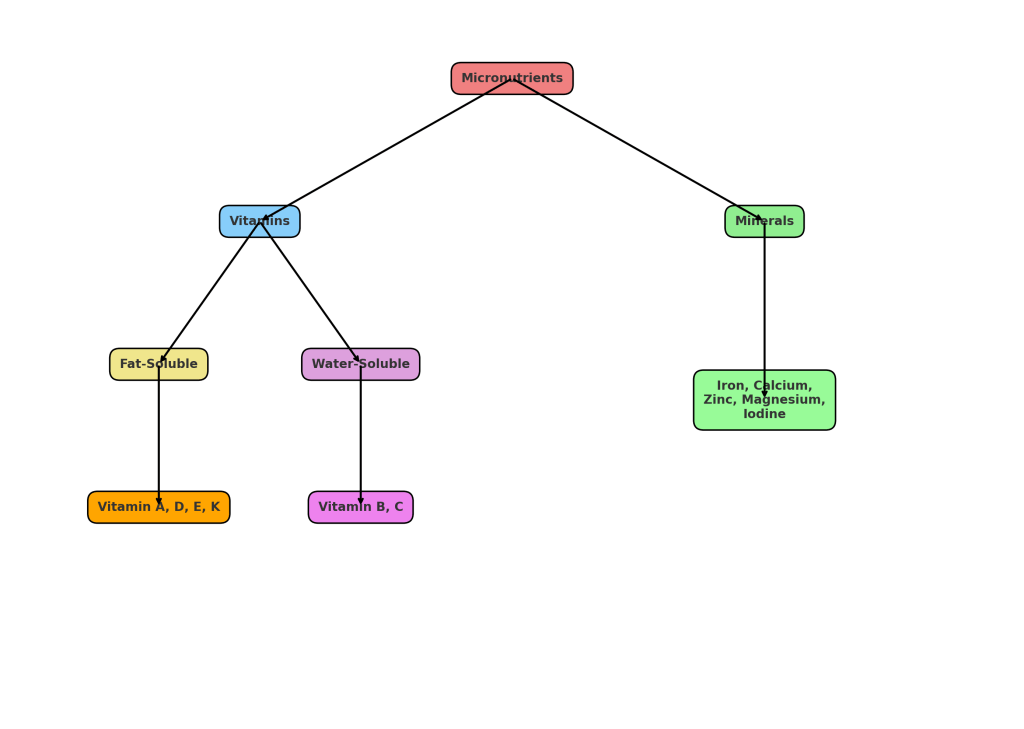
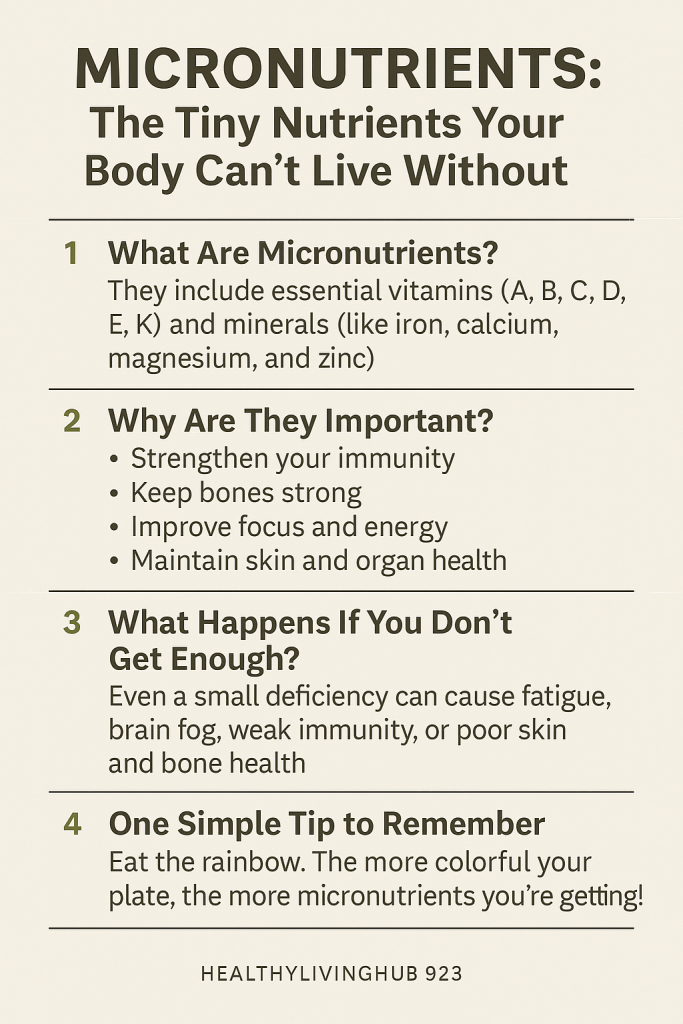
Micronutrients – Vitamins and minerals (strong bones, immunity, etc.) Even though you need these in small amounts, they are very important!

2. Why One Diet Doesn’t Fit All

Everyone’s body is different. Your age, activity, health condition, and even stress levels affect what kind of food you need.

But don’t worry — a few simple rules work for all. Let’s look at those now.

3. A Simple Daily Eating Formula

Here’s an easy way to eat right:

Make your plate colorful — like a rainbow!

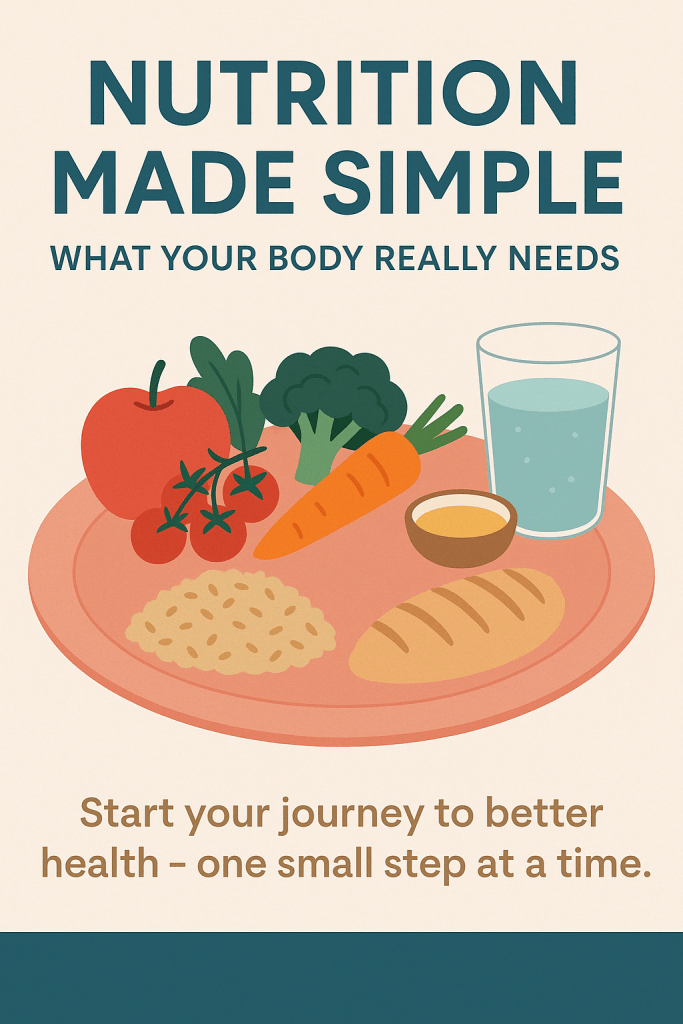
Half plate: fruits and vegetables One-quarter: whole grains (rice, oats, roti) One-quarter: protein (dal, paneer, fish, egg) Add some good fat: like nuts or a spoon of ghee Drink 6–8 glasses of water daily

4. Busting Common Food Myths

Let’s clear up some common food confusions:

Carbs are bad” — No, healthy carbs like fruits and grains are good. “Fat makes you fat” — Only bad fats do. Good fats are important. “Skipping meals helps weight loss” — No! It slows down your metabolism.

5. Take Your First Step Today

You don’t have to change everything overnight.

Just choose one habit and stick to it:

Add a fruit to your breakfast Replace fried snacks with roasted ones Cook one healthy meal a day Drink more water

Small steps = big changes.

P.S. If you found this post helpful, share it with a friend who’s also trying to eat better. Let’s spread simple, smart nutrition — one small step at a time!

Hi, I’m Sonita — the voice behind Healthy Living Hub. I share simple, science-backed tips to live a healthier, more balanced life — one mindful choice at a time. 
“I believe real health comes from small, consistent habits — not perfection.”
Transform Your Health: The Power of Prevention

You might be wondering why I chose to start writing about health and lifestyle. The reason is very personal.

My husband is diabetic. My mother struggled with Arthritis and had knee replacement I was also obese at one point in my life and suffered from Thyroid,Cholesterol and high Blood Pressure, though not anymore. Many of my close friends suffer from arthritis, high cholesterol, and other lifestyle-related problems. I used to work as a networker in the health industry, so I’ve seen these issues up close—both professionally and personally.

The sad part is, many people still don’t realize that prevention is always better than cure. Fast food has become a part of daily life. Restaurant outings, oily food at home, and unhealthy snacking are common in almost every household. Even children are becoming obese. And heart attacks? They’re no longer something that happens only to the elderly.

Stress levels are rising everywhere. From young students to working adults and homemakers—no one is untouched. And stress silently contributes to many health issues without us realizing it.

That’s why I felt the urge to do something.
Even if one person becomes more aware and takes one healthy step after reading this blog, it’s worth it.

This space is for you, me, and everyone who wants to live better—not with fear, but with simple, doable changes.

Coming up next:
In my next post, I’ll share tiny healthy habits that you can start right now—even with a busy schedule.

Note: This blog is written in simple English and can be easily translated into local languages using the translation tool on your browser. I want it to reach everyone.

Hi, I’m Sonita — the voice behind Healthy Living Hub. I share simple, science-backed tips to live a healthier, more balanced life — one mindful choice at a time. 
“I believe real health comes from small, consistent habits — not perfection.”
Overcoming Lifestyle Diseases Easily

Welcome to Healthy Living Hub

We are living in a fast-paced world where health often takes a back seat. As a result, many people are silently suffering from lifestyle diseases like obesity, diabetes, high blood pressure, and stress.

Healthy Living Hub is here to help. This blog is your friendly space to learn simple, practical, and useful tips for a healthy life. No big words. No confusing advice. Just easy, clear, and interesting information that you can follow every day.

Let’s take small steps together toward a better and healthier life.

Stay tuned—your health journey begins here!

Hi, I’m Sonita — the voice behind Healthy Living Hub. I share simple, science-backed tips to live a healthier, more balanced life — one mindful choice at a time. 
“I believe real health comes from small, consistent habits — not perfection.”
Blog at WordPress.com.

Up ↑