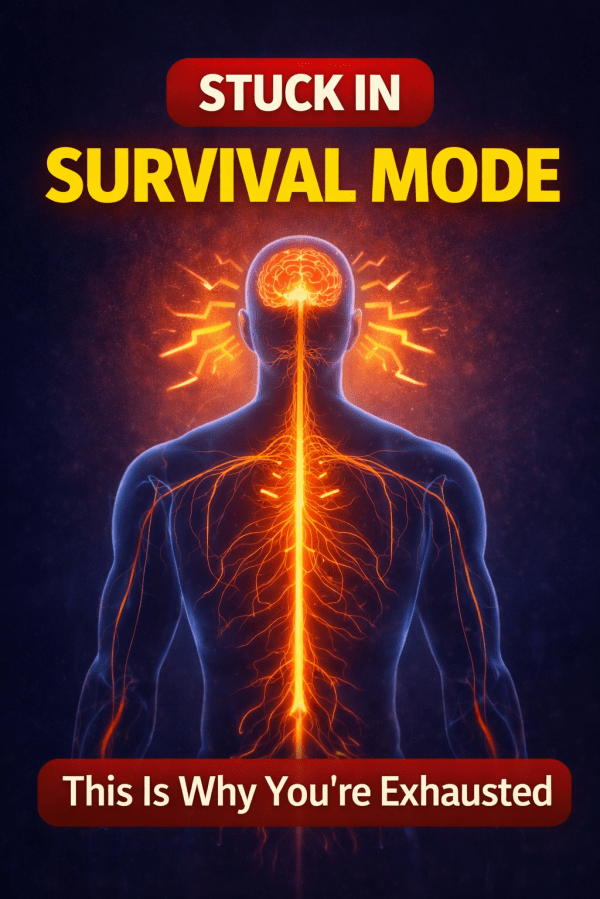
3 Signs Your Stress Hormone Is Destroying Your Energy (And How to Fix It Naturally)

Do you wake up tired even after a full night’s sleep?

Feel low on energy all day for no clear reason?

Struggle with sugar cravings and stubborn belly fat?

These are not random problems.

They are often caused by one powerful hormone in your body — cortisol, also known as your stress hormone.

When cortisol stays high for too long, it silently drains your energy, disrupts your sleep, and slows your body down.

Let’s understand the signs.

⚠️ 

Sign 1: You Wake Up Tired Every Morning

Even after 7–8 hours of sleep, your body feels heavy and unrefreshed.

That’s because high cortisol blocks deep, healing sleep cycles.

Your brain stays in “alert mode” all night instead of repairing your body.

⚠️ 

Sign 2: Belly Fat That Refuses to Go

Cortisol tells your body to store fat, especially around the stomach.

Even with careful eating, stress can make fat cling stubbornly to your waist.

⚠️ 

Sign 3: Constant Sugar and Snack Cravings

High cortisol messes with your blood sugar.

When sugar crashes, your brain demands quick energy — leading to intense cravings and fatigue.

🌿 

How to Calm Your Stress Hormone Naturally

You don’t need medicine to start feeling better.

Small daily habits can calm cortisol gently and safely:

• Drink water before tea or coffee

• Get 5–10 minutes of sunlight in the morning

• Walk after meals

• Slow your breathing when you feel anxious

• Reduce sugar and ultra-processed foods

Over time, your energy returns naturally.

🎥 Watch the Video Version

Here’s the short video where I explain these signs simply:

👉 https://youtube.com/shorts/Wudv5914ids?si=Ygb4nTIFxtdMTCBq

❤️ Final Thought

Your body doesn’t lose energy suddenly.

It sends warning signs first.

Listen to them early — and protect your health for the long run.

Why You Feel Sleepy After Eating (And How to Fix It)

Have you ever finished a meal and suddenly felt heavy, tired, or sleepy — even if it wasn’t a big one?

If yes, you’re not alone. Many people believe this is normal, when actually it’s your body signaling something important.

Today’s video explains the real reasons behind post-meal fatigue — and how simple changes can give you more energy every day.

👉 Watch the YouTube Short:

🍽️ 

Is Feeling Sleepy After Eating Really Normal?

Most people think that grogginess after a meal is just how it is.

But the truth is — you don’t have to feel tired after eating.

Your body should feel nourished and energized, not drained.

Here are the common reasons this happens.

🧩 

Reason 1 — Too Many Refined Carbs, Not Enough Protein

If your meal is mostly rice, roti, or bread with very little protein (like eggs, dal, paneer, or curd), your blood sugar spikes quickly and then crashes just as fast.

This sudden drop makes your body feel tired, weak, and sleepy.

✔️ Tip: Add a good source of protein to every meal — this helps keep your energy stable and prevents that sugar crash.

🧩 

Reason 2 — Slow Digestion

When your stomach acid and digestive enzymes are weak, your body has to work much harder to break food down.

Instead of energy going to your brain and muscles, it goes to digestion — which can leave you feeling drained.

✔️ Tip: Chew your food thoroughly and eat slowly. This helps your digestive system work more efficiently.

🧩 

Reason 3 — Eating Too Fast or Too Much at Once

Overloading your system with a large quantity of food — especially eaten quickly — can overwhelm digestion and steal your energy.

✔️ Tip: Eat in smaller portions and take your time while eating. Your body will thank you!

🌿 

Simple Fixes That Work

Here’s a quick checklist to stop feeling sleepy after meals:

  • ✅ Add protein to every meal
  • ✅ Eat slowly and mindfully
  • ✅ Take a short 5-minute walk after eating

These small habits can make a big difference within just a few days!

🧡 

Final Thought

Feeling tired after eating isn’t something you just have to live with.

It’s your body communicating what it needs — and once you understand the cause, you can fix it.

If this helped you, watch the full Short again and try these tips today!

Stay energized and healthy — you deserve it 😊

📌 

Also Read / Watch

👉 YouTube Short:

Slept Well but Still Feel Weak? Here’s Why It Happens

Have you ever slept for 7–8 hours, yet woken up feeling tired, weak, or drained?

Most of us assume that good sleep automatically means good energy. But the truth is, sleep alone is not always enough. Sometimes, your body wakes up tired because something small—but important—is out of balance.

Let’s look at a few everyday reasons this happens.

💧 1. Mild Dehydration After Sleep

During sleep, your body goes for several hours without water. Even mild dehydration in the morning can cause weakness, headache, or low energy.

Many people start their day with tea or coffee but forget plain water. This simple habit can make mornings feel heavier than they should.

🍽️ 2. Low Morning Fuel

If your dinner was very light or too late at night, your body may run out of energy by morning.

Skipping proper meals or eating irregularly can lead to low blood sugar levels, which often show up as morning weakness, shakiness, or tiredness—even after good sleep.

🚶‍♀️ 3. Poor Circulation Due to Less Movement

When we don’t move enough during the day, circulation slows down. This can reduce oxygen delivery to muscles and make the body feel stiff or weak the next morning.

Simple movement—like stretching, walking, or light activity—can make a big difference.

🌿 Listen to Your Body

Feeling weak doesn’t mean your body is lazy or failing.

Very often, it’s just asking for:

  • Enough water
  • Balanced meals
  • Gentle daily movement

Small adjustments can help you feel lighter, fresher, and more energetic in the morning.

💚 Final Thought

Your body speaks quietly.

When you feel tired without a clear reason, pause and listen.

Sometimes, balance is all it needs.

Why You Wake Up Tired Even After a Full Night’s Sleep (https://youtube.com/shorts/fBHbbF5hkrM?si=Bf4czN9pUVbx96wT

3 Silent Signs Your Blood Pressure Is Going Up (Don’t Ignore These!)

High blood pressure is called a “silent killer” for a reason.

Most people don’t realise their BP is rising until they suddenly feel unwell — or until a doctor checks it.

But the truth is…

your body does give you early warning signs.

They’re just very easy to miss.

Today, let’s talk about 3 silent signs that your blood pressure may be increasing — even if you feel “okay.”

1. Morning Head Pressure

Do you wake up with a heavy head, tightness at the back of your skull, or a dull pain behind your neck?

This often happens when blood pressure rises during the night.

While it doesn’t always mean hypertension, it’s a warning flag your body is trying to show you.

If it happens frequently, take it seriously.

2. Sudden Facial Flushing

Experiencing sudden warmth, redness, or heat in your face — especially during stress, strong emotions, or after salty food — can be linked to temporary blood pressure spikes.

It doesn’t mean your BP is extremely high, but it does show your body is struggling to regulate pressure.

If you notice this often, keep a check on your numbers.

3. Feeling Your Heartbeat in Your Ears

That “thumping” or “whooshing” sound inside your ears (especially when lying down) is a classic early sign many people ignore.

It happens because blood is moving with more force than usual.

This is one of the most commonly overlooked symptoms of rising blood pressure.

If this becomes frequent, don’t delay a BP check.

Why These Signs Matter

These symptoms don’t confirm hypertension —

but they do tell you that your body is under pressure.

High blood pressure builds slowly.

Catching it early can protect your:

  • Heart
  • Kidneys
  • Eyes
  • Blood vessels

Taking small steps today can prevent big problems tomorrow.

Simple Things You Can Do Today

Here are small habits that help keep your BP stable:

  • Reduce extra salt
  • Drink enough water
  • Manage stress
  • Get 20–30 minutes of movement daily
  • Sleep well
  • Check your BP regularly at home

These little changes add up — and your body will thank you.

Final Thoughts

Your health always speaks to you… just in very soft whispers.

These early signs are your body’s way of saying:

“Take care of me before it becomes serious.”

So listen to the signals.

Make small lifestyle changes.

And keep monitoring your BP regularly. ❤️

Stay healthy, stay aware — and remember, you are in control of your wellbeing.

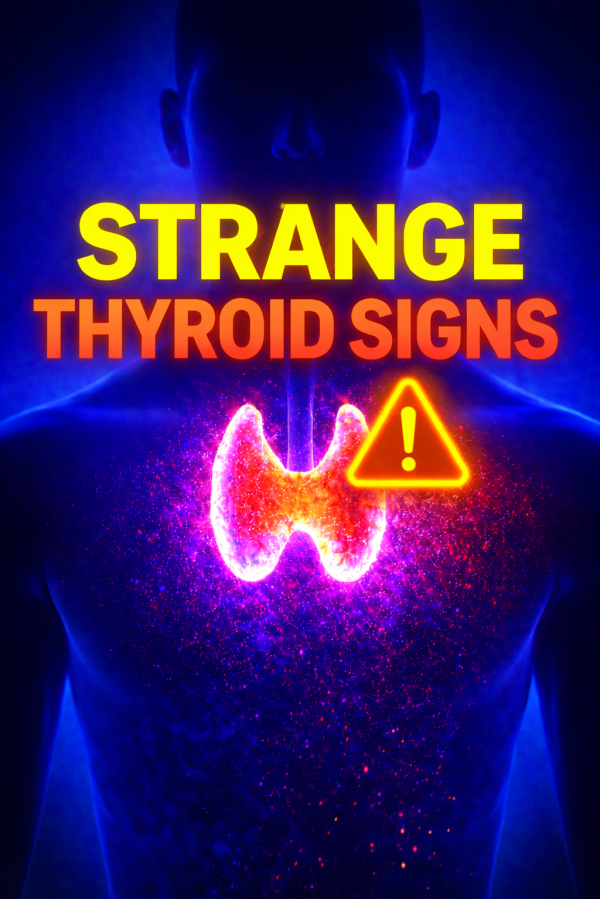
3 Strange Thyroid Signs You Should Never Ignore

Most people think thyroid problems show up only through weight gain or tiredness.

But your body sends much earlier, much stranger signals — and these small signs are often ignored.

If you’ve been feeling “off” lately without any clear reason, your thyroid may be trying to tell you something.

Here are 3 unusual thyroid signs you should not overlook:

1️⃣ Thinning of the Outer Eyebrows

Look closely at the outer third of your eyebrows.

If it’s getting thinner, patchy, or lighter — it can be one of the earliest signs of an underactive thyroid.

Why it happens:

A slow thyroid reduces the hormones responsible for hair growth. Eyebrow hair is very sensitive to this change, so it shows up here first.

👉 If you see this change and it wasn’t there before, don’t ignore it.

2️⃣ Your Voice Sounds Deeper or Hoarse

Do you feel like your voice is slightly deeper than usual?

Or do you wake up sounding hoarse, even when you’re not sick?

A sluggish thyroid can cause mild swelling around the vocal cords, which changes how your voice sounds.

This symptom is subtle… but very common in thyroid imbalance.

👉 If your voice feels different for no clear reason, it may be a thyroid signal.

3️⃣ Dry, Rough, or Flaky Skin That Won’t Improve

Using moisturizer but your skin still feels:

• dry

• rough

• flaky

• dull

This is another early sign of low thyroid activity.

Why it happens:

When the thyroid slows down, your skin’s natural oil production drops.

This causes dryness even if you drink enough water or use creams regularly.

👉 Persistent dryness — especially on arms, hands, or legs — should never be ignored.

Why These Signs Matter

Your thyroid controls your:

✔️ metabolism

✔️ body temperature

✔️ energy levels

✔️ skin and hair health

✔️ mood and hormones

So even small changes can affect how you feel every day.

The good news?

Thyroid issues are easy to detect with a simple blood test — and treatable when caught early.

What You Should Do Next

If you noticed even one of these signs for more than a few weeks:

✔️ Get your thyroid levels checked (TSH, T3, T4).

✔️ Track any changes in your skin, hair, or voice.

✔️ Discuss symptoms with a doctor if they persist.

Your body whispers before it screams.

Listening early can prevent bigger issues later.

If you found this helpful, you can watch the full video here:

🎥 YouTube Short: 3 Strange Thyroid Signs You Should Never Ignore

(Link to your short)

And explore more health tips on my blog:

🌿 HealthyLivingHub923.blog

What Happens to Your Body When You Eat Late at Night

Most of us have done it — finishing dinner late because of work, snacking at midnight, or eating while watching something on the laptop.

It feels harmless… but your body reacts very differently at night.

Eating late regularly can affect your digestion, sleep, hormones, and even weight.

Here’s what actually happens inside your body when you eat late at night — and how to fix it with simple habits.

🍕 

1. Digestion Slows Down at Night

Your digestive system works best during the day.

After sunset, your metabolism naturally slows as your body prepares for rest.

When you eat late at night:

  • Food stays in your stomach longer
  • Digestion becomes sluggish
  • You may feel bloated or heavy
  • Acid reflux becomes more likely
  • You wake up feeling full or uncomfortable

This is why late-night meals often leave you feeling uneasy or restless.

😴 

2. It Disturbs Your Sleep Cycle

When you sleep, your body wants to repair and reset.

But if your stomach is busy digesting food, your brain stays more alert.

Late-night eating can cause:

  • Trouble falling asleep
  • Light, poor-quality sleep
  • Waking up in the middle of the night
  • Feeling tired the next morning

Your sleep hormone melatonin drops when you eat late — making your sleep less refreshing.

⚖️ 

3. It Can Lead to Weight Gain Over Time

This doesn’t happen because of “calories at night.”

It happens because:

  • Digestion is slow
  • Insulin sensitivity is lower
  • Your body stores more fat at night
  • You are less active after eating

Even a small late meal can cause fat storage if it becomes a daily habit.

🤦‍♂️ 

4. You May Feel More Bloated in the Morning

If you wake up with:

✔ a heavy stomach

✔ gas or bloating

✔ a feeling of fullness

✔ low appetite in the morning

Late-night eating is often the reason.

Food that isn’t digested well at night ferments in the gut, causing discomfort the next day.

🚫 

5. Wearing Tight Clothes After Eating Makes It Worse

Many people relax in tight jeans or sit for hours after dinner — this puts extra pressure on your stomach and slows digestion even more.

It can increase:

  • Indigestion
  • Acid reflux
  • Bloating
  • Discomfort

Loose clothes + movement = much better digestion.

🌿 

So What’s the Solution? Try This Simple Habit

You don’t need to make big changes.

Just follow this small rule:

⭐ 

Have your last meal 2–3 hours before sleep.

And after eating:

🟢 

Take a gentle 10–15 minute walk.

This helps food move smoothly through the digestive system and improves sleep quality naturally.

Even if you can’t walk outside, a slow indoor walk also works.

🌙 

Small Change, Big Results

Late-night eating once in a while is okay.

But if it becomes a routine, it affects your health more than you realise.

Start small:

  • Eat a little earlier
  • Avoid heavy meals at night
  • Walk for a few minutes after dinner
  • Keep your sleep routine consistent

Your digestion and energy levels will improve within days.

📌 

Read More at Healthy Living Hub

For more simple, science-backed health tips, explore the blog anytime.

Sleepy After Meals? Your Body May Be Giving an Early Warning

🟢 INTRODUCTION

Do you often feel sleepy, heavy, or low on energy after eating?

Many people assume it’s normal — especially after lunch.

But in reality, this feeling is often your body’s early warning sign that something isn’t right.

Ignoring these signals regularly can slowly lead to blood sugar imbalance and long-term health issues.

🟢 WHY THIS HAPPENS

When a meal is mostly made up of refined carbohydrates — like white rice, roti, bread, or sugary foods — blood sugar rises very fast.

To control this spike, your body releases a large amount of insulin.

This sudden rise and fall in blood sugar leads to fatigue, heaviness, and sleepiness.

🟢 3 SIGNS YOU SHOULD NOT IGNORE

1️⃣ Feeling Heavy or Sleepy After Meals

If you feel like lying down after eating, it’s often due to a sudden blood sugar spike.

2️⃣ Heavy Eyes or Dull Head

Rubbing your eyes or feeling mentally slow after meals is a sign of an energy crash.

3️⃣ Craving Tea or Something Sweet

Wanting tea, coffee, or sweets soon after eating happens when blood sugar drops suddenly.

🟢 WHY LISTENING EARLY MATTERS

These signs may look small, but when ignored daily, they can slowly lead to:

  • Insulin resistance
  • Blood sugar problems
  • Low energy throughout the day

Your body always warns you before serious problems begin.

🟢 CONCLUSION

Feeling sleepy after meals is not a habit — it’s a signal.

Listening to these early signs can help you stay healthier in the long run.

Small awareness today can prevent bigger health struggles tomorrow.

Watch this👇

3 Silent Signs Your Nerves Are Getting Damaged (Don’t Ignore These!)

Introduction

Nerve damage doesn’t usually announce itself loudly.

It often starts with small, easily ignored symptoms — until the damage becomes difficult to reverse.

Your nerves control sensation, movement, and coordination. When they begin to weaken, your body quietly sends warning signals. Recognising these early signs can help prevent long-term complications.

Here are three silent signs of nerve damage you should never ignore.

1️⃣ Tingling or Numbness in Hands and Feet

A frequent pins-and-needles sensation, numbness, or reduced feeling — especially in the hands or feet — is often one of the earliest signs of nerve damage.

This can be linked to diabetes, vitamin B12 deficiency, or poor blood circulation. Many people ignore it, assuming it’s temporary, but persistent tingling deserves attention.

2️⃣ Burning Pain or Electric-Shock Sensations

Nerve irritation can cause sharp, burning pain or sudden electric-shock-like sensations, even without injury.

These sensations may appear at night or while resting and are a common sign of nerve inflammation or compression.

3️⃣ Weakness or Loss of Balance

If you feel unusually weak, clumsy, or notice difficulty with balance or coordination, damaged nerves may be affecting muscle control.

This can increase the risk of falls and injuries, especially in older adults.

Why Nerve Damage Happens

Some common causes include:

  • Diabetes and insulin resistance
  • Vitamin B12 deficiency
  • Poor blood circulation
  • Prolonged sitting or repetitive strain
  • Long-term stress on nerves

Final Thoughts

Nerve damage can worsen silently over time.

The earlier you recognise the signs, the better your chances of slowing or preventing further damage.

If you notice these symptoms regularly, don’t ignore them — listen to what your body is telling you.

3 Hidden Signs of Poor Blood Circulation You Shouldn’t Ignore

Do your hands or feet feel cold even when the weather isn’t?

Many people brush this off as normal. But sometimes, this is your body quietly asking for help.

Poor blood circulation rarely causes pain in the beginning. Instead, it shows up through small, easy-to-miss signs. Recognizing them early can help prevent bigger health problems later.

Let’s look at three hidden signs of poor blood circulation you shouldn’t ignore.

1️⃣ Cold Hands or Feet in Normal Weather

You’re sitting comfortably at home, yet your hands or feet feel unusually cold.

This often happens when blood is not reaching your extremities efficiently.

Healthy blood flow helps regulate body temperature. When circulation slows down, the hands and feet are usually the first to feel it.

2️⃣ Tingling, Numbness, or Pins-and-Needles Sensation

Do you sometimes feel tingling or numbness in your hands or feet?

This can occur when nerves don’t receive enough oxygen and nutrients from proper blood flow. Over time, poor circulation may affect nerve health, leading to these uncomfortable sensations.

3️⃣ Small Cuts Taking Longer to Heal

Another silent sign is slow healing.

If small cuts or wounds take longer than usual to heal, it may be because poor circulation is slowing your body’s natural repair system. Blood plays a key role in delivering healing nutrients to injured areas.

A Gentle Reminder

These signs don’t shout.

They whisper.

But if ignored, poor blood circulation can slowly damage nerves and vital organs. Paying attention early gives your body the care it deserves.

Is Your Blood Sugar Rising Silently? 5 Early Signs You Should Never Ignore

Most people think blood sugar rises only when we eat too much sugar.

But the truth is — your body gives early warnings long before diabetes develops.

If you catch these signs on time, you can reverse the damage easily.

Here are 5 silent early signs that your blood sugar is slowly rising.

1. You Feel Hungry Right After a Meal

If you feel hungry even after eating properly, it means:

  • Your cells are not getting energy
  • Glucose is staying in the blood
  • The pancreas is struggling to release enough insulin

This is one of the earliest signs of insulin resistance.

2. You Feel Sleepy or Tired After Eating

If you feel like lying down or taking a nap after lunch/dinner, it’s not normal.

This happens when:

  • Blood sugar spikes quickly
  • The pancreas releases too much insulin
  • Your energy crashes suddenly

This “energy crash” is a major early warning.

3. You Are Always Thirsty, Even in Winter

This is because excess sugar pulls water out of your tissues.

You may notice:

  • Dry mouth
  • Feeling thirsty at night
  • Frequent water breaks

If you are thirsty without any reason, check your sugar.

4. You Are Gaining Weight Around Your Belly

High blood sugar forces the body to store more fat—especially around the stomach.

Belly fat is not just fat;

it is a sign of insulin resistance.

Even slim people can have high blood sugar if they have belly fat.

5. You Are Waking Up at Night to Pee

When sugar rises:

  • The kidneys work extra to flush it
  • You feel the urge to urinate at night
  • Sleep becomes disturbed

If this happens frequently, don’t ignore it.

Why Does Blood Sugar Rise Silently?

Because the pancreas tries to “save you” quietly by releasing more and more insulin.

By the time symptoms appear, insulin is already struggling.

That’s why early detection is extremely important.

How to Control Blood Sugar Naturally (Simple Tips)

✔ Eat more fiber (dal, vegetables, fruits with skin)

Slows down sugar spikes.

✔ Add protein to every meal

Helps keep sugar stable (eggs, paneer, curd, chana, nuts).

✔ Walk 10 minutes after every meal

This alone can reduce sugar spikes by 30–40%.

✔ Reduce white carbs

White bread, maida, sweets, sugary drinks.

✔ Sleep 7 hours

Poor sleep increases insulin resistance immediately.

Final Message

Blood sugar does not rise in one day.

Your body gives warnings — we just have to listen.

If you notice these signs, take small steps today.

They can protect you from prediabetes and diabetes tomorrow.

Watch here👇

Blog at WordPress.com.

Up ↑